
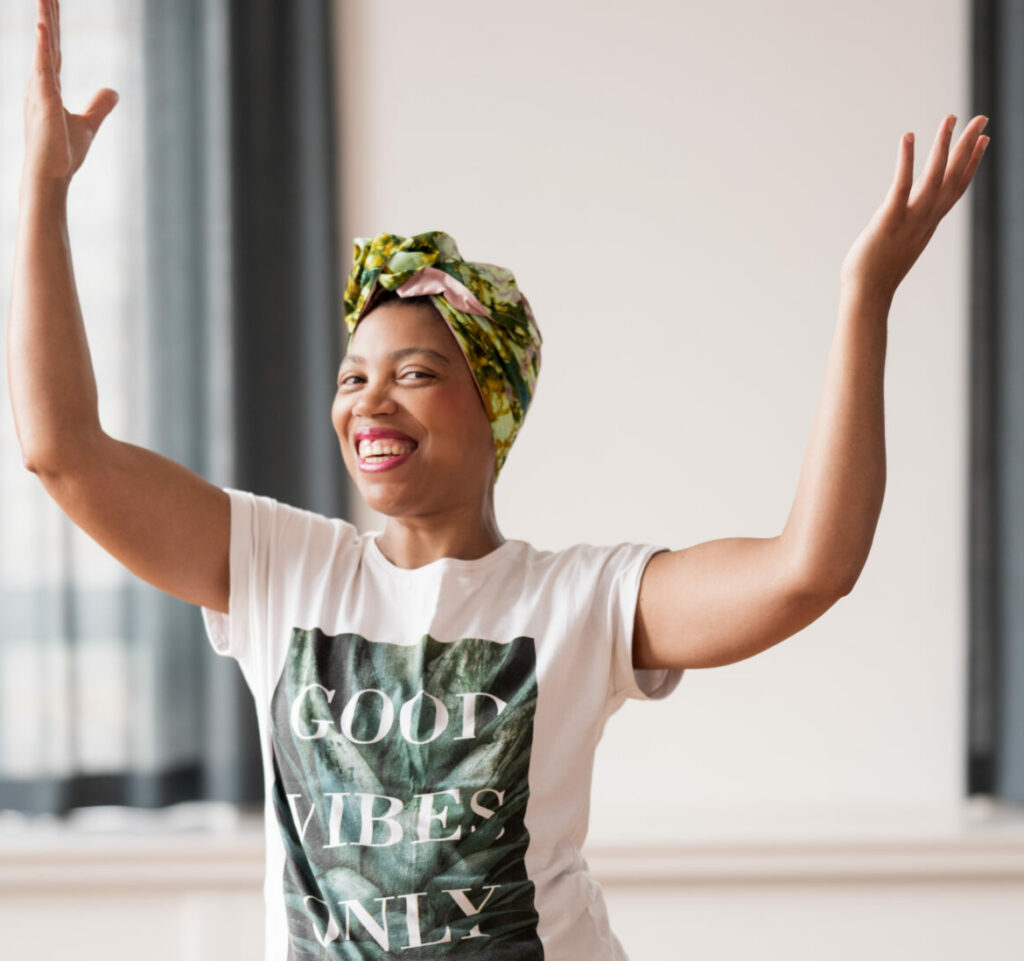
For Juliette Berguet, 48, finishing cancer treatment did not mean returning to normal. The entrepreneur and founder of Baob Brussels is now organising the third Bounce Back Festival in Brussels, dedicated to the challenges that can follow cancer and long-term illness.
When Berguet was diagnosed with breast cancer in 2019, she was 41 and had recently become a mother. Her daughter was just 15 months old. The diagnosis came after a period of upheaval: she had returned from maternity leave, lost her job and decided to become self-employed.
Treatment lasted around two years, including breast reconstruction. But when the medical journey ended, another set of difficulties was waiting for her.
“I was lucky to be taken care of directly. They saved my life, but they left me in a survival situation,” she tells The Brussels Times.
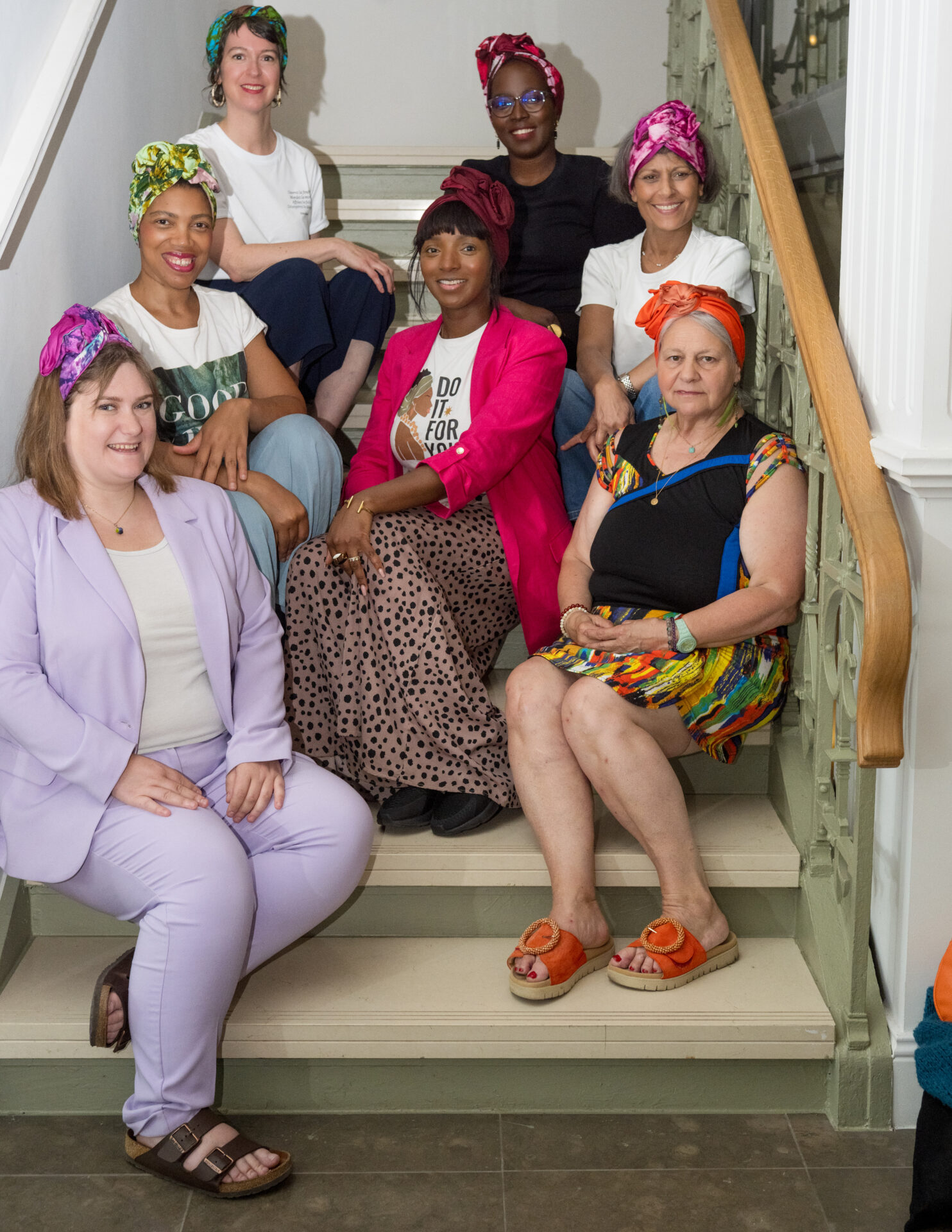
The Bounce Back Festival will take place on 2 and 3 October. Credit: Bounce Back Festival
Berguet was running an eco-responsible shop selling homeware and organising creative workshops and markets. Then came the Covid-19 pandemic. Considered a "non-essential shop", it had to close, while Berguet was also more vulnerable because of her recent cancer treatment.
She tried to keep the business going, but the combination of illness, the pandemic and financial difficulties eventually took its toll. “It took me some time before I agreed to close this project,” she says. “And I had a burnout and a depression.”
For Berguet, the experience exposed a gap in the support available to people after serious illness, particularly self-employed people, women and new mothers. She found that much of the existing support focused on the disease itself, while practical questions about work, family life, finances and identity were harder to address.
“I realised that, at the level of long-term illness, and also at the level of women, young women, mothers and independents, there was nothing,” she says.
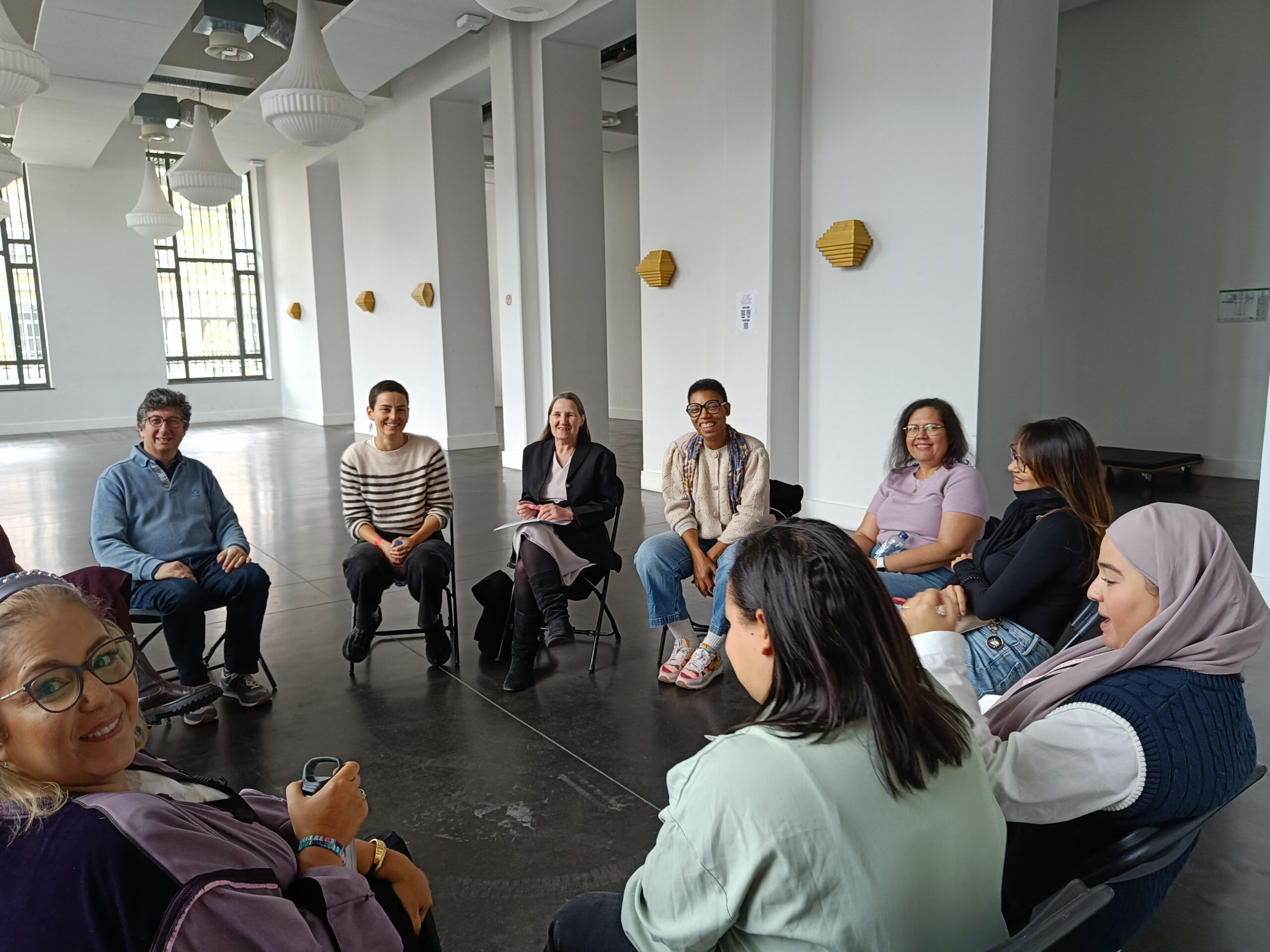
Credit: Bounce Back Festival
When treatment ends, the “after” begins
That experience eventually led her to create Baob Brussels, a non-profit organisation supporting people affected by cancer and long-term illness. Its work includes individual support and mentoring, speaking spaces, therapeutic projects and initiatives around returning to work.
The Bounce Back Festival grew from the same observation. Its third edition will take place on 2 and 3 October at Talents Switch on Avenue Louise, bringing together patients, former patients, relatives, healthcare professionals, associations, companies and experts.
The first day, on 2 October, will focus on professionals, with discussions and workshops around supporting people affected by cancer or long-term illness in their return to personal and professional life. The public day on 3 October will offer conferences, workshops and information on subjects ranging from physical and mental recovery to nutrition, self-confidence, employment and available support.
For Berguet, the central issue is that recovery cannot be reduced to the end of medical treatment. “Each person is unique in living the disease,” she says. “The doctor prescribes you a treatment, they prescribe you a diagnosis, but you are unique in living the disease.”
Her own experience illustrates the point. After treatment, she underwent five years of hormone therapy and developed osteoporosis at a relatively young age. Managing the consequences of treatment required changes to her lifestyle, including physical activity and nutrition. “These are all things that the person will take more time,” she explains.
Rebuilding more than a career
Returning to work is another major focus of Baob's work. Berguet argues that people returning after a serious illness cannot always be expected to resume their previous lives at the same pace. “There is the shock of the disease, there is the physical shock, there is the emotional shock, there is the financial shock,” she says. “And it takes time.”
That time varies from one person to another. Some may need months, others several years. Berguet wants companies to better understand what happens outside the workplace as well, particularly when an employee or a close family member becomes seriously ill.
For Berguet, the idea of “bouncing back” therefore extends beyond simply returning to the way things were before. It can also mean reassessing what matters and deciding what comes next.
“Out of all the people I've met so far, there's no one who's gone back and improved in what they were doing before getting sick,” she says. “There's this question: what did I go through? What do I want to do? And above all, what drives me, what makes me vibrate?”
That process is at the heart of the festival she has created: not simply surviving an illness, but finding the resources, support and space needed to rebuild afterwards.
