
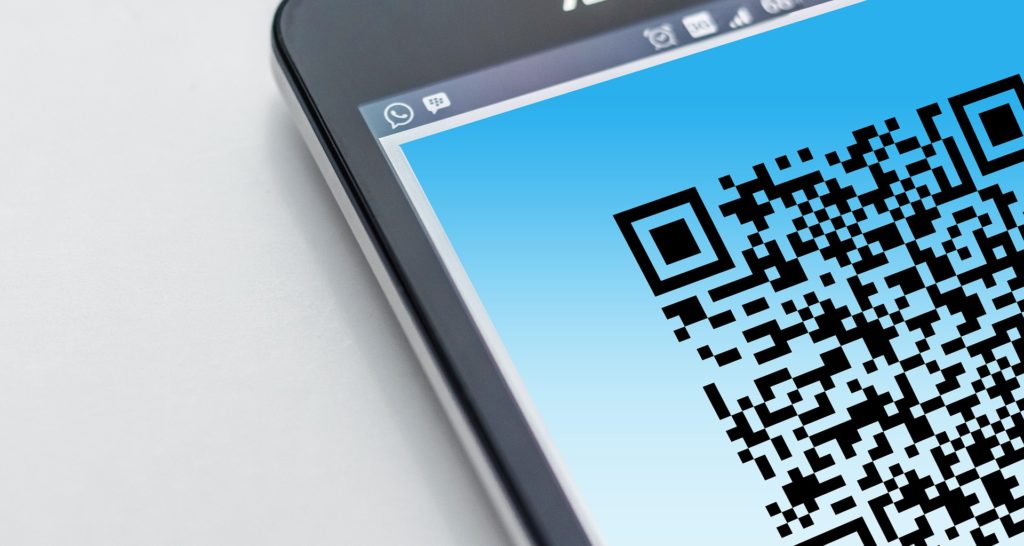
Making an appointment at the bank or with the doctor, buying a train ticket or ordering a drink: it’s almost impossible to do any of these things without digital access or scanning a QR code – a development that is excluding a great many people.
The support of Unia and the Support Centre for Combating Poverty, three international organisations are lodging a complaint against Belgium on this issue, report De Standaard and Le Soir on Monday.
The three organisations filing the complaint are Age Platform Europe, the European Disability Forum and the International Federation for Human Rights. The complaint was lodged with the European Committee of Social Rights. This Committee monitors compliance with the European Social Charter, to which Belgium is a signatory.
More than 300 testimonies were gathered from 50 civil society organisations on both sides of the language border, as well as in Brussels. A potential ruling would not be binding, but it would increase the pressure on our country via the Council of Europe. It would also set a precedent for other EU countries.
“Services often do offer telephone contact or in-person counters as an option, but you first have to make a digital appointment,” said Else Tambuyzer of the Flemish Patients’ Platform.
It also appears to be difficult for many people to access their medical records. Yet this has been a right since 2002.
'Protecting purchasing power'
Responding to the complaint, Federal Minister for Consumer Protection Rob Beenders (Vooruit) said that the Federal Government is extending the universal banking service until 2031, giving people access to a basic package of banking services at a low cost. He is also working to improve access to cash.
The universal banking service was agreed five years ago between the banking sector and the Federal Government. Before the summer, the government decided to extend the scheme for five years.
It comprises a basic package to which people are entitled at a maximum price of €62.5 per year. It includes a debit card, 60 manual transactions per year, 24 cash withdrawals from an ATM per year, free direct debits and the provision of account statements.
“We are ensuring that banks offer a basic package of services at a fixed price. That decision will certainly be extended for five years. In this way, we are protecting purchasing power and ensuring that everyone has access to a bank at a fixed rate, and that people who do not wish to bank digitally have an alternative – an option that is by no means insignificant in times of phishing,” said Beenders.
Additionally, he has drawn up an action plan to ensure that cash remains accessible. A law will be introduced obliging banks to provide sufficient cash machines, and it will also be possible to withdraw cash in shops.C
Cash machines must function more reliably and be easily accessible to people with disabilities or the elderly. The government will monitor compliance with the rules.
