
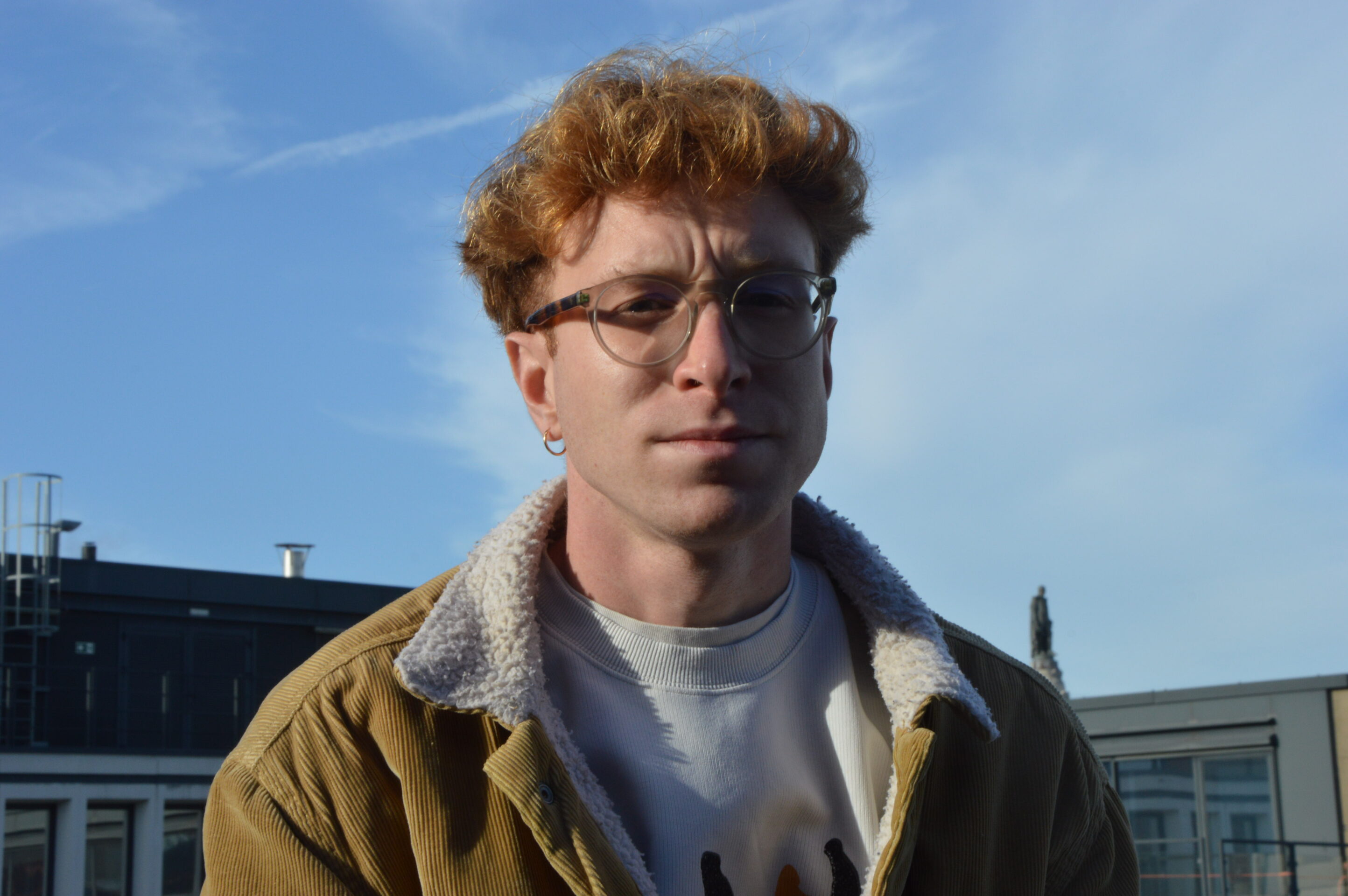
At 25, Brussels resident Maël Gerday speaks openly about living with HIV, confronting stigma, rejection and the fears that persist despite advances in treatment.
On a solemn 1 July 2024, Maël, then 22 years old, was diagnosed as HIV-positive. Three weeks before, he had started feeling seriously unwell, he tells The Brussels Times. Sweating, red patches on his face, and awful stools. He first thought it was the flu, but “something was not right,” he says.
“I went to see my GP and asked him if he could do some blood tests, including STDs; I don’t know; I just had this feeling.” His GP eventually ran some blood tests that day.
A week later, the phone rang: “Maël, I’ve booked you an appointment with your infectious diseases specialist this evening, at 18:00. So you need to go,” his GP told him.
At this point, Maël already suspected the worst.
That day, Maël had planned a date with the researcher, who happened to be a Frenchman interning in a Brussels hospital. However, as the doctor was rather late with test result was late, Maël’s date waited for him.
When the STD specialist announced the news, he was "sad, angry and frightened,” Maël says. “I was afraid of rejection, afraid people would judge me.” But the doctor reassured him that “these were not the old times when HIV treatment was unavailable." He added that now, with medication, it is controllable.
Afterwards, Maël still met his date, who had kindly waited for him. By coincidence, the man turned out to be an HIV researcher. Maël told him about the positive test result he had just received, and the conversation that followed eased the weight of the news.
The encounter offered an additional source of reassurance through the evening, at a moment when Maël was overwhelmed by an avalanche of different emotions.

Maël Gerday, 25, pictured in Brussels beside a poster for La Nuit Positive, an event raising awareness about HIV. Credit: The Brussels Times/ Anas El Baye.
Doubting the status
To this day, one of those emotions is doubt.
The most recent figures by the National Public Health Institute of Belgium, Sciensano, reveal that 662 people were newly diagnosed with HIV in 2024, equivalent to almost two diagnoses every day. An estimated 19,183 people are living with the virus, including more than 1,200 who were unaware of their status.
Brussels recorded 201 new diagnoses, with a rate of 16 per 100,000 inhabitants, almost three times the national average. Yet medical advances have considerably transformed the outlook for those living with HIV: 98% of people receiving antiretroviral treatment in Belgium had achieved viral suppression (a low viral load in the blood that prevents people from transmitting the virus) by the end of 2024.
Two years later, Maël still doubts if he is positive. “Yes, I took the test, but couldn’t there be a way to re-check if that is really true?” “Could it have been a laboratory error?” “What if I stopped taking my meds just to see whether I really have it?” “But at the same time, I do not want to put myself or anyone else at risk.”
Clinical nurse Zoë Kipouros works closely with HIV positive patients at Hôpital Universitaire de Bruxelles (HUB) Erasme. She tells The Brussels Times that such doubts occurred a few times during her practice. “It is a form of denial,” she says.
Mathieu Rouxhet, who coordinates group talks for people living with HIV at Ex Aequo, a Brussels non-profit, says that persistent doubts about a diagnosis during group talks had not arisen in the groups he had organised this year, although he had encountered someone who tried to ignore their HIV status altogether, even to the point of not taking treatment.
“It’s not frequent, but it happens,” Rouxhet says.
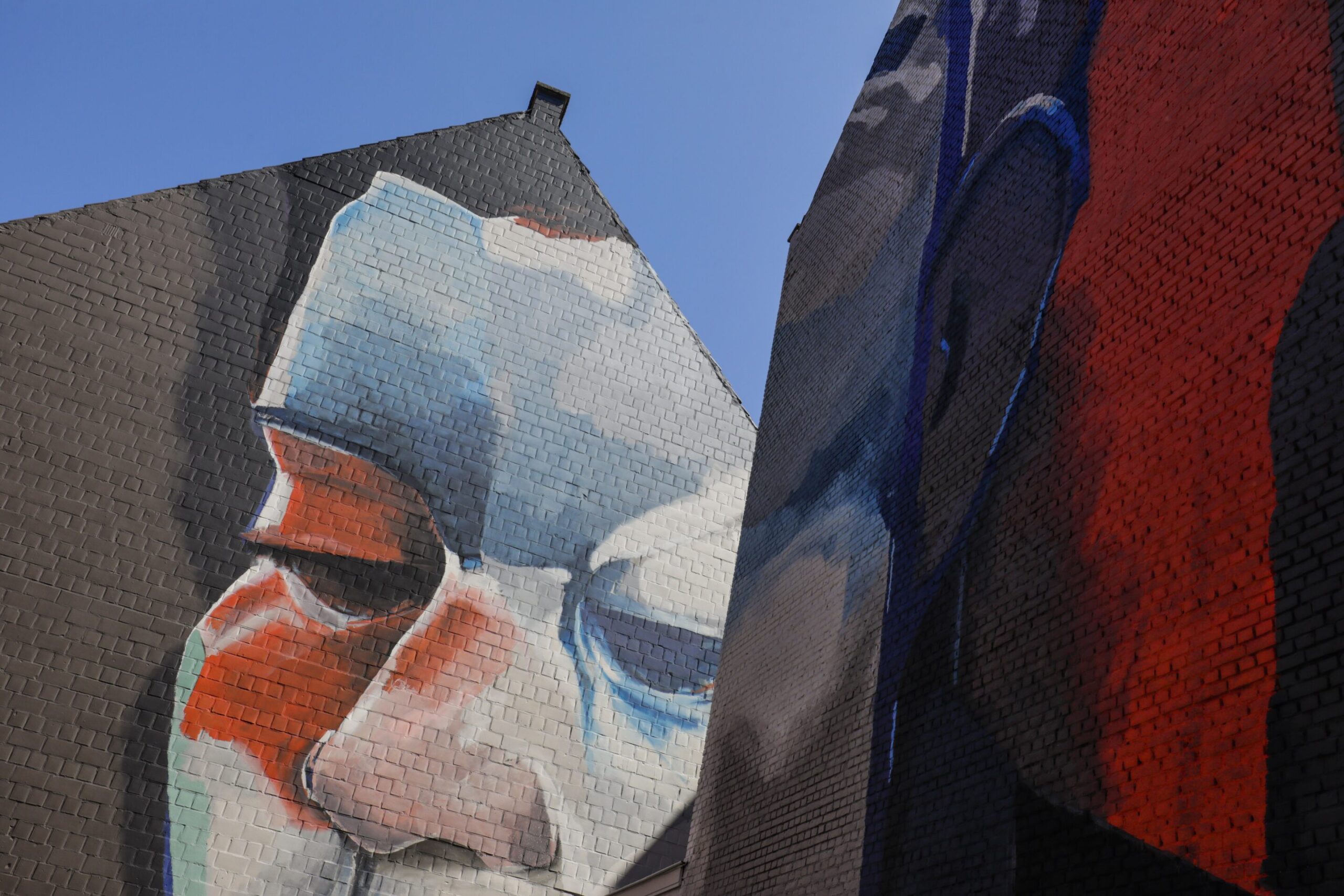
A mural by artist Larsen Bervoets raising awareness of HIV and AIDS, created for sexual health organisation Sensoa in Antwerp, Belgium, 21 May 2018. Credit: Belga/Thierry Roge.
Who is to blame?
Maël does not know who transmitted HIV to him. He knows who he had intercourse with: two men whom he contacted, and neither reported having the virus. He wore a condom with one, and the other told him that he was on PrEP (pre-exposure prophylaxis: medecine taken by HIV-negative people to lower the risk of getting HIV from sex or injection drug use).
And in any case, he says, he has little interest in harping on who is to blame. “Should I resent that person? No, I shouldn’t,” he says. “What would it achieve? It wouldn’t change anything, and I prefer to think about my future.”
In Belgium, there is a legal grey zone when it comes to disclosing one’s HIV status to sexual partners. While there is no HIV-specific criminal offence, general criminal law has historically been used to prosecute cases involving alleged HIV transmission or exposure.
In June 2011, the Huy Criminal Court convicted an HIV-positive man following the infection of a woman, sentencing him to three years in prison, two of which were suspended. The court relied on Article 402 of the former Belgian Criminal Code, which criminalises the intentional administration, without intent to kill, of substances capable of causing death or seriously damaging health.
The ruling set a legal precedent for HIV-related prosecutions in Belgium.
Charlotte Pezeril, director of the Observatory of AIDS and Sexualities, explained to Le Vif back in 2021 that earlier attempts to prosecute such cases as poisoning had failed because that offence required proof of an intention to kill.
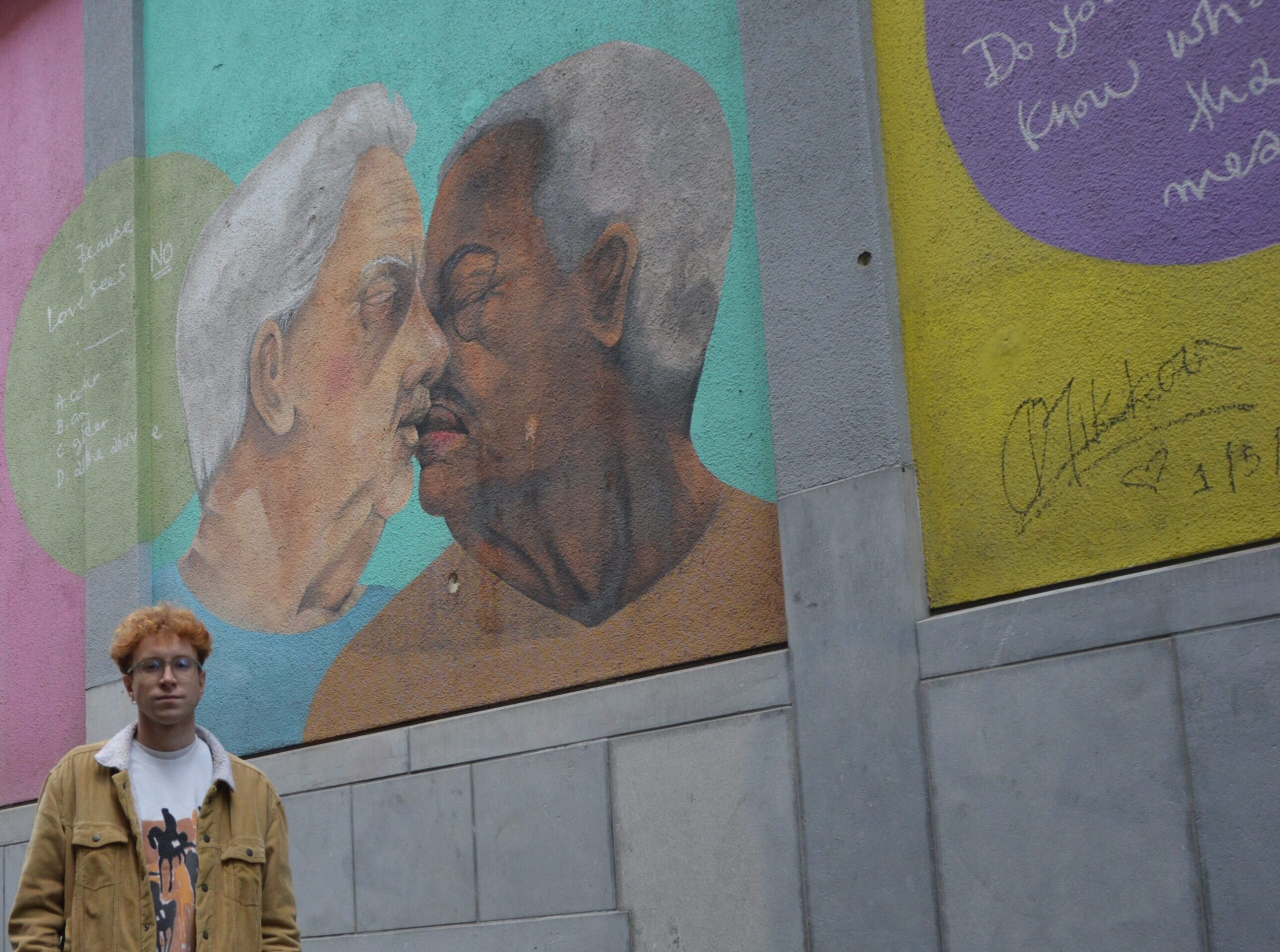
Two years after his diagnosis, Maël Gerday hopes to challenge misconceptions about living with HIV. Credit: The Brussels Times/ Anas El Baye.
In another case, the Brussels Criminal Court sentenced a man to 18 months in prison in October 2015 after a paid sexual encounter with another man. He was convicted of attempted administration of harmful substances, with the judgment upheld on appeal in May 2017.
Pezeril told Le Vif back then that neither the defendant’s HIV treatment nor his viral load was taken into account during the proceedings.
Clinical nurse Kipouros says the question of accountability also comes back with positive patients. The decision, she explains, ultimately rests with the individual. A controlled viral load means a person can not transmit, and thus is not obliged to reveal his status, she argues. “However, exposing another person to a genuine risk of HIV transmission could have criminal consequences.”
“There is still a kind of uncertainty,” Rouxhet explains, noting that the principle of undetectable equals untransmittable (U=U) is scientifically established, but not consistently reflected in legal and administrative practices.
HIV coming out
Maël’s parents were frightened by his diagnosis, partly because of their “limited understanding of the virus and advances made in its treatment," he says.
Over time, their concerns eased as they learnt more about the disease. Still, his father occasionally worries that the virus would weaken his immune system. His grandmother, now in her nineties, genuinely wondered why he was talking way too much about “VHS”, the French abbreviation for old videotape cassettes.
Now, her concerns hide a more conservative attitude towards intimate matters, he says. “Let’s live happily, let’s live hidden,” Maël sums it up. But he belongs to a different generation and says that he refuses to let fear dictate what he shares about his life.
Speaking about it openly is freeing, he says; it also helps him select the people he surrounds himself with. Anyone who has a preconceived judgment is automatically “out of the circle.”
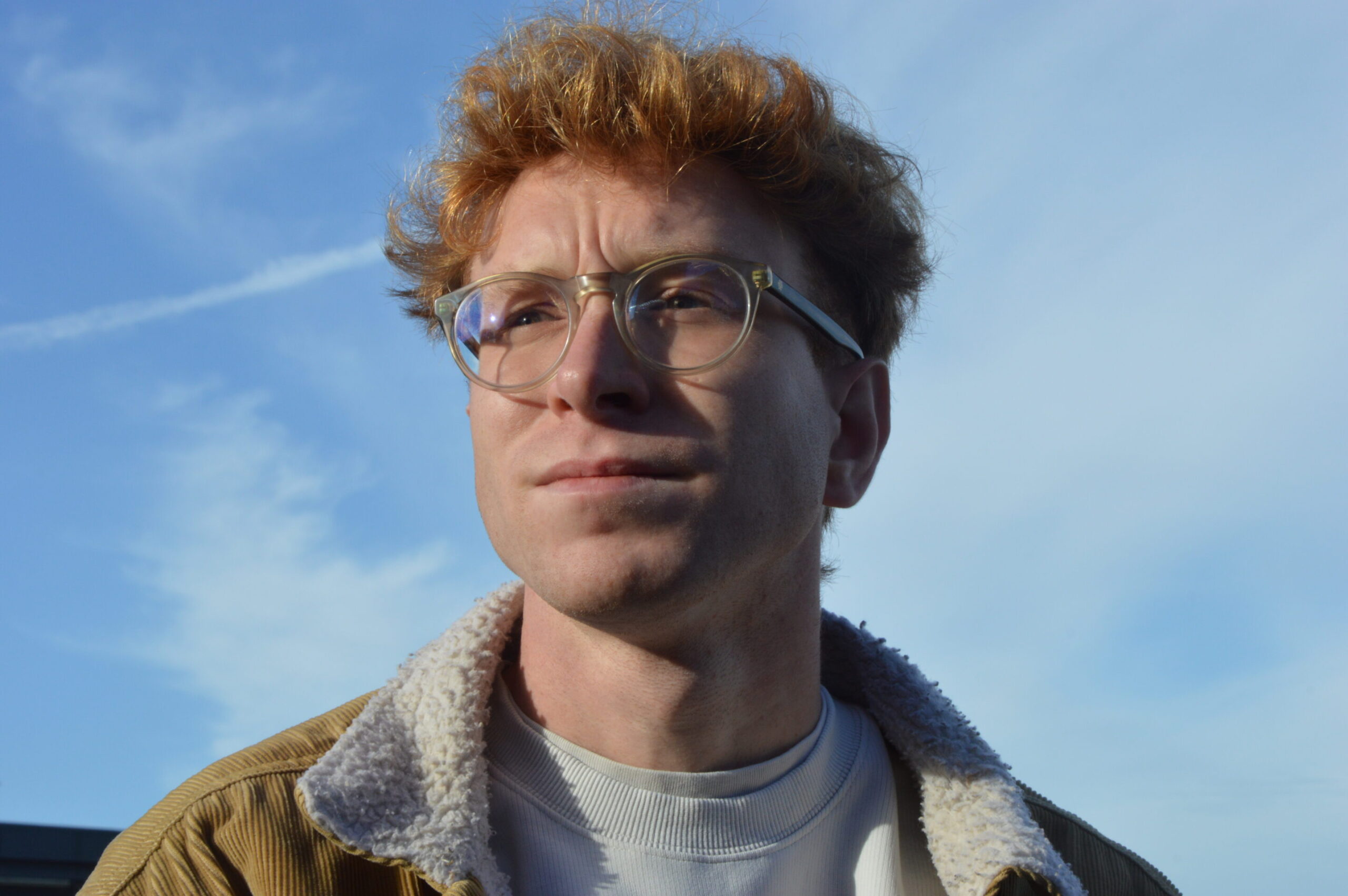
Credit: The Brussels Times/ Anas El Baye.
For people living with HIV, deciding whether to disclose their status to a sexual or romantic partner is a deeply personal question. Maël believes the answer depends partly on the nature of the relationship. He distinguishes between a plan cul (casual encounter) and someone with whom he hopes to build a future.
For a one-off sexual encounter, Maël does not believe he should necessarily have to disclose his HIV status, provided his viral load remains undetectable. The constant “I am dangerous or irresponsible," he explains, should not be a constant burden that "worsens my self-image and self-worth.”
But when it comes to a serious relationship, his approach is different. Maël says he would want a long-term partner to know about his diagnosis, not because he considers HIV something shameful, but because he believes openness and trust are essential to a lasting relationship.
His experiences have nevertheless shown him that disclosure can come at a personal cost. Some men he was seeing have distanced themselves after learning he was HIV-positive, lest they might get the virus from him.
Kipouros explains the subject can become a taboo between relatives and the person living with HIV. Younger generations might be familiar with modern treatments; parents and grandparents, on the other hand, can still struggle to reconcile new info about HIV with the frightening image of HIV/AIDS they grew up with in the 80s.
Maël’s first worry when he learnt of his diagnosis was: “I have HIV. Now what do I do?”
His answer, today, is: “Cultivate the resilience to live with it."
