
Almost half of Belgians (49%) said their purchasing power has fallen to some degree over the past 12 months because of rising energy prices, according to the European Investment Bank’s (EIB) annual climate survey published today.
To cope with rising prices, two in five Belgians said they had turned down their heating, one of the highest shares in the EU and well above the average of 34%.
32% of Belgians have also cut everyday spending on food or healthcare to make ends meet, and 15% of households say they have gone into debt, sought financial help, or delayed paying an energy bill.
Meanwhile, more than half of Belgians (54%) said they now use their personal car less often, instead prioritising car journeys only for essential trips.
The fall in purchasing power has also changed travel behaviour, with Belgians now driving more slowly and taking fewer trips to visit family and friends. 17% have also switched to car-sharing, using public transport or cycling.
Faster climate transition wanted by Belgians
In response, nearly three in four believe the country should speed up its energy transition to cut reliance on imported fossil fuels and lower energy prices.
Four years ago, Belgians viewed slowing climate change as the main benefit of the energy transition; now they put energy independence first. A similar shift in priorities has occurred across 15 EU countries.
Despite the shift, climate action still remains a major expectation for Belgians, with some 74% still seeing slowing climate change as a key benefit of the transition.
Asked what the perceived risks were of the EU moving too slowly, 79% of Belgians said their energy bills were their main concern and a further 78% pointed to greater dependence on imported oil and gas.
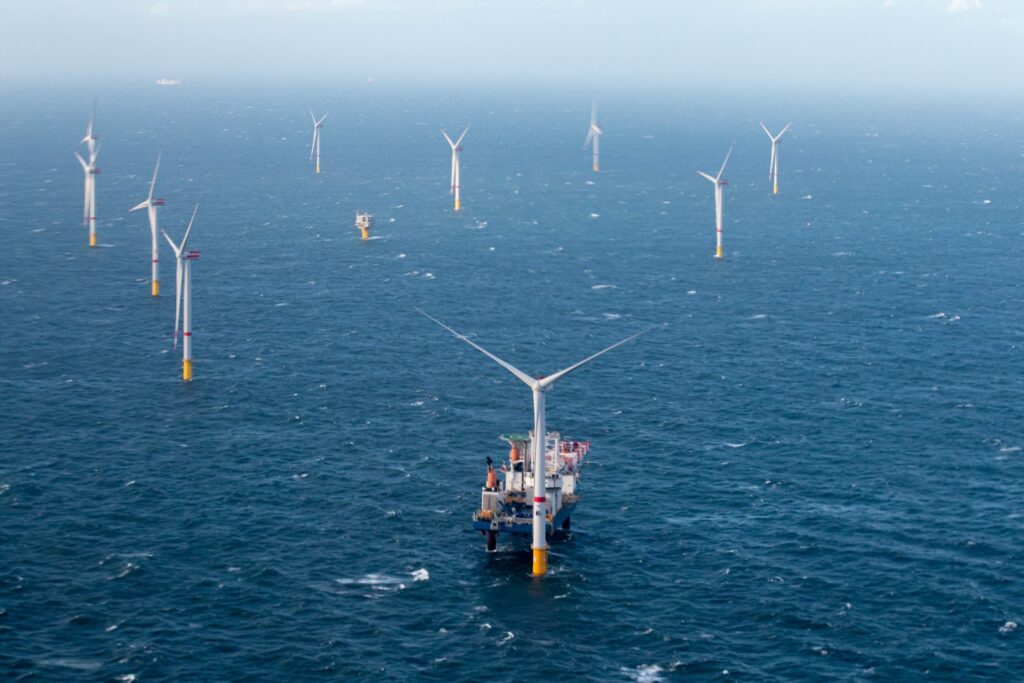
Looking ahead, 85% of Belgians said low-carbon energy sources should be prioritised in the transition. Solar power ranked first, followed by wind energy.
The survey also found that 68% want closer co-operation between EU member states on energy transition policy.
The survey was conducted among 23,000 people across the EU’s 27 member states, including 1,000 in Belgium.
