
Investigators at animal rights organisation GAIA recently uncovered a startling statistic: nearly one in three snacks sold in Belgian friteries contains horse meat.
Annually, the average Belgian citizen consumes 700 grammes of horse meat, while Belgium's abattoirs slaughtered 1,662 horses, ponies, and mules last year.
Beyond friteries, Belgium shares a centuries-old tradition of eating horse with countries like France, Italy, Switzerland, and Austria. But nowhere does that culinary heritage show more than in Vilvoorde, just outside of Brussels.
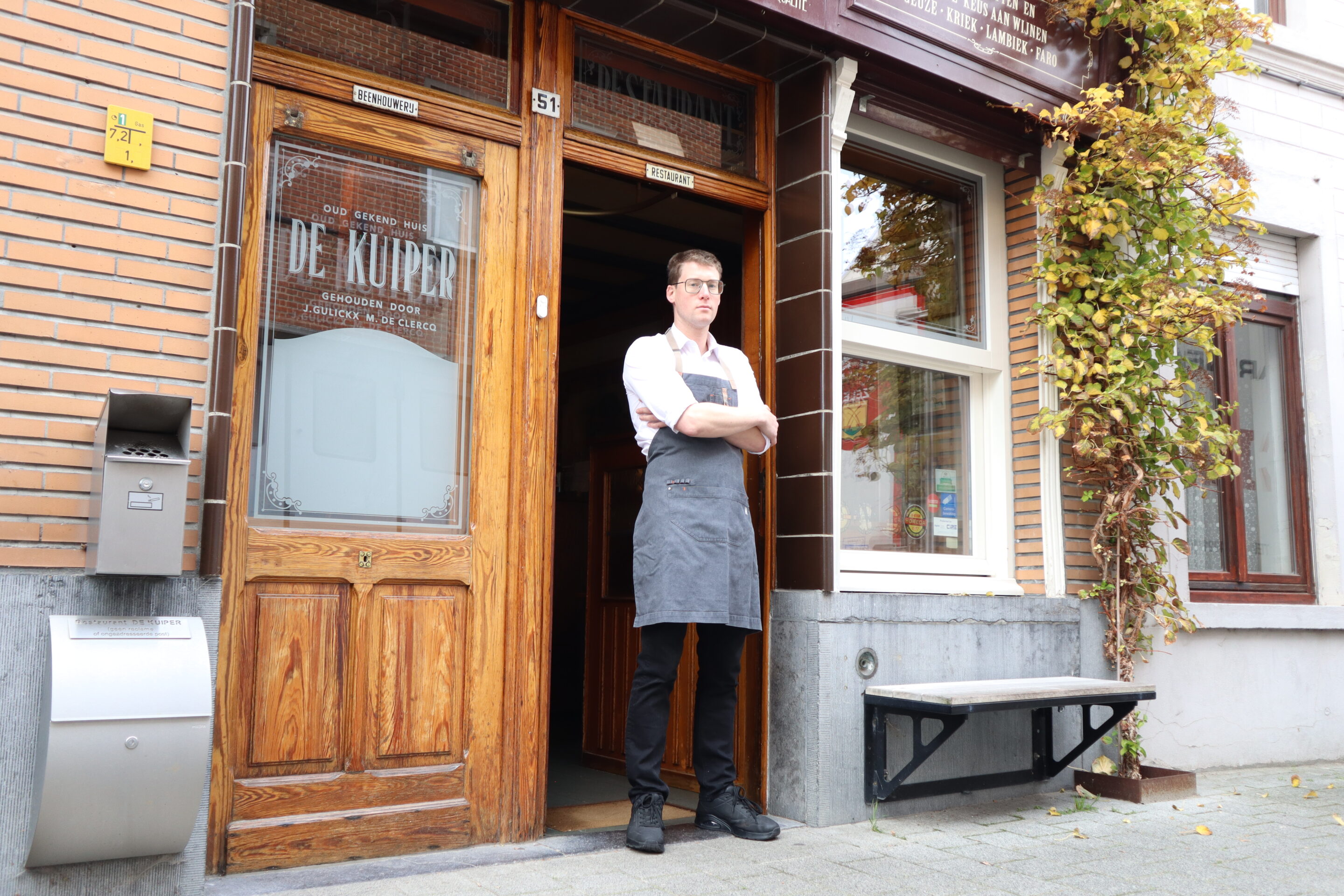
Inside Restaurant De Kuiper on a Friday morning, 35-year-old owner Jules Gulickx chats with The Brussels Times over coffee as various workers come in. History is ever present in every corner of the room.
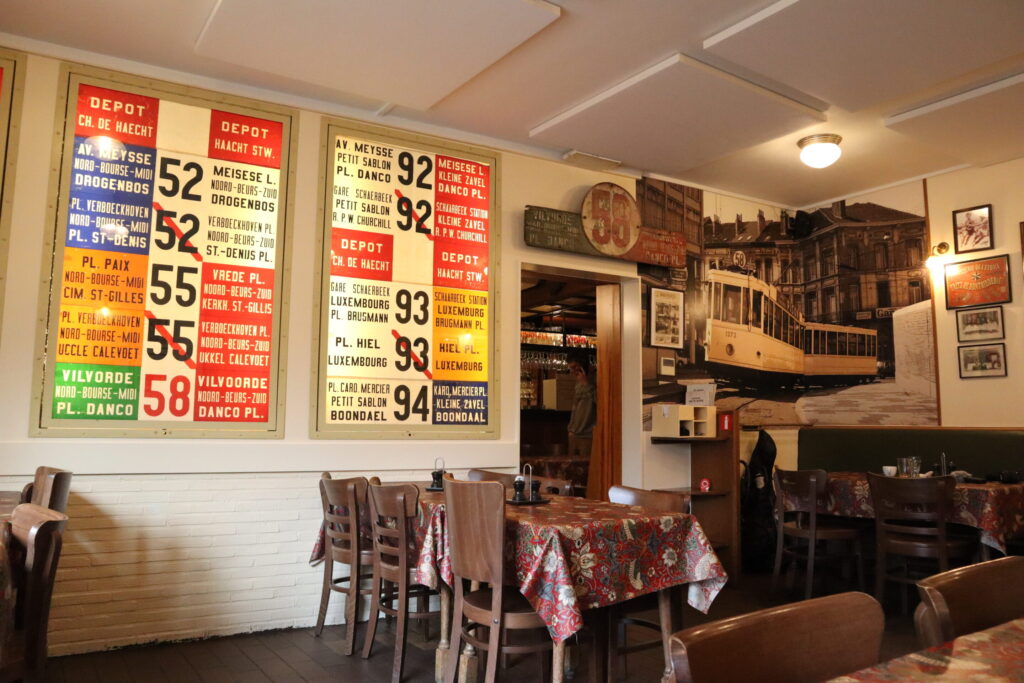
The wall with old tram routes, including those connecting Vilvoorde to central Brussels. Credit: Kosmos Khoroshavin / The Brussels Times
Founded in 1859, the restaurant is almost as old as Belgium itself.
Gulickx and his wife took over on 1 May 2023 – the third generation of the third family to run the place. Gulickx' grandparents bought it in 1962, closed the butcher shop in the 1980s, and passed it to his parents in 1992.
The 'horse eaters'
Since opening, equine cuts have carried the menu. Residents of Vilvoorde were called and later proudly called themselves Piere fretters – a specific regional dialect for "horse eaters."
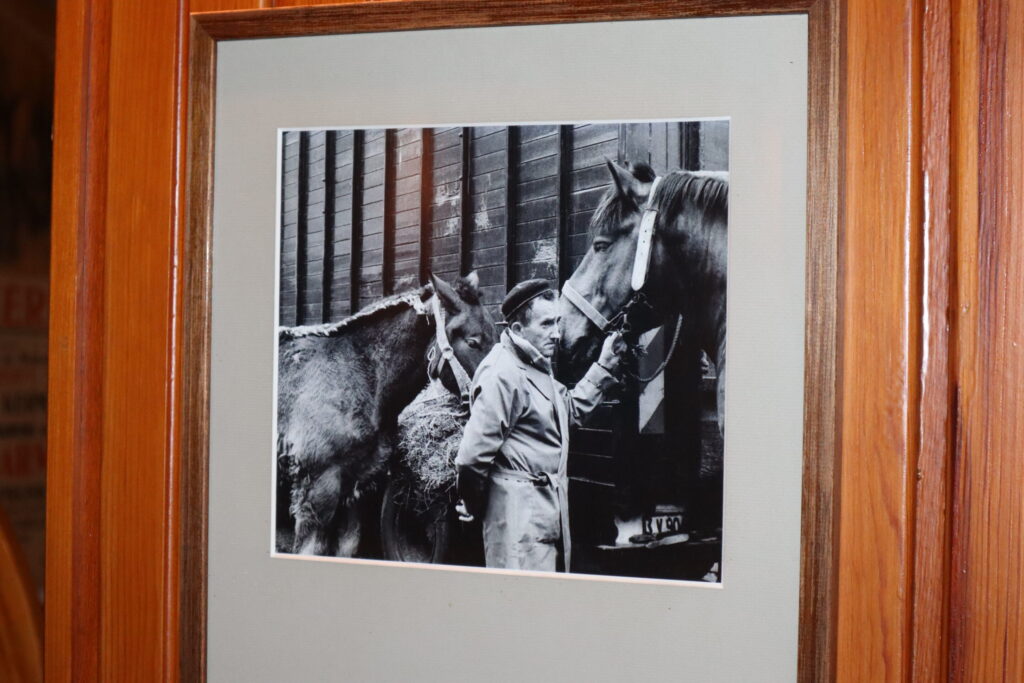
The nickname stems from the Industrial Revolution, when horses pulled canal boats, hauled carts, and drove factory machinery for poor labourers.
Vilvoorde’s massive horse abattoir made the meat abundant and cheap.
"By the end of their life, their working life, the only value the horse had was its meat," Gulickx explained. "So the people would sell the horses and they would be slaughtered for their meat."
Credit: Kosmos Khoroshavin / The Brussels Times
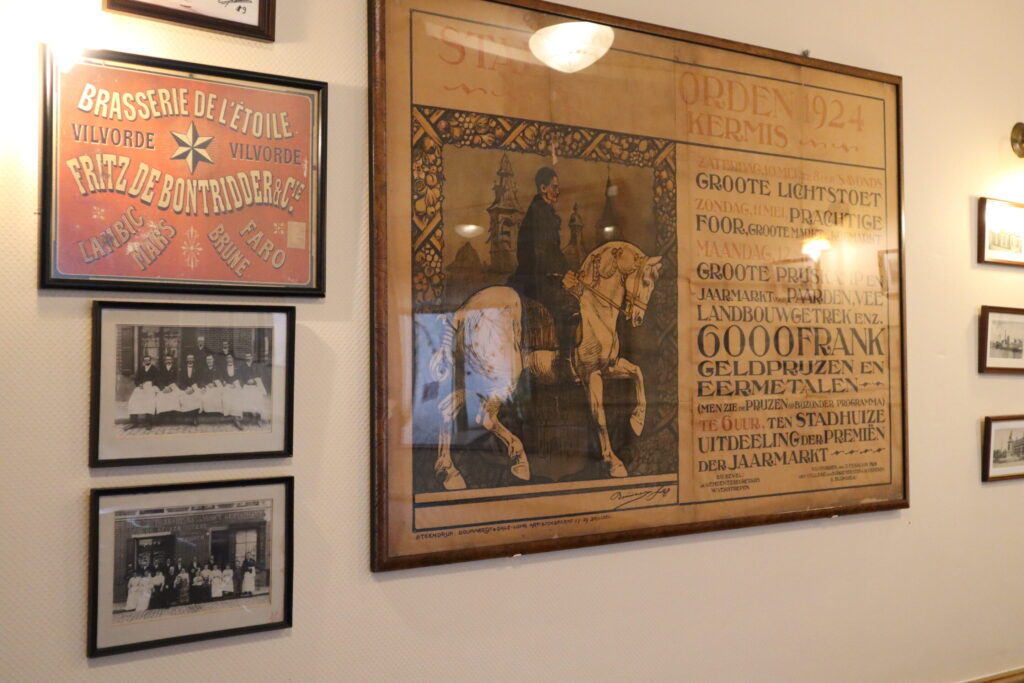
Ironically, De Kuiper began as an exclusive, upper-class restaurant on a busy shopping street with each of the five tables having a dedicated waiter.
Gulickx talks of archival photos showing steaks priced at a few cents. A few cents, however, translate roughly to €100-150 in today's money.
Today, every other shop on the street has vanished.
When his grandparents shut the butcher shop, they merged both rooms. Now, families, friends, and business diners have 17 to 20 tables to enjoy themselves. Gulickx says that keeping prices accessible despite global inflation allows the couple to preserve the historic setting for everyone.
Credit: Kosmos Khoroshavin / The Brussels Times
Running a horse steakhouse in 2026
Beyond locals, food tourism draws travellers from central Brussels – a distance Gulickx compares to crossing central London.
Elsewhere in Europe, horse meat consumption has declined as people started keeping them as pets. Having ridden and trained horses himself, the chef respects them, but has an unsentimental view of livestock.
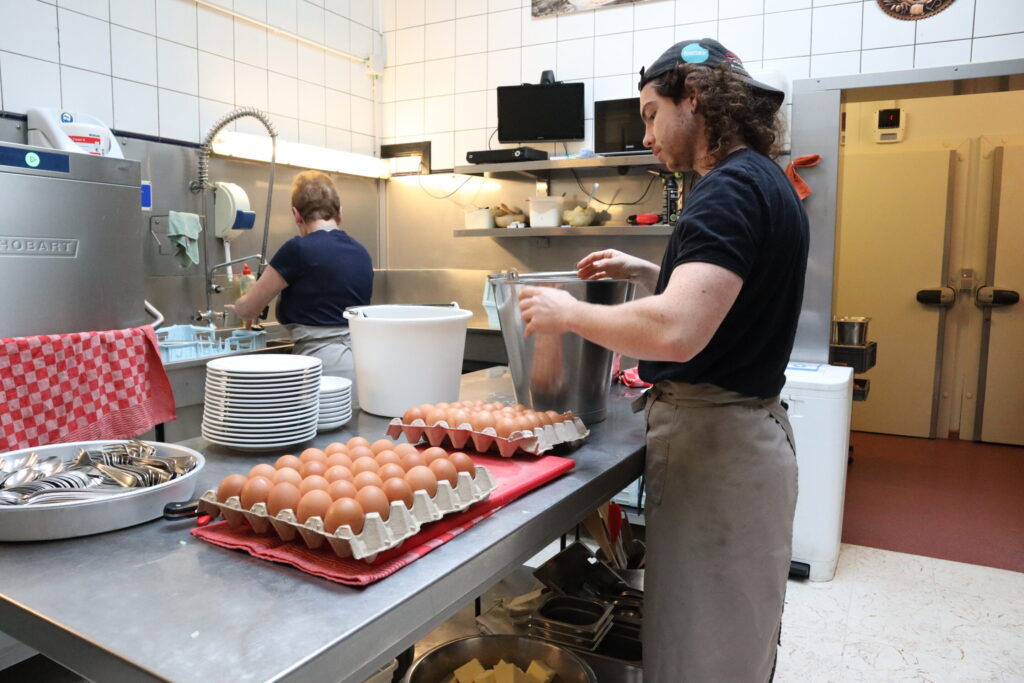
Credit: Kosmos Khoroshavin / The Brussels Times
"Industrial chickens live six weeks, pigs last a few months, and beef cattle die after a year or two," he says.
By contrast, De Kuiper imports "Respectful Life" meat from Argentina and Uruguay. "The horses there, they roam the pampas (South American grasslands). All of them are guaranteed to live longer than eight years. They can have more of a life," Gulickx said.
Still, he concedes GAIA’s point that hauling free-roaming animals onto trailers causes severe stress. To prevent panic, South American abattoirs rest transported horses in stables for several weeks before slaughter.
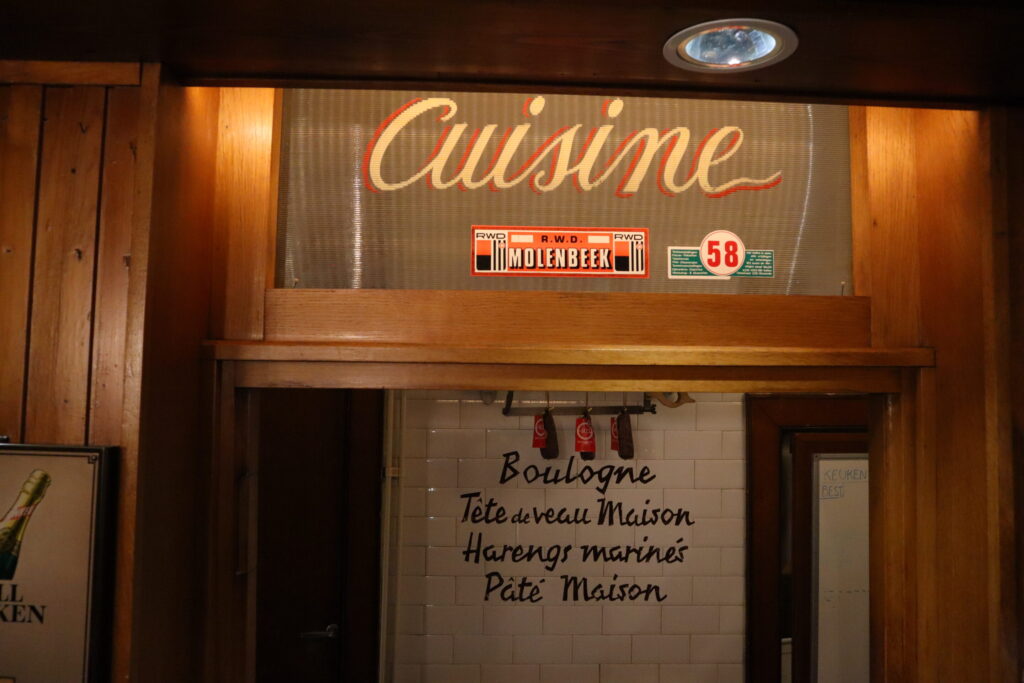
Credit: Kosmos Khoroshavin / The Brussels Times
Biology dictates that rest period. Visiting abattoirs, he has seen stressed pigs drop dead on the spot, leaving their meat tasteless. Horses that die from stress produce brown, slimy, foul-smelling meat that no kitchen can serve.
"I think you should really know where your meat is coming from," Gulickx said. "So if it means the prices need to go up to get the same quality, we will go up with the prices."
Often, sceptics expect an eight-year-old working horse to taste tough, but diners at De Kuiper regularly slice through their steaks using the blunt back of a knife. Gulickx says that working animals develop deep flavour while staying tender.
Trading reactors for restaurants
Taking over the family business was never forced on Gulickx, whose parents warned him that anyone running the restaurant without full commitment would quit within two months.
Like his father before him, Gulickx initially swore he would never take over. Instead, he worked for seven years in radiation protection at Antwerp’s Doel nuclear power plant.
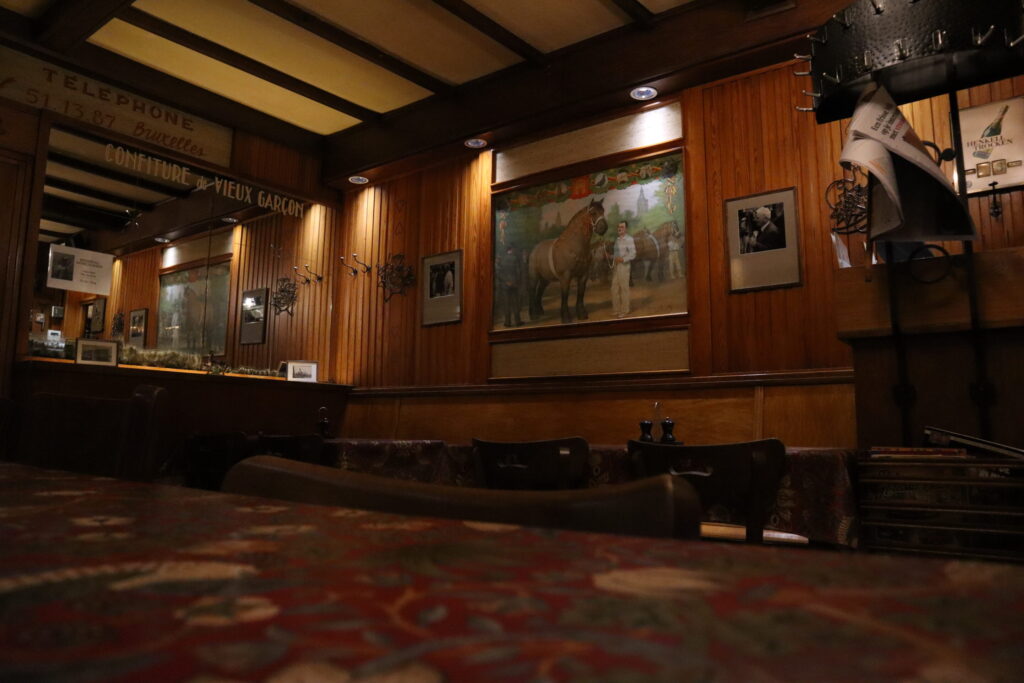
Credit: Kosmos Khoroshavin / The Brussels Times
Restless after seven years, he tried joining the army, but missed the strict age cut-off at 27.
Then, inspiration came from neighbours in their seventies who had run a cosy tea shop near the Brussels Bourse: he considered opening a small brunch spot himself, until he met his wife, who had worked as a flexi-job waitress.
Eventually, the pair realised they were simply trying to copy De Kuiper’s warm atmosphere.
"If you do this, the only difference in workload would be the personnel – and I always said I won't do it alone," Gulickx said. "You can't do it alone."
