
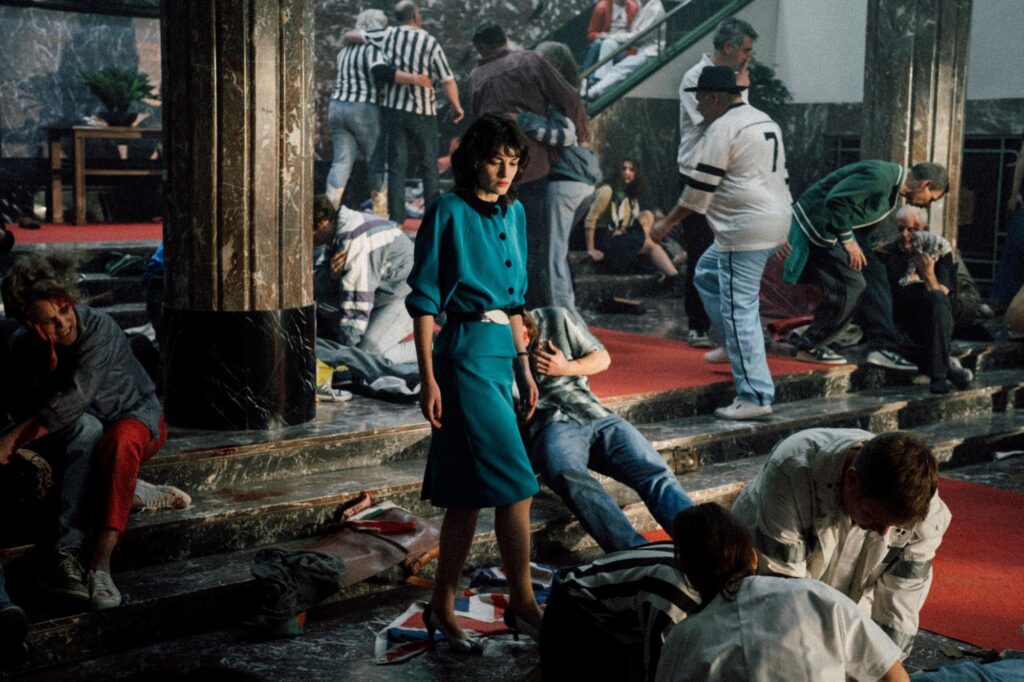
The director of a new film based on the 1985 Heysel stadium disaster in which 39 football fans lost their lives has compared its impact in Belgium to the 9/11 terrorist attacks in the United States.
At a Q&A following a special screening in Brussels yesterday evening of “Heysel 85”, Teodora Ana Mihai said the legacy of the horrific events that took place at the European Cup final between Juventus and Liverpool was still felt today, more than 40 years on.
“People who are old enough remember where they were when it happened, remember what they were doing when it happened, and how they lived through it. It has had a huge impact," said the Romanian-born, Belgium-based director. “For me, it’s comparable, emotionally, to 9/11 in the US."
Her remarkable film blends fact and fiction, with archive footage of the events on 29 May 1985.
The tragedy was triggered by Liverpool fans breaking through a fence and charging towards rival supporters in Block Z, which should have been a neutral section. As panicked Juventus fans retreated en masse, a wall collapsed, leaving scores trapped.
Most of the victims were trampled to death. They included 32 Italians, among them an 11-year-old boy, Andrea Casula, and his father Giovanni. Four Belgians, two Frenchmen, and a Northern Irish fan also died. More than 600 fans were injured.
Despite the fatalities, officials including the then-Mayor of Brussels, Hervé Brouhon, decided that the so-called “match of the century” should go-ahead, after more than an hour’s delay, because they feared that abandoning it would risk further violence that could spread beyond the stadium.
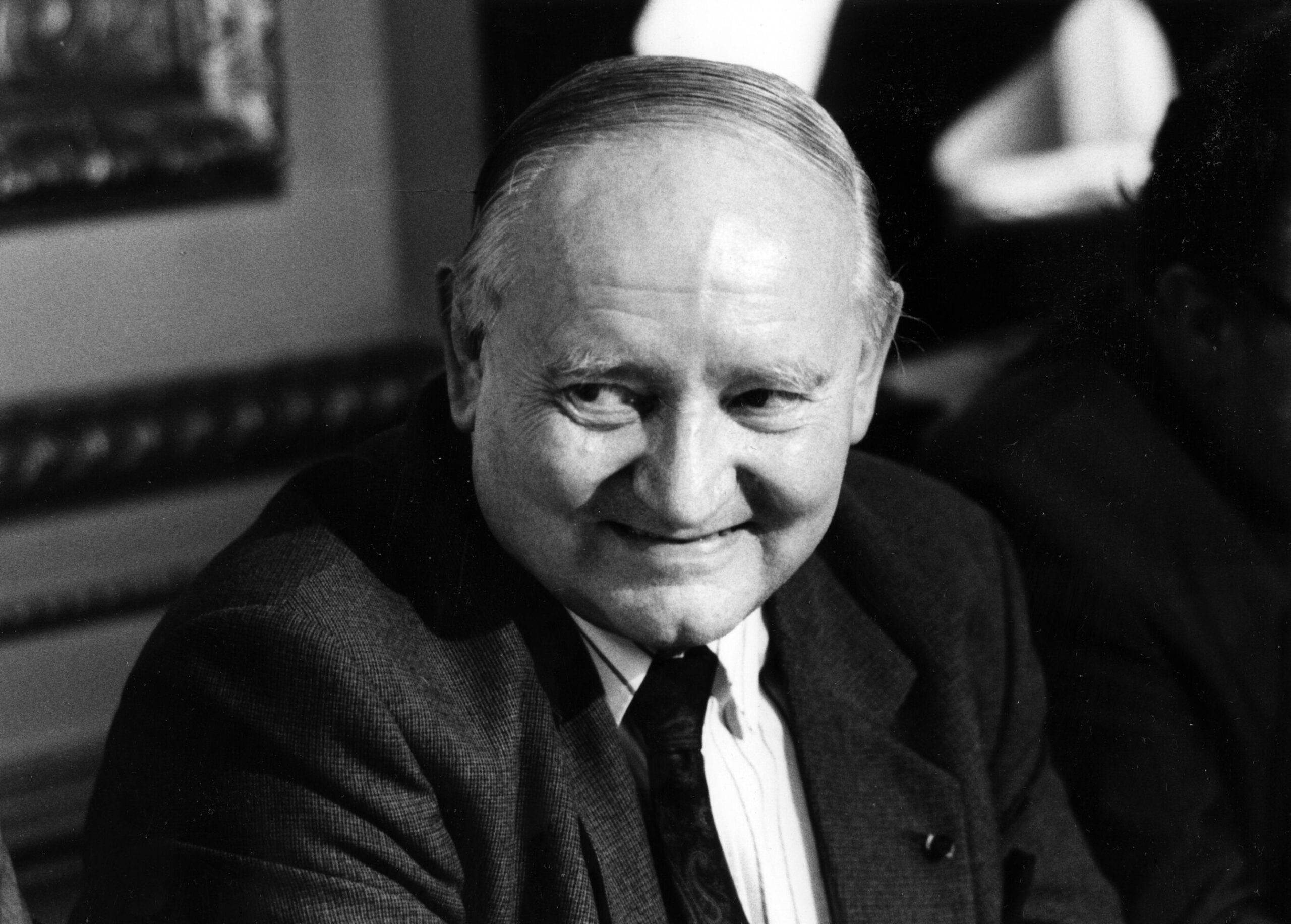
Herve Brouhon, former Mayor of Brussels. Credit: Belga Archives
Mihai said that selecting the archive footage she used in the film was one of the most difficult aspects of the production. “I had to censor myself a lot because some things I saw were so horrible,” she added.
Although she stressed that the film is “not a biopic,” she admitted that the fictional scenes, mostly set in the Royal salon and underbelly of the stadium as the terrible events unfold, were influenced by eyewitness reports.
“People who were there that night advised me all along the way. After seeing the film, they have come back to me and said, 'what you have shown is very plausible',” the director told audience members at the Q&A session, held at the Cinema Galeries to mark European Arthouse Cinema Day.
“Some of my extras that were in the film had been in block Z or the stands that evening. They had very clear memories of it. They told me that, for them, it was in a way therapeutical," she said. "That was surprising.”
The film centres on two fictional protagonists, Marie Dumont (Violet Braeckman), a press attaché and daughter of the Mayor of Brussels, and Luca Rossi (Matteo Simoni), a young Belgian-Italian journalist. Veteran Belgian actor Josse De Pauw plays the fictional Mayor Marc Dumont and Fabrizio Rongione portrays Albert Simons, head of the gendarmerie.
Controversy
The film has attracted particular controversy for its depiction of the booze-sozzled mayor, who is shown as barely capable of making decisions as the situation spirals out of control. In one scene, he lashes out at an angry Italian Minister, calling for him to be arrested.
De Pauw personally knew Hervé Brouhon, which influenced his depiction, and Mihai stated it was well-known that the politician, who passed away in 1993, had issues with alcohol. His chief of staff at the time, Freddy Thielemans, later Mayor himself, said later: “The Heysel tragedy continued to haunt Brouhon until his death.”
Brouhon’s actual daughter, Huguette, who attended an earlier screening of the film, was not his press officer in real life, but has recalled how tensions blew up on the night between her father and the real-life Italian Minister of Labour, Gianni De Michelis, who was a VIP guest.
In one of his last interviews before he passed away, former Belgian diplomat and European Commissioner Etienne Davignon, who was present when the row erupted and Brouhon demanded the Minister’s arrest, took part in a documentary series, Het Heizeldrama, broadcast by VTM last year. He said he thought that the mayor had had too much to drink and advised him it was not a good idea to arrest De Michelis.
Another controversial aspect of the film is the real-life footage of Juventus midfield star Michel Platini celebrating after he scored what turned out to be the winning goal in the final from the penalty spot.
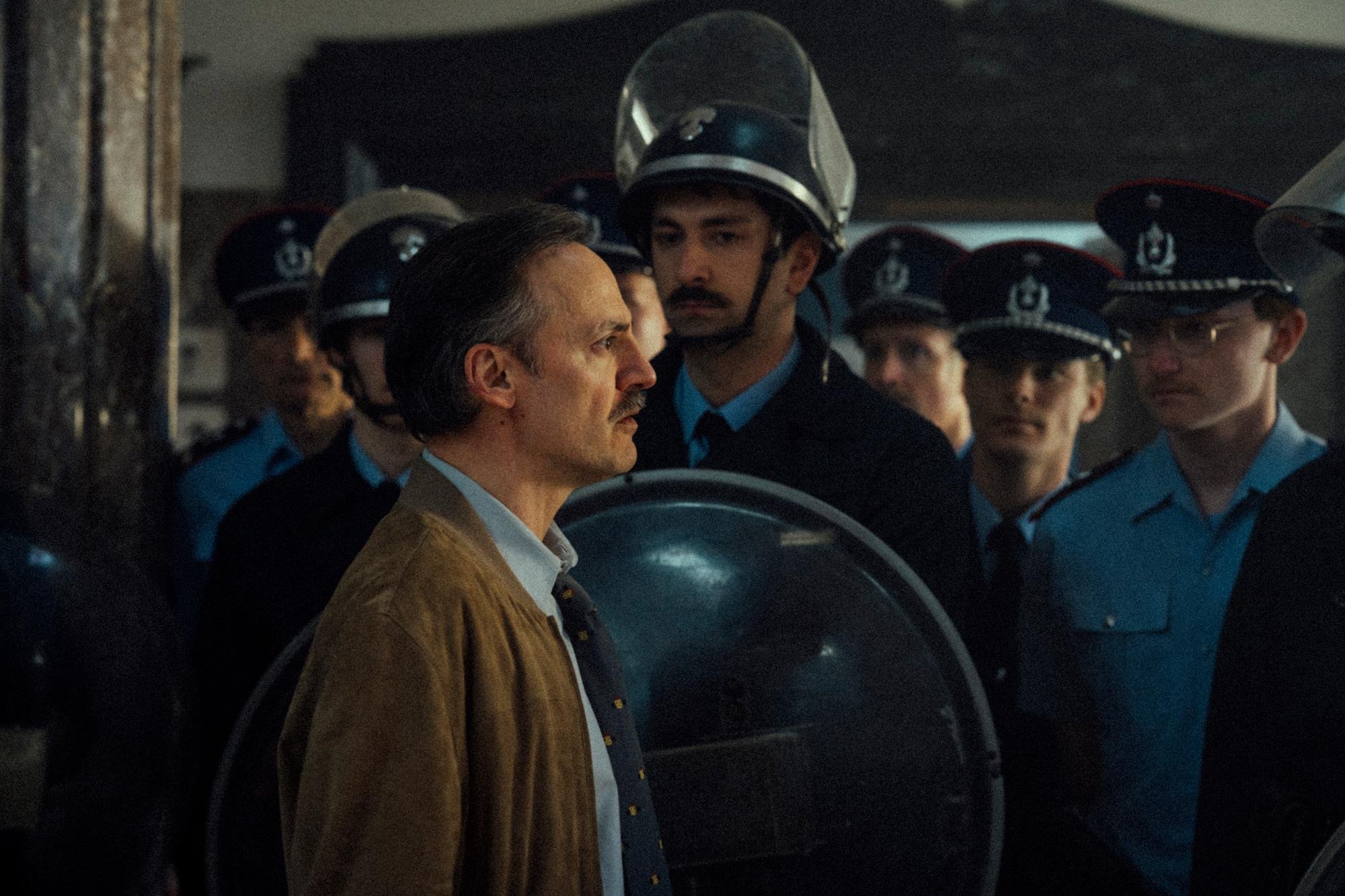
Heysel 85 still. Credit: Toon Aerts
He was heavily criticised for this afterwards, although Mihai pointed out that the original footage shows that even the fans who had been badly hurt in the crush were celebrating wildly.
“It is something that was very shocking to me. But it happened. People who were bleeding stayed to watch the game and were ecstatic," she said. "I think it can be a traumatic reaction, but I’m not a psychologist.”
She said it was possible that not everyone knew the full extent of the tragedy. “Even the journalists were catching up. You know, it was the pre-smartphone era so information travelled, but definitely not that fast.”
Platini, who was forced to stand down as head of the European football governing body UEFA in 2015 over ethics violations, later said he greatly regretted his goal celebration.
In a statement on the 30th anniversary of the tragedy, he declared: “I continue to play in that final. It hasn’t left me, just like it hasn’t left anyone else who was there that night, and remains with all those who lost a loved one, for whom everything changed in a few terrible minutes.”
Looking back, in a BBC documentary in 2005, Juventus manager Francesco Morini said several of his team knew that Italian fans had died and felt unable to play: “Some of the players were sitting with their heads in their hands, some were throwing up, some had already taken a shower and were dressed, ready to leave.”
But they were forced to go out and, after a goal-less first half played in a surreal atmosphere, the match resumed as if nothing had happened.
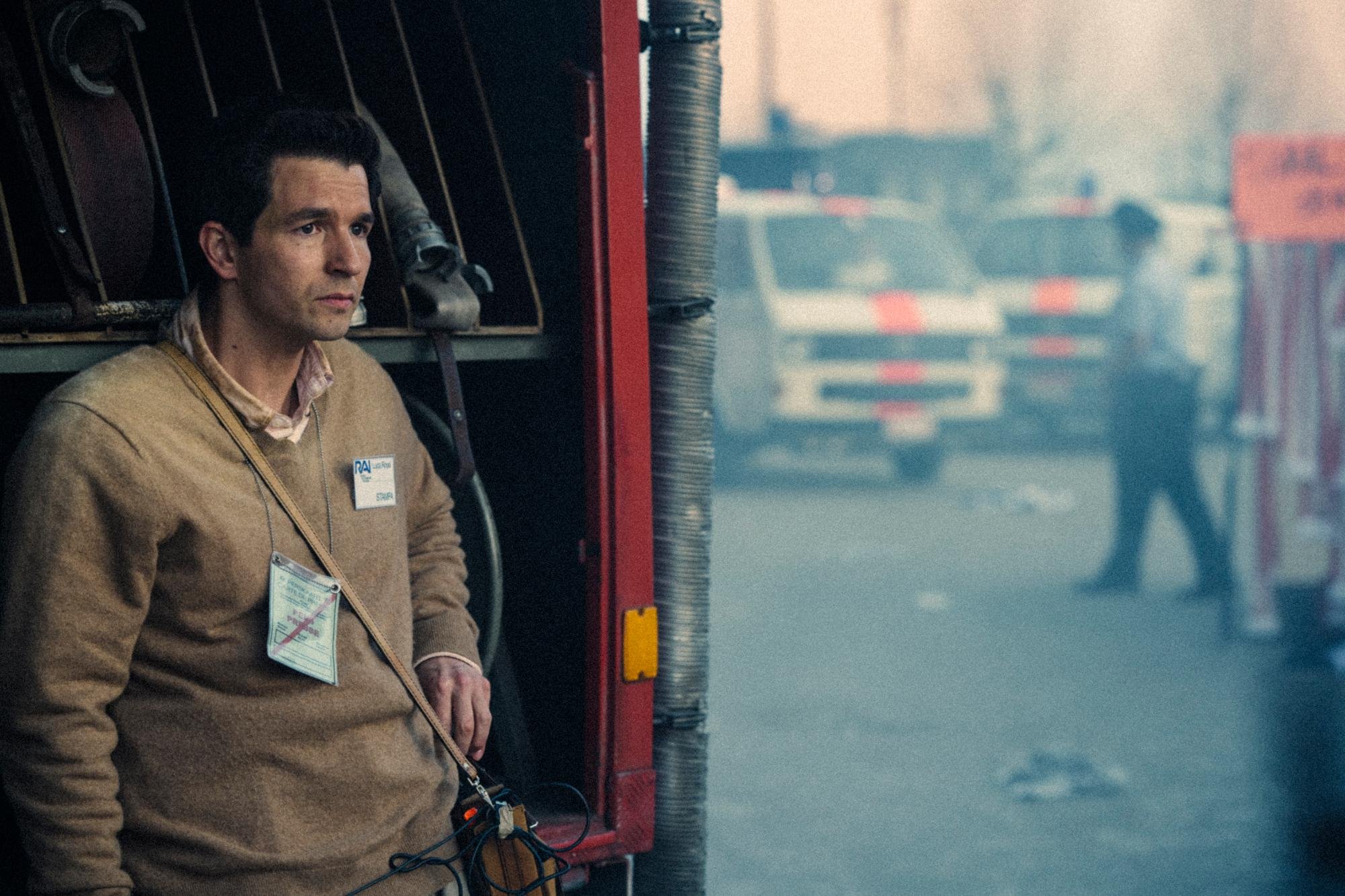
Heysel 85 still. Credit: Toon Aerts
Following the tragedy, there was widespread criticism of the Liverpool fans and English supporters, who had a reputation for hooliganism.
UEFA imposed a five-year ban on English clubs and in 1989, 14 Liverpool fans were found guilty of involuntary manslaughter at a five-month trial in Belgium. They were given three-year sentences – although half the terms were suspended.
A report by Belgian judge Marina Coppieters, published in 1986, said culpability also rested with the police and football authorities. Police captain Johan Mahieu, in charge of security at the final, was charged with involuntary manslaughter and handed a three-month suspended sentence. Mayor Brouhon was acquitted completely.
Coppieters also criticised the ticketing arrangements for Block Z. Although nominally reserved for neutral Belgian fans, ‘neutral’ tickets were largely bought up by members of Belgium’s large Italian community.
The art-deco Heysel stadium, opened in 1930, was judged to have been unsafe. In the build-up to the match, numerous concerns had been raised about its decayed state. Liverpool’s club secretary Peter Robinson called on UEFA to move the final to a more suitable venue, but his plea was ignored.
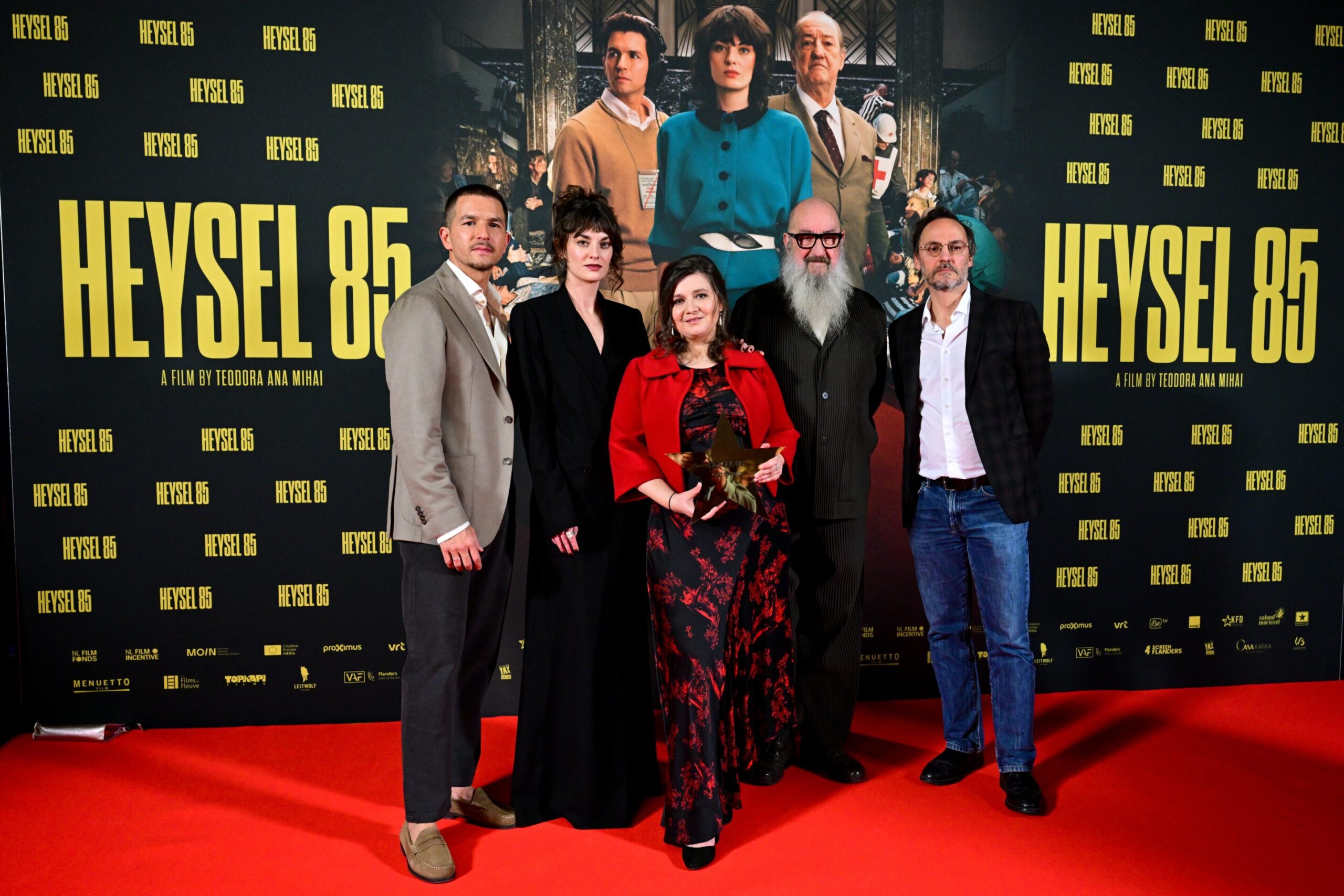
Actor Matteo Simoni, actress Violet Braeckman, director Teodora Ana Mihai, actor Josse De Pauw and actor Dave Fabrizio Rongione pictured during the premiere of the film "Heysel 85", on Monday 9 November 2026. Credit: Belga/Dirk Waem
Ian Rush, who played for Liverpool in the final and later for Juventus, is among several players who have since stated the ground was not up to it and the segregation between fans was not good enough.
In 1995, the ground was extensively rebuilt and renamed the King Baudouin Stadium, with only a small part of the original structure left.
However last year, Alain Courtois, Chair of the City of Brussels Council and former Secretary General of the Royal Belgian Football Association (RBFA/KBVB), warned that the stands, roof and floodlights badly needed renovating.
He said a new stadium should be erected at another location. However, Florence Frelinx, the First Councillor for heritage and sports, insisted that city’s finances would not allow this.
Matches continue to be played at the King Baudouin Stadium – most recently Belgium’s 4-1 victory against Italy on the Nations League on 14 November.
