
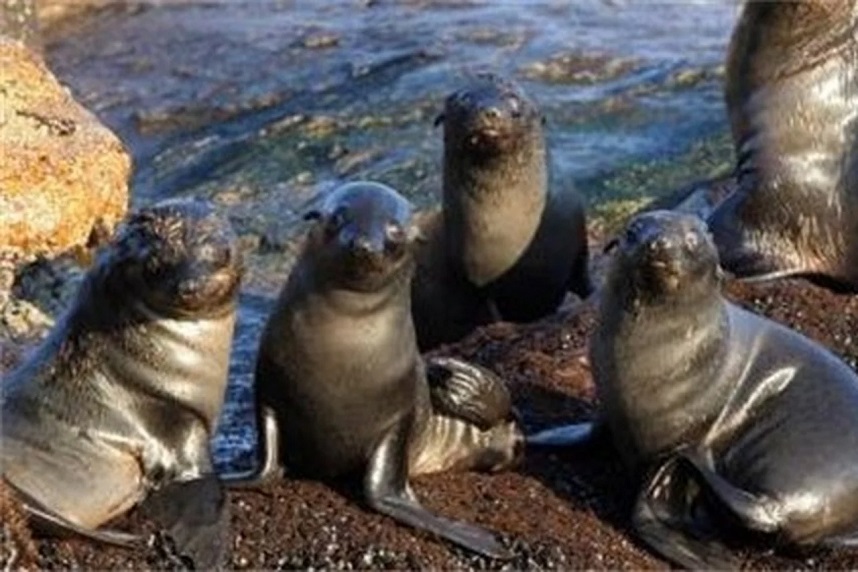
Fishing nets were the main culprit in the deaths of 101 seals that washed up on the Belgian coasts in 2021, doubling of the number in 2020, according to a new "Marine Mammals Report" from the Royal Belgian Institute of Natural Sciences, SeaLife Blankenberge and the University of Liège.
In previous years, the average number of dead or dying seals washed ashore had been 44, and in 2013, only 25 had washed up on Belgian beaches. The increase in 2021 is related to the increasing population of seals in the southeast of England, according to the report. This means that the animals are also increasingly seen in Belgium's waters and on its beaches.
However, the increase in the seal population is not a conclusive explanation for the increased death toll in 2021. Many animals showed injuries to the neck and head. At first, "beheadings" were thought of, which caused a lot of commotion. Investigations revealed, however, that it was "unintentional bycatch from professional fishing," the report said.
The animals get caught in the nets, causing them to drown. Retrieving the nets can then cause serious injuries to the seals, making it appear as if the animals were "decapitated". Still, the increase will not endanger the seal population.
In addition, 74 harbour porpoises washed up dead in 2021, but that's a "moderate year," according to the report. Half of the harbour porpoises for which a cause of death was found died after being attacked by a seal.
SeaLife Blankenberge finally received eighteen seals. They often have to tend to the animals for bites or injuries from fishing nets and other debris in the sea. Thirteen seals were later released.
