
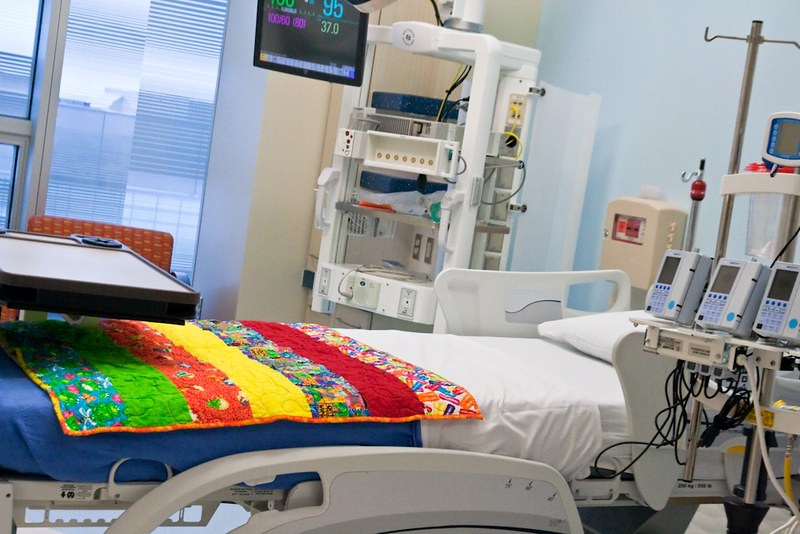
Last month, 25 children and young adults ended up in the intensive care unit of the University Hospital of Antwerp due to streptococcus bacteria – which experts are calling a "worrying" increase.
Streptococci are bacteria that settle in people's nasal and pharyngeal cavities. The infections usually cause only mild illnesses, such as scarlet fever, and can be treated well with antibiotics. In rare cases, however, it can lead to serious complications such as meningitis blood poisoning.
"Normally, we see these severe streptococcal infections a few times a year, now there have been 25 in one month," Philippe Jorens, head of intensive care at the University Hospital of Antwerp (UZA) told VRT of the "worrying" increase.
Other hospitals see increase as well
You can get infected through droplets in the air, by coughing or by drinking from the same glass as an infected person. The majority of infected patients in hospital now are otherwise healthy adolescents and children who contracted an infection on top of flu, Jorens explained.
"The children usually have strep throat and respiratory and pulmonary diseases. In young adults, we see a more general infection: blood poisoning as it is usually described." Symptoms vary depending on the type of infection, but fever is a very common complaint. Scarlet fever mainly involves skin complaints such as small spots and bumps. Breathing pain and shortness of breath can also indicate infection.
University hospitals in Leuven and Ghent are also seeing noticeably more severe streptococcal infections in children, although the increase there is less pronounced than in Antwerp.
Related News
- Quarter fewer Covid-19 patients in hospital, all indicators dropping
- Belgium officially faces flu epidemic, UZ Leuven postpones non-urgent care
- Belgium's flu season peak not expected until early January
The increase has not only been reported in Belgium; in December, the World Health Organisation (WHO) and the European Centre for Disease Prevention and Control (ECDC) called for vigilance due to an increase in serious illnesses in children caused by streptococcal group A infections.
France, Ireland, the Netherlands, Spain, Sweden and the UK also reported an increase in the number of cases of a serious form of the disease, known as iGAS (invasive streptococcal infection group A), in children under 10 years old last year.
