
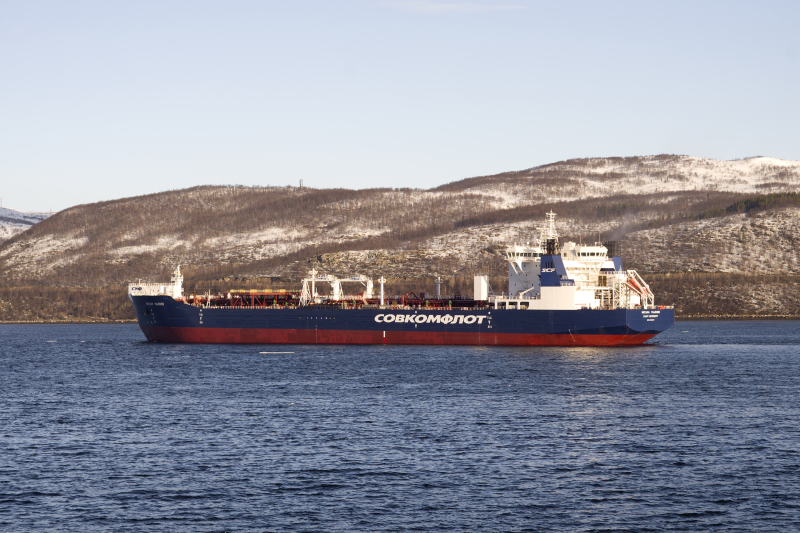
Russia is successfully circumventing the European embargo on its oil products by exporting to third countries such as China, India, and Turkey. These countries then export to the European market and Belgium and the Netherlands are the biggest importers of these ‘laundered’ imports, De Tijd reports.
European sanctions on Russia’s oil industry have tried to starve the Russian economy of important revenue from fossil fuel exports. Since December, the import of crude oil from Russia by ship has been banned. This was bolstered by a February ban on processed oil products.
Allied nations, including the US, Canada, the UK, and the EU have also agreed on a price cap on Russian oil. The price is set at $45-100 per barrel (depending on the grade of fuel). Yet despite these sanctions, demand for cheap oil products has not significantly declined. Many European nations are now buying from new sources, deliberately ignoring that much of these imports are still of Russian origin.
Circumventing sanctions
Research by the Finnish Centre for Research on Energy and Clean Air (CREA) found that EU Member States and other nations have increased imports from nations that did not sign up to the price cap. In particular supplies from China, India, Turkey, the UAE, and Singapore have risen significantly.
Imports from these five countries more than doubled in December 2022, compared to 2021. In January and February, nations that had signed the price cap imported vastly more oil from these nations (51% in January and 28% in February). This amounts to 13 million tonnes of oil products, worth roughly €9.5 billion.
While legal, these imports undermine sanctions against the Russian economy and have made these five non-signatory countries some of the biggest buyers of Russian oil, typically benefiting from significant discounts. Together, they now account for up to 70% of all Russian oil imports whilst before the war they hardly imported any oil products from Russia.
As previously reported, a similar phenomenon is taking place in the liquified natural gas (LNG) market: during the winter heating season last year, European nations bought large volumes of “Chinese” LNG. In fact, China merely imported discounted Russian pipeline gas and then sold it as LNG with a massive markup.
Belgium continues imports
The EU imported just over 20 million tonnes of oil products in the space of one year following the start of Russia’s invasion of Ukraine. Belgium and the Netherlands stand out as the largest buyers from these sanction-avoiding countries.
More than 7 million tonnes of oil products from the five nations arrived in the port of Antwerp in the year since the invasion. A third of this was imported after the embargo and the price ceiling were introduced. Belgian refineries have previously stated that their "flexibility" will prevent any significant problems as a result of the embargo.
Related News
- Europe's Indian oil imports reported to be coming from Russia
- EU imports of Russian LNG jumped 36% last year
Despite selling fuel to the five sanction-avoiding resellers at a discount, Russia still makes significant profits on its exports. The CREA estimates that its profits have amounted to €220 billion since the start of the war.
The report offers concrete recommendations to end this flow of money towards the Kremlin. These include banning “imports to the price cap coalition from refineries receiving any Russian crude”; maritime services for vessels used to transport Russian crude that don’t comply with the price cap; and further reducing reliance on fossil oil.
