
More than 25% of all civil servants in Belgium have been victims of physical violence during working hours. Trade union ACV is now demanding that the Federal Government intervenes and does more to counter incidents and punish aggressors.
28% of Belgian public sector workers have been victims of physical violence, with most facing repeated violence, a survey conducted among 3,600 civil servants shows. The acts primarily concern confrontations that involve pushing, hitting or kicking, but spitting and throwing objects are also common.
"The results are staggering," the union said, emphasising that over a third of the victims reported that they have sustained minor or even serious physical injuries. A quarter of victims suffered no physical but psychological damages.
Mental blow
This "mental blow" should not be underestimated, the union stressed. They referred to an incident in which a bus driver, Mario Recule, was hit through the open window of the bus earlier this year, after which the assailant also attacked the bus itself and further targeted the driver.
"I did not think that slap on my face was the worst, but the death threats were. Outwardly, you cannot see that about a person, but inside, that hit deep. How deep that affects a person, that's not normal," he said. Months later he is still at home with post-traumatic stress, according to the doctor.
Strikingly, the aggression is occurring across all sectors. "The violence is not limited only to police or public transport workers, as you might think when you read the newspaper reports. The results show that all workers in the public sector face violence," said Ilse Heylen, president of ACV Public Services.
Additionally, about 75% of those surveyed also indicated they have faced verbal aggression: swearing and insults, as well as discriminatory remarks or challenging and intimidating behaviour. 14% also said they do not feel safe at work 'at all' or 'most of the time.'
Related News
- Belgium in Brief: Is being a police officer becoming more dangerous?
- Police warns of 'solid increase' in group violence across Belgium
"Aggression is never part of the job," Heylen affirmed. Therefore, the union is using the figures to demand action from the government.
According to the union, many people do not even know where to report incidents. "Or they wonder: what's the use? This means that there must also be better follow-up. We should not underestimate the consequences of this aggression – physical, but certainly also verbal."
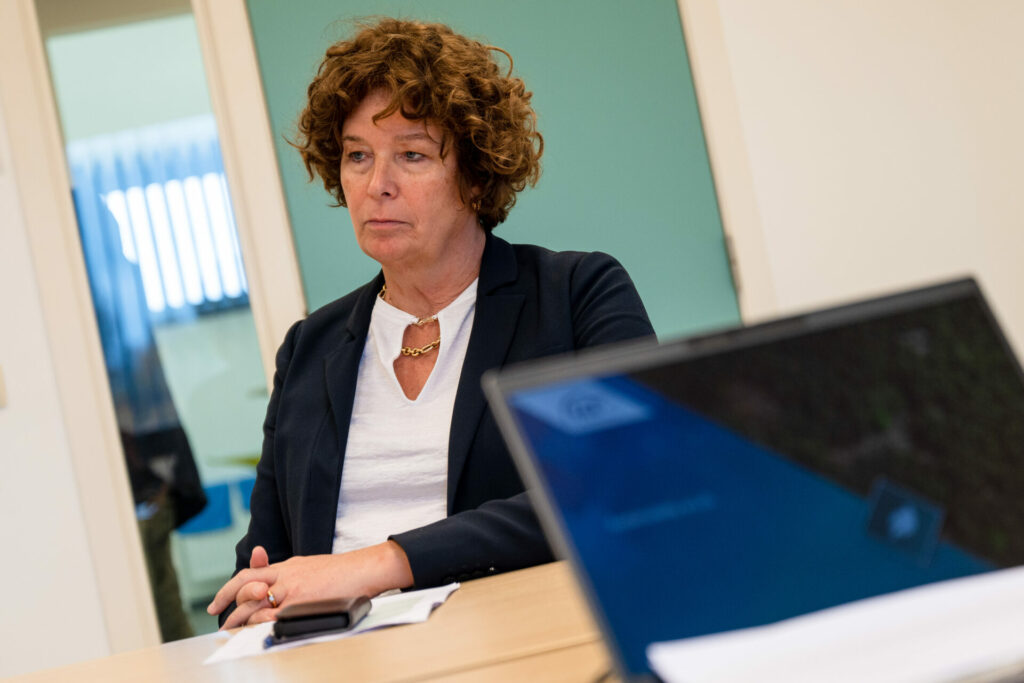
In both the Flemish and the Federal Governments, the competent ministers (Gwendolyn Rutten in Flanders, Petra De Sutter in Federal) already said they are committed to training people how to deal with violence.
"Every civil servant confronted with violence is one too many," De Sutter stated. "But we do want officials to know how to deal with it when it occurs and how to de-escalate situations. If things do go wrong, victims can at least count on legal assistance."
