
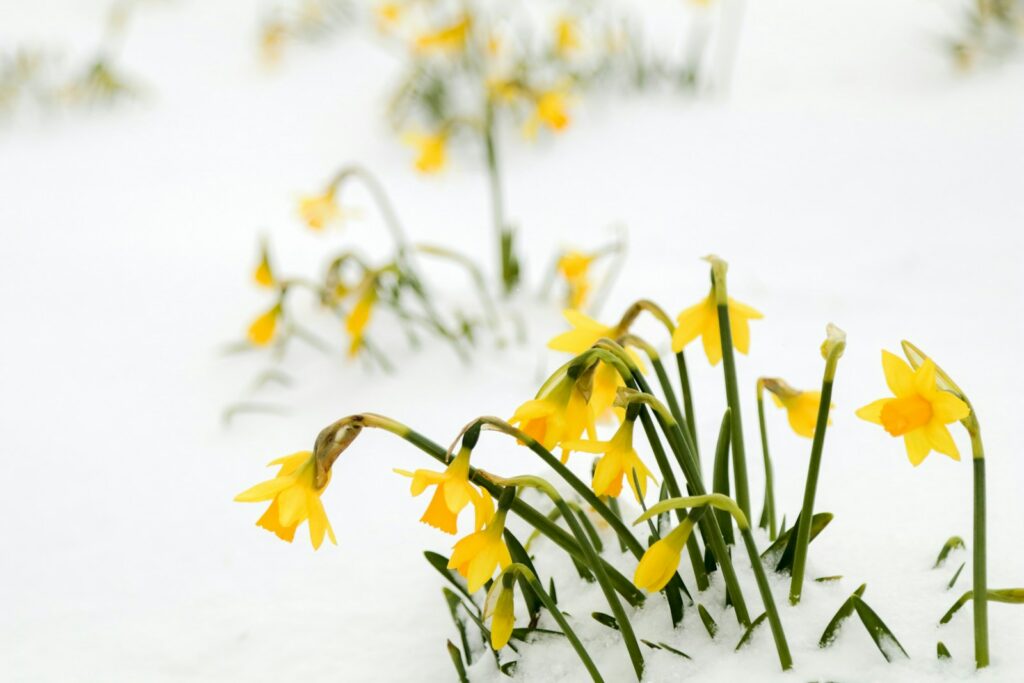
Meteorologists often discuss snow cover with a mixed perspective, highlighting its contrasting effects on landscapes and vegetation.
When at least 10 cm of snow accumulates, it transforms into a natural insulator, trapping air and acting as a protective blanket for the soil. It maintains a stable temperature for the ground, safeguarding perennials and bulbs from harsh winter conditions.
However, the protective prowess of snow comes with a caveat. When it falls on already frozen ground, it extends the freezing period. The type of snow matters too, as wet and compact snow provides less thermal protection compared to dry, light snow.
Evergreen shrubs, unlike their deciduous counterparts, face challenges as the heavy, wet snow adheres to their branches, often causing them to break under the weight. Bamboo, surprisingly resilient, bends but doesn't break under the snow's pressure. Nevertheless, it is advisable to remove snow from bamboo to prevent any long-term damage.
An ancient proverb claiming "snow in February is worth good manure" suggests that nitrogen from the air trapped in snowflakes might enrich the soil upon melting. However, recent studies question this belief, asserting that snow's contribution lies more in its ability to promote water absorption and soil moisture.
Contrary to popular belief among gardeners, snow may not act as a natural fertiliser. Instead, its slow melting process facilitates better water absorption and retention in the soil. The gradual release of water nurtures seed germination, debunking the notion of nitrogen-rich snow directly fertilising the soil.
As snow melts, the abrasive action on seeds stratifies them, breaking down dormancy barriers and facilitating germination. This effect, combined with the cold and water, promotes the emergence of seedlings. Gardeners can capitalise on this by sowing notoriously difficult seeds in January and allowing them to benefit from the snow cover.
Related News
- Cancelled Eurostars, slippery roads: Snow disruptions continue in Belgium
- Thickest layer of snow measured in Brussels since 2013
- 'Belgian Alps': Ski resorts open en masse following heavy snowfall
When it comes to winter vegetables, certain varieties thrive in snowy conditions. Winter spinach, resilient to -5°C, can be easily grown in well-prepared soil with ample sunlight. Cabbages, except kohlrabi, withstand frost and can be harvested in summer or winter, depending on planting times. Brussels sprouts, leeks, and radishes also weather the cold, providing a bountiful harvest with strategic planting and care.
While root vegetables such as turnips, beets, and carrots prefer avoiding winter exposure, some carrot varieties endure short frost periods down to -4°C. Mulching proves effective in protecting these vegetables from winter's chill. Onions, garlic and shallots, remain unfazed by snow and sub-zero temperatures, provided they are well-mulched during the winter period.
