
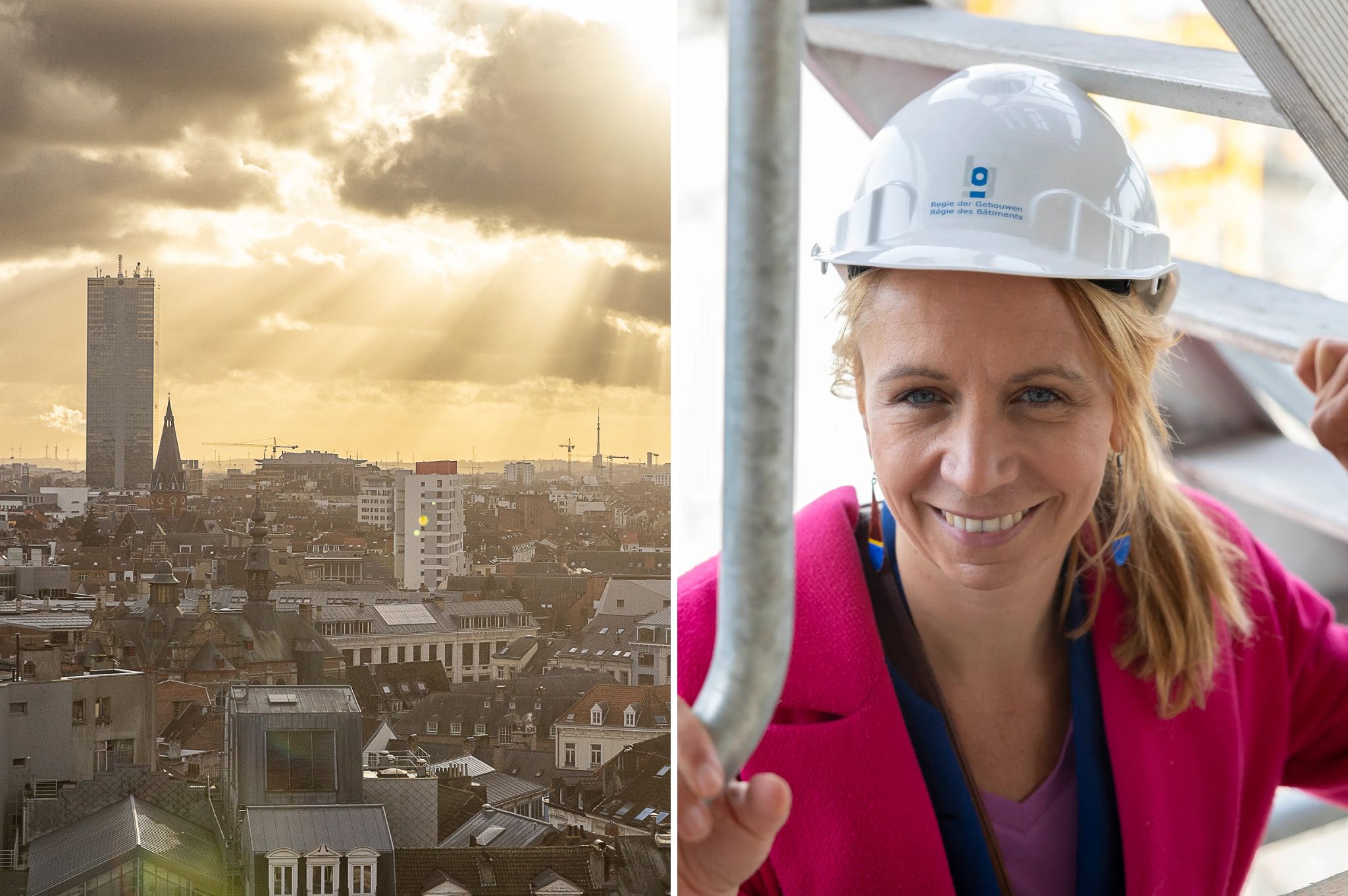
It is not uncommon to hear the capital of Europe being described as a city designed for work rather than life. In a backdrop of financial constraints and a lack of a regional government, Brussels's urban development remains a complex construction.
As the Brussels-Capital Region makes it to over eleven months without a government, The Brussels Times spoke to Ans Persoons (Vooruit), who –at least for now– remains the (outgoing) Brussels State Secretary in charge of Urban Development.
"For a long time, Brussels as a city, as a capital, was a bit neglected. It was a city where people worked and came to the theatre, to cafés, to restaurants but the city was really losing inhabitants," said Persoons.
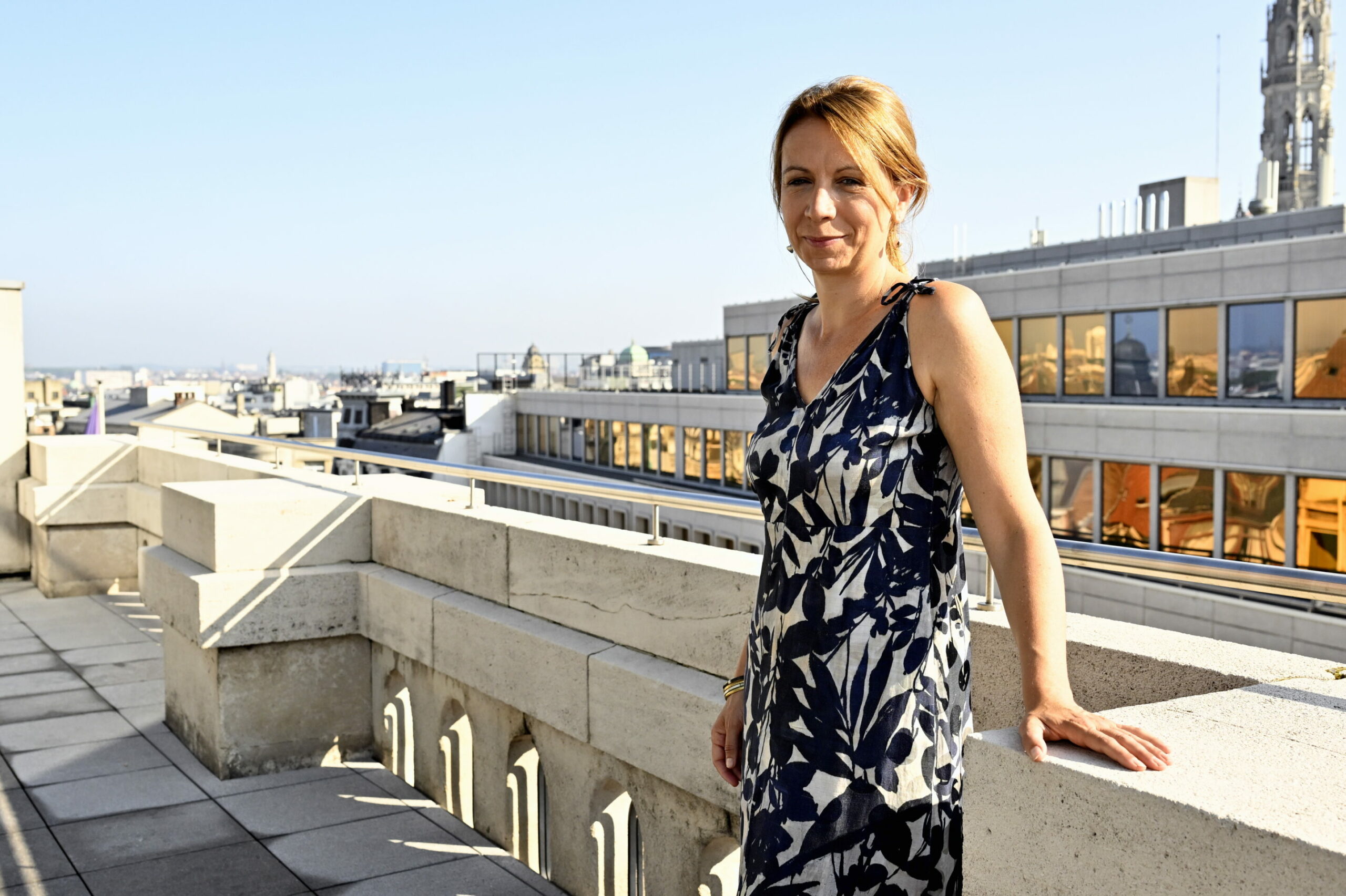
Brussels State Secretary in charge of Urban planning Ans Persoons. Credit: Belga/Eric Lalmand
Her office floor, located outside the Brussels' pentagon in Schaerbeek, offers a near-perfect 360º overview of Brussels. From parks, to homes, to offices, and even construction sites, the view shows just how diverse the urban landscape of the Region needs to be to cater to its growing population.
Persoons explains that much of how Brussels developed in the past was due to choices made before the late 1990s, when urban decisions were made at a federal level together with language communities. "They were not the people living there. They just saw Brussels as a functional city: 'We need to be able to get in and out as quickly as possible'."
Walk down neglect lane
As a consequence, for a long time, mainly in the 1950s and 60s, Brussels became a "very car oriented city", which focused on business rather that people.
The remains of this "crazy vision", as Persoons puts it, still lurk in some parts of the Brussel-Capital Region to this day. "Like this neighbourhood where we are in now. It's a perfect example," she says pointing outside one of the large glass windows in her office in Boulevard Roi Albert II.
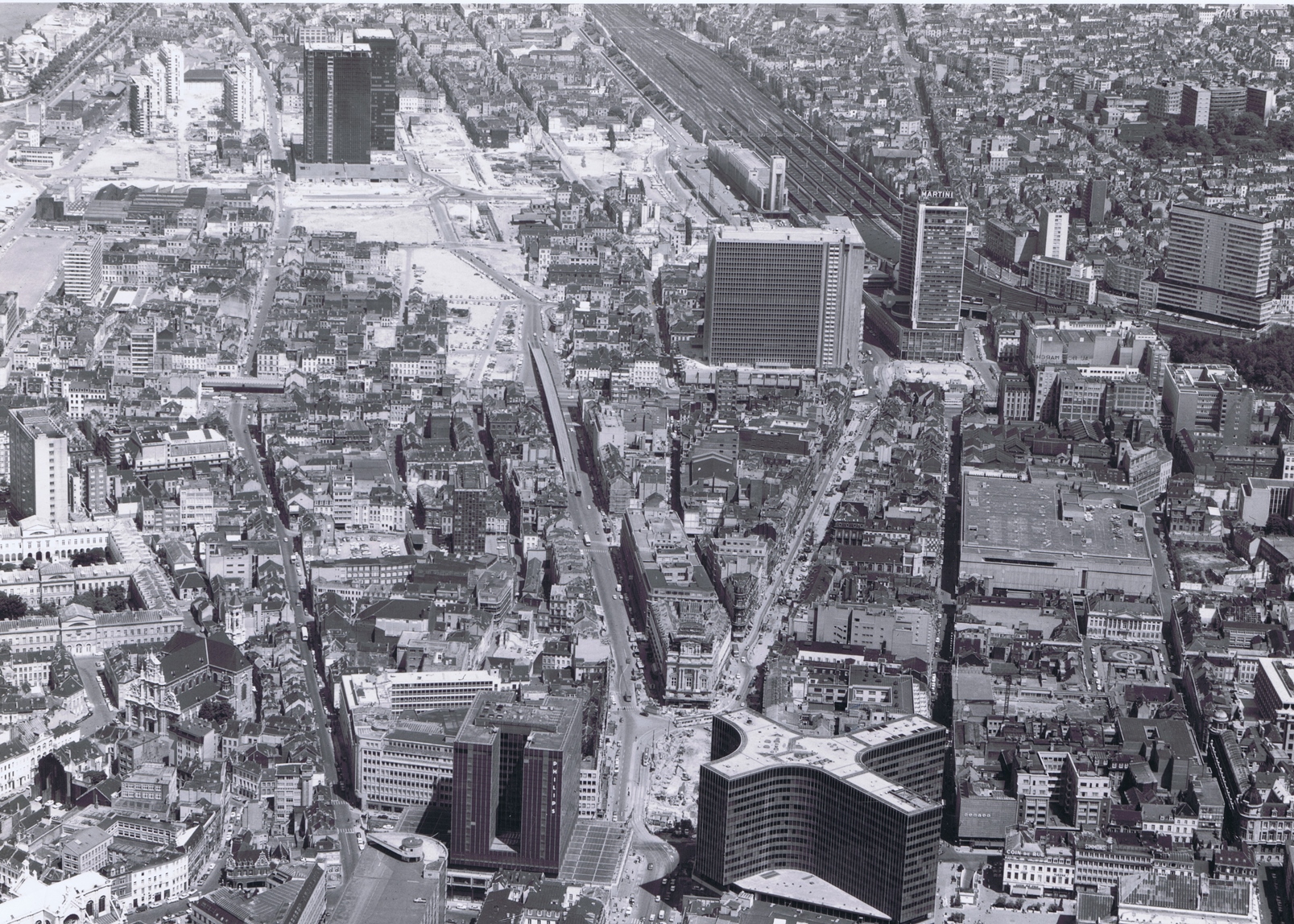
Aerial view of the Manhattan district around 1972 with the future Boulevard Roi Albert II in the centre. Credit: urban.brussels/CDP archives/Guides Badeaux collection
"It was a neighbourhood of small houses...and it was completely erased to build this new modern area, like an American business neighbourhood...the Manhattan of Brussels," Persoons explains.
The "shift" in the vision for urban projects started to take shape in 1998, when urban development was made as a competence of the officially established Brussels-Capital Region. But despite the progress since then, Persoons believes the capital is still neglected at times.
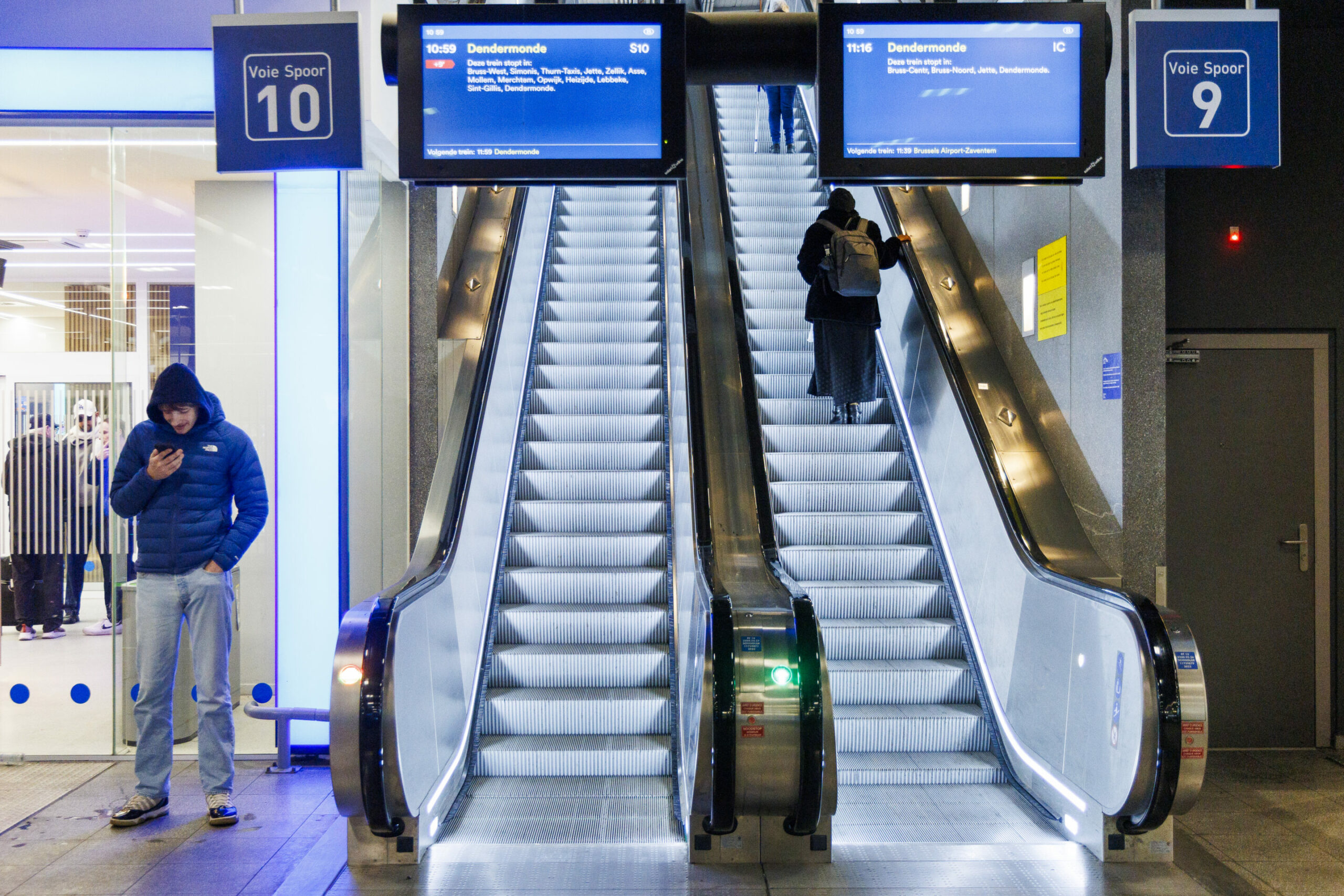
Brussels-Midi station. Credit: Belga/Nicolas Maeterlinck.
An example for her is the renovation projects of the Midi-Station and its surroundings. "A lot of money was invested in the Antwerp Station [...] and you have the station of Mons [...] and to invest so much money in that station and not here in the Brussels stations," she laments. "The Midi-station is where all the international people arrive [...] and it's been neglected."
For Persoons, while the Region's next Government "will be a government of budget cuts", it must prioritise the North and Midi station areas. "[To] make sure that we continue to invest in the development of those areas and also in the security and social policy around those zones."
'A middle class that pays tax'
The regional system of Belgium makes the maths for available budget often not add up, Persoons explains.
"Brussels generates a lot of wealth but doesn't really profit from that. That's linked to our institutional situation where we pay taxes where we live and not where we work," she said: "Commuters and those who work for European institutions, for example, don't pay [all the] taxes here."
Investing in "neighbourhoods and housing where people want to live" is therefore crucial to generate the money needed for projects. "We need a middle class that pays taxes to afford and to pay for all the public transport, for cleaning the street, to redevelop public space," she said.
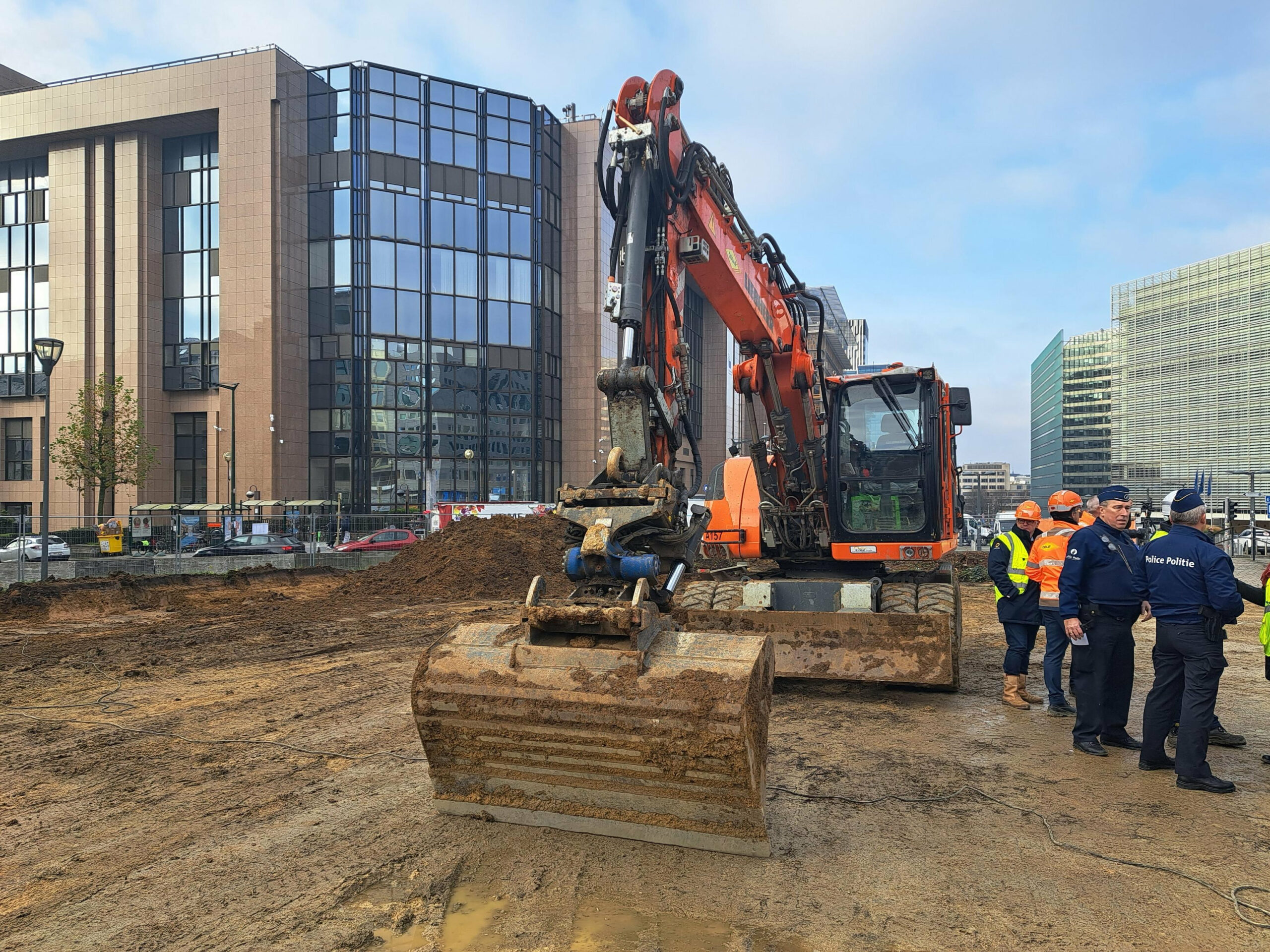
Works at Schuman Square in 2023. Credit: Belga / Timon Ramboer
Amidst a situation of challenging public finances, private investors are key but the bureaucracy can often get in the way. "I think we already changed legislation to have permits more easily and quicker," she said. "But it's still very easy to go to court against projects in Brussels, we don't really have an impact on that. But that's one of the issues why sometimes it takes really long to develop things."
Additionally, the political climate in the capital has dampened the appeal to investors. "What investors want is a stable political environment and it's not what we're offering right now. So it's not helping, we need a government as soon as possible," Persoons added.
'A big stain of oil'
Brussels' "grey" urban reputation has further complicated progress throughout the years.
"In the past to have that metropolitan vision was not something that the the Flemish and the Walloon Region really supported," Persoons said. "They see Brussels – and this is actually the wording that's being used – as a big oil stain that can expand into what in their head is their more rural and non-diverse outskirts of a city."
However, Persoons believes collaboration is still key to growth. "An oil stain is quite an incredible way to describe a capital. But it's in everybody's interest to have a vision about how the regions can work together when it comes to commuting to work."
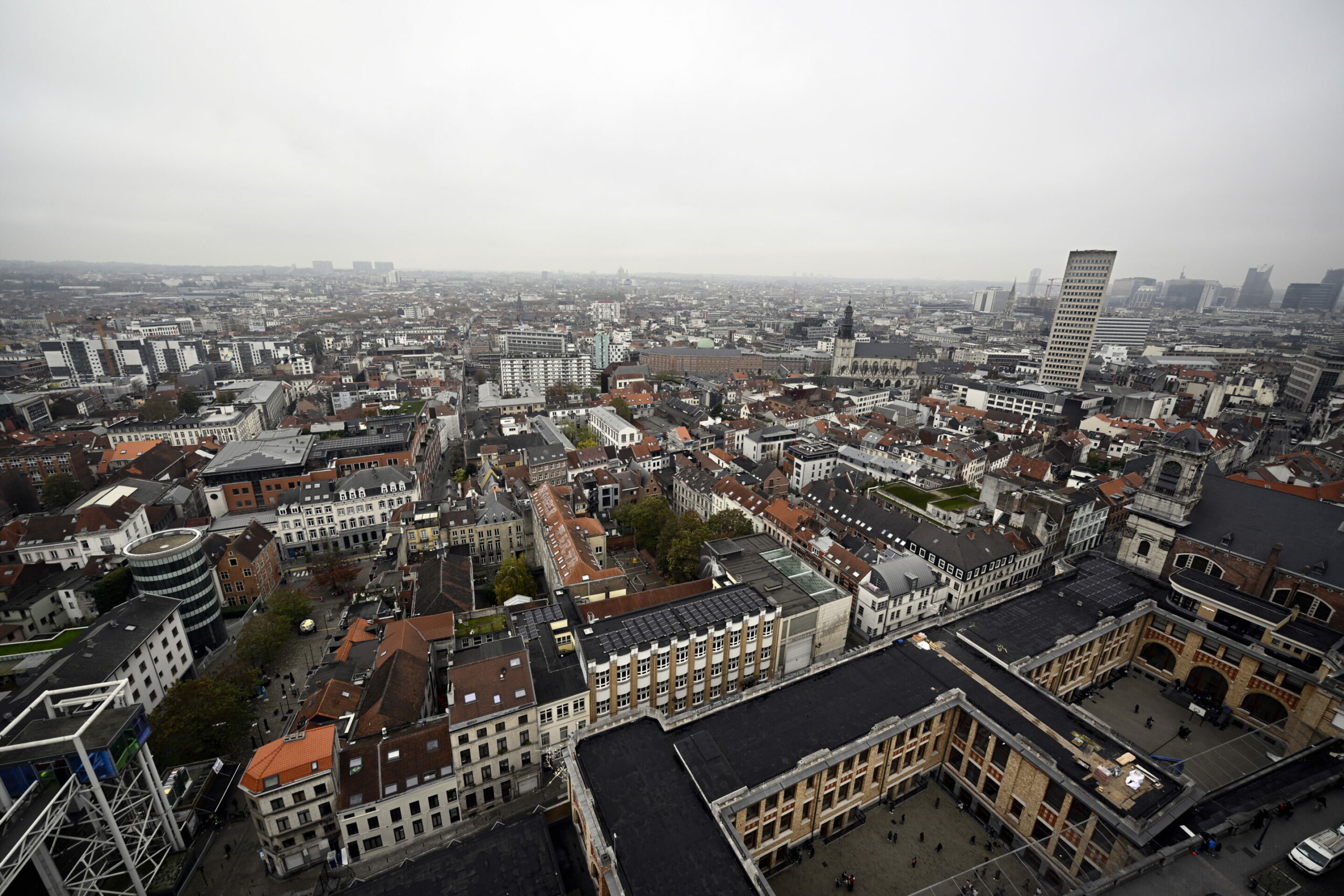
Skyline of Brussels in 2024. Credit: Belga/Eric Lalmand
Despite the strong metaphor, Persoons believes that Brussels' historic buildings and newer "very creative and innovative architectural scene" have helped change its general reputation.
Additionally, the ongoing strategy is set to showcase that the capital can be a region for both work and life. This involves making it more pedestrian-friendly, greener, and with more multifunctional places. "As a public authority, it's very important to use this moment to not repeat the mistakes of the past, and to invest partly in quality public space, but also in mixed functions for the buildings."
While Persoons believes Brussels will go through "some difficult years", this should not deter the upcoming government from committing to progress.
"We've already come a long way. And I think in practice we're already doing well...we have to make sure that we stay ambitious and innovative and that we can be an example for other cities in Europe."
