
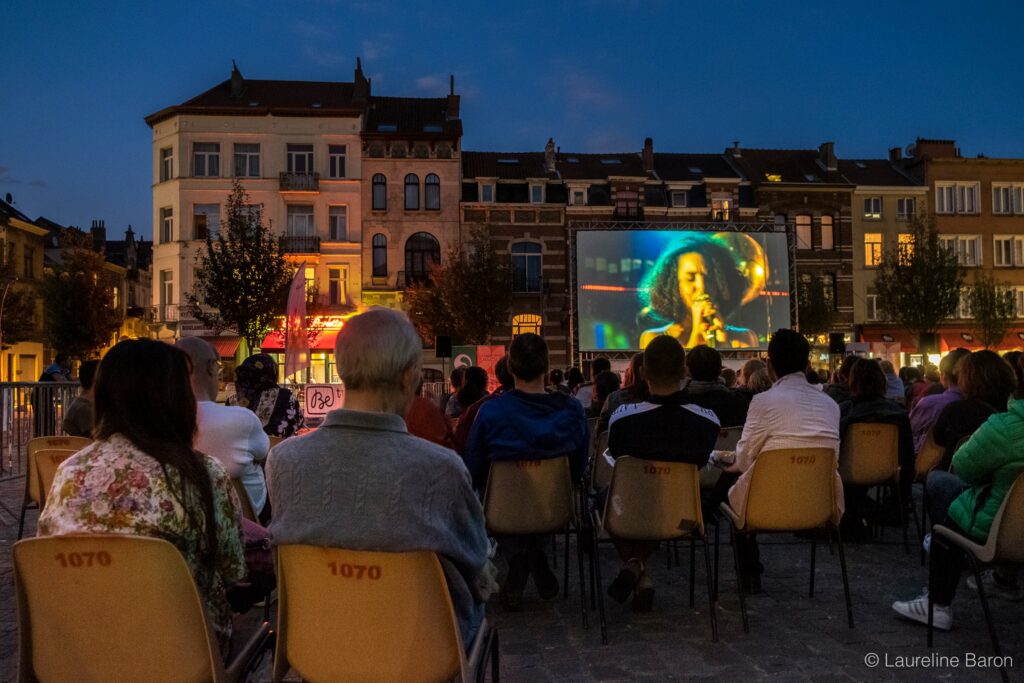
Brussels’ beloved open-air film festival is once again travelling to each of the region’s 19 municipalities every day for the next two weeks, offering free, outdoor screenings for tourists and locals alike.
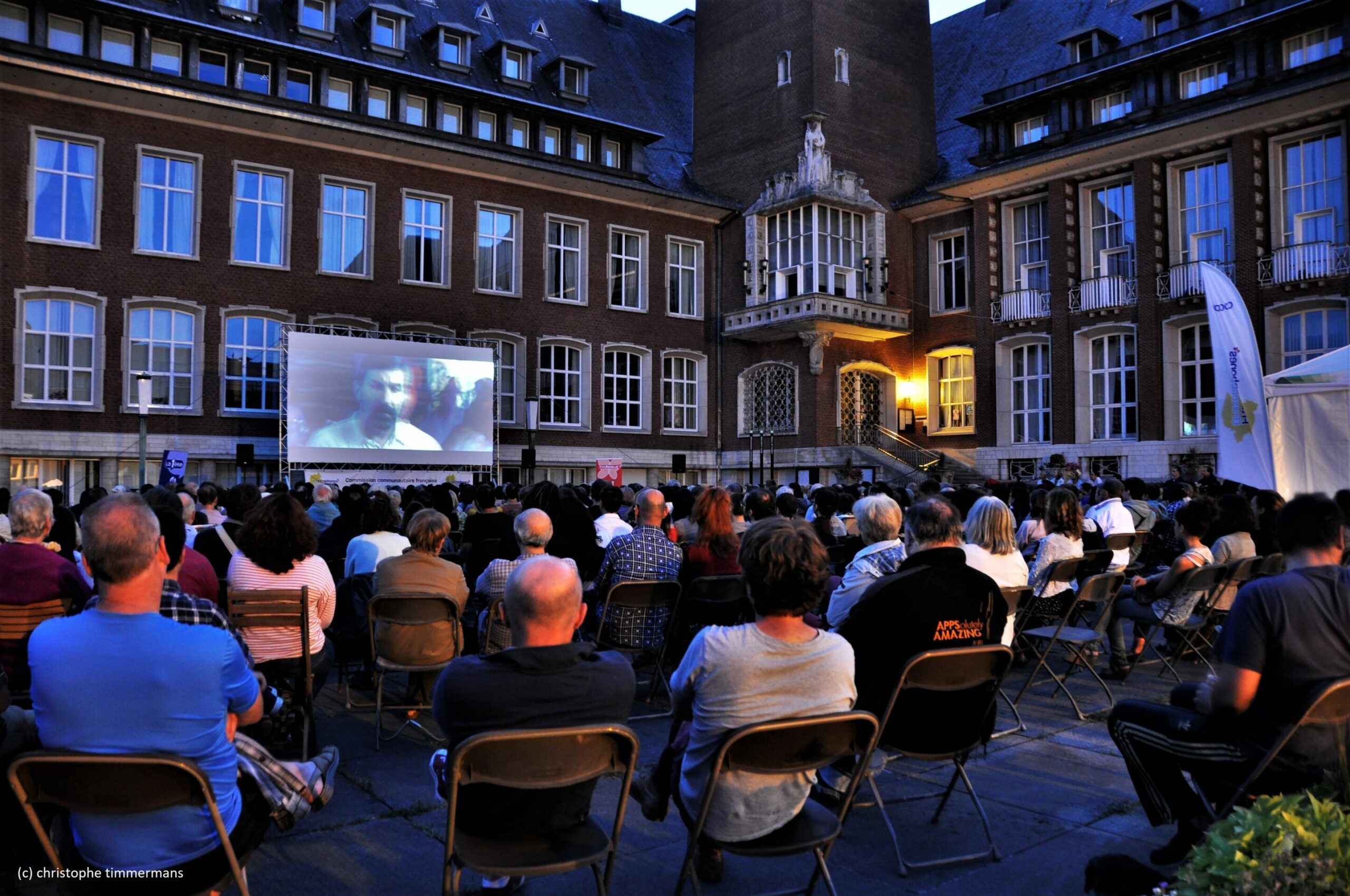
From 27 June to 15 July, ‘Bruxelles fait son cinéma’ is returning to the capital for the 25th time with 19 screenings – one per commune – and an exciting array of Mediterranean films. People can arrive from 21:00 and the films will begin at nightfall (around 22:00). The non-profit organisation Carpe Diem - Vis Ta Vie will have a stand offering drinks, snacks and Mediterranean pastries on some evenings.
Credit: Christophe Timmermans
Launched in 2001, ‘Bruxelles fait son cinéma’ emerged as a continuation of the partnership between the non-profit Libération Films Animation – which aims to promote reflection and debate on major social issues, and recreate social ties – and Brussels’ Mediterranean film festival Cinemamed (hence the programme of films from Mediterranean countries).
“One evening at Cinemamed in December, my colleague decided it would be nice to do an outdoor screening like they do in Mediterranean countries. But as it was December, it was a bit cold. So, he came up with the idea of doing it in the summer, with a Mediterranean programme and the idea of a travelling cinema. That's how it all started,” Marjorie Janssens, coordinator at the non-profit, tells The Brussels Times. Initially, the non-profit brought screenings to three Brussels municipalities, but this has grown year-on-year. In 2024, they finally reached all 19.
Rediscovering Brussels in all its diversity
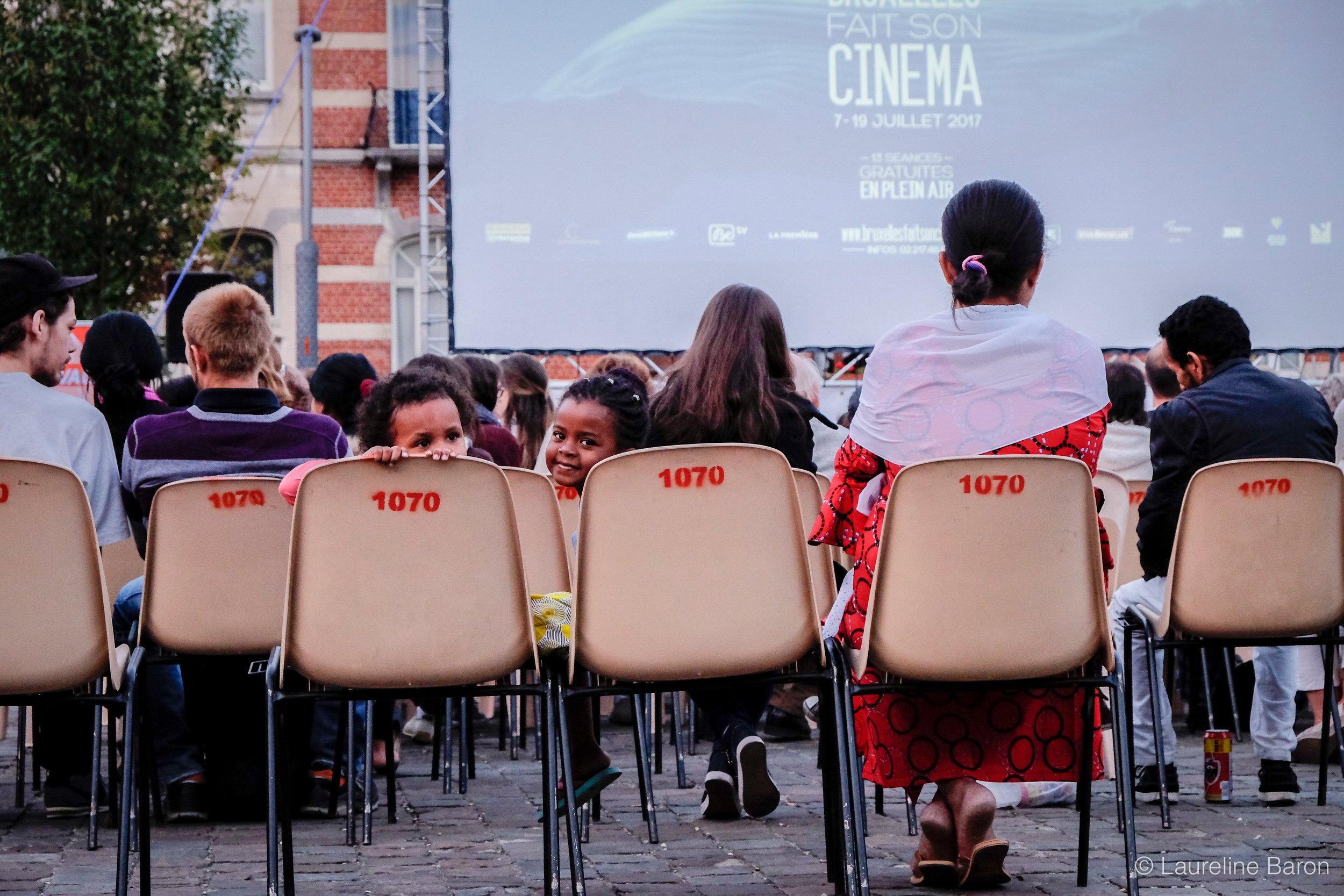
The idea of a mobile open-air cinema was inspired by an old tradition from Mediterranean countries. The screenings give people the opportunity to (re)discover Brussels in all its diversity and explore less-known areas of the city. The festival encourages people to move away from their TV screens at home and into the public space to meet new people of different origins, ages and backgrounds.
For people who no longer go to the cinema very often (or not at all), this is an opportunity to rediscover the pleasure of watching a film on the big screen in neighbourhoods where there are no cinemas, and in a more unusual setting.
Credit: Pierre Wacholder
Come rain or shine
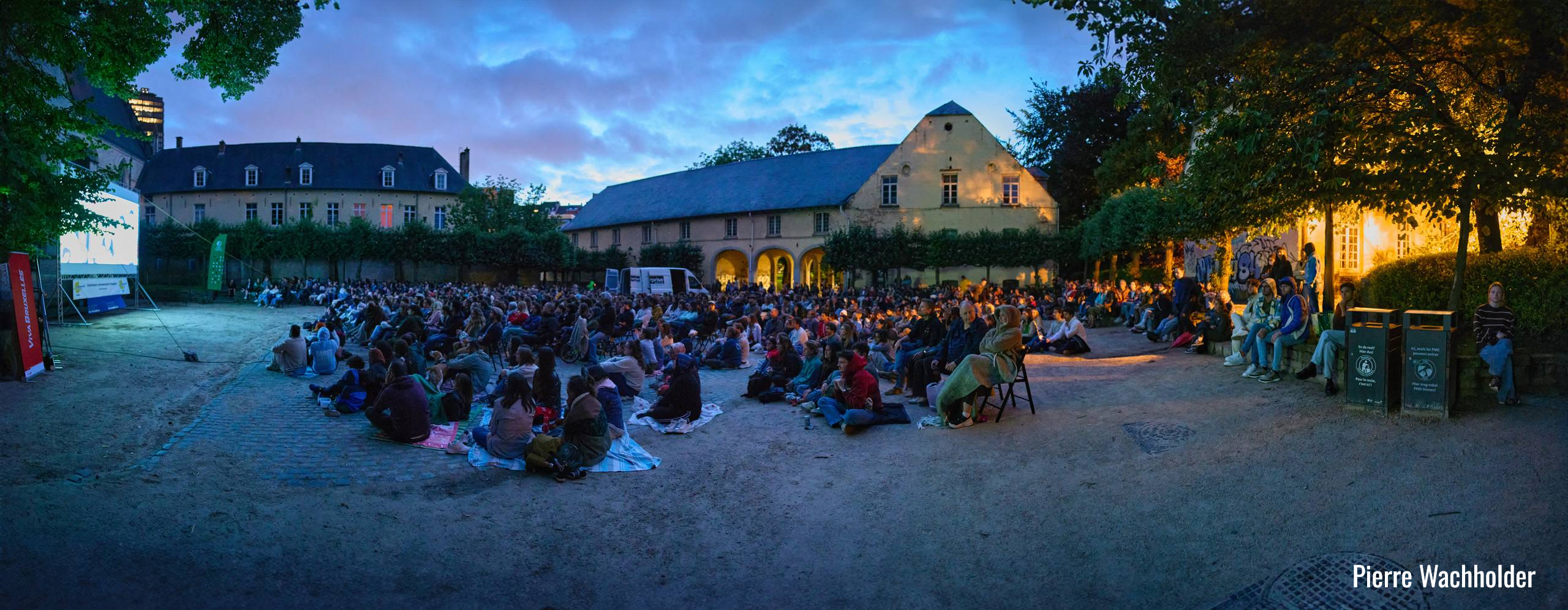
Last year, some 7,500 people attended the festival in total, Janssens says. Depending on the location, it ranges from 250-300 to 750-800 attendees each night. “If the weather stays nice this week, we might even break some records,” she says.
If the weather doesn’t hold up, however – as is often the case in Brussels – the team rarely cancels. “If the weather is bad, we find a solution. But if we have to move indoors, it's still worth going because there's a friendly atmosphere, with all kinds of people coming together to watch a film.”
‘Something for everyone’
The films on the programme aim to introduce a wider audience to quality cinema and screen films that were only given a limited release in cinemas over the past year.
“We watch films on a regular basis, and then make a very selective choice based on the Mediterranean theme. It's completely subjective since there are only three of us in the team. It's really based on what we like, while keeping our audience in mind and thinking about what might appeal to them. We enjoy putting together the programme and including topics that are close to our hearts. In the end, we select around 25 or 26 films, and the municipalities choose the final 19.”
As such, Janssens says she can’t pick a favourite film on the programme. She does, however, highlight ‘Vingt Dieux’ this Sunday: “it’s a very accessible French film and it was one of our favourites.”
Other recommendations include ‘Animale’ in Molenbeek-Saint-Jean, an unusual fantasy western set in the south of France and made by women, the Oscar-winning Palestinian documentary ‘No Other Land’. “It's quite political, and we're really happy to be able to show it for free to a wide audience. There really is something for everyone.”
Credit: Laureline Baron
Keen to maintain the Mediterranean theme, the team also wants to diversify, with more niche, arthouse films but also more mainstream films. “Over time, we've continued to pay particular attention to films by women, and we have films that are a bit more socially-conscious.”
Unlike Cinemamed, the open-air festival is unable to host post-film debates due to the large audiences of at least 300 people, and because it gets too late: “we have to wait until nightfall to start the films, so we often finish around midnight.”
As in 2024, the festival will once again be screening three Belgian short films before the evening screenings in Saint-Gilles, Uccle and Watermael-Boitsfort, in addition to the usual feature films.
Janssens recommends those interested in attending venture outside their neighbourhood to discover a different area of Brussels. “It's interesting not to go to your own neighbourhood to see a film, but to go somewhere else to discover a place you wouldn't normally go to. Because I think we all live in our own corner of Brussels. And we don't necessarily discover the other side of the city. You can travel around Brussels just by following us, and daring to go and see films elsewhere.”
Find more information here.
