
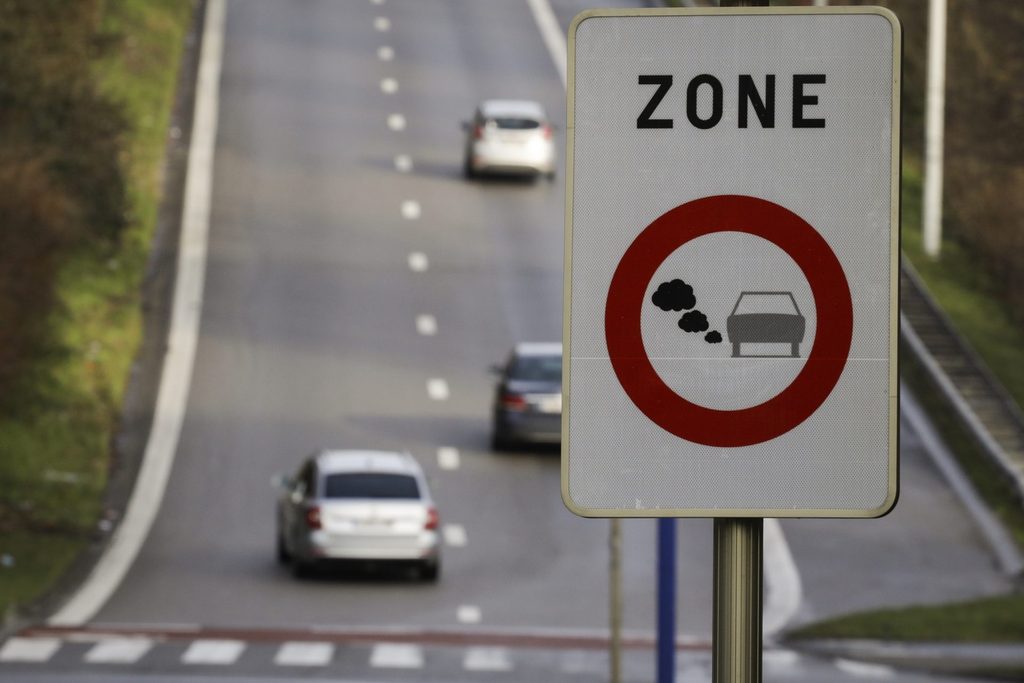
Despite falling short of some air quality targets, air pollution in Brussels is on the decline, partly due to the Low Emission Zones, according to a study by the Regional Environment Administration, Brussels Environment.
Poor air quality is a significant health hazard. Last year, it was associated with over 4,000 premature deaths in Belgium, according to the Interregional Environment Unit (CELINE).
Since 2018, to tackle pollution in Brussels, certain vehicles deemed too polluting have been restricted or forbidden from entering specific marked-out areas, dubbed Low Emission Zones (LEZ).
Among the main pollutants from road traffic emissions are nitrogen oxides. Between 2018 and 2024, the traffic emissions of these pollutants dropped by 55%, with nitrogen dioxide (NO2) concentrations falling by around 45%.
In the same period, the emissions of black carbon and fine particulate matter (PM2.5), which also pose health risks, dropped by 62% and 33%. The changes are calculated based on a constant volume of traffic.
Electric change
In addition to gradually restricting the number of very polluting vehicles in the capital, the use of LEZ has also accelerated changes in the types of cars driven in the Region.
Brussels Environment highlighted an increase in the share of electric cars on the roads, particularly among company cars, partly due to changes to tax incentives.
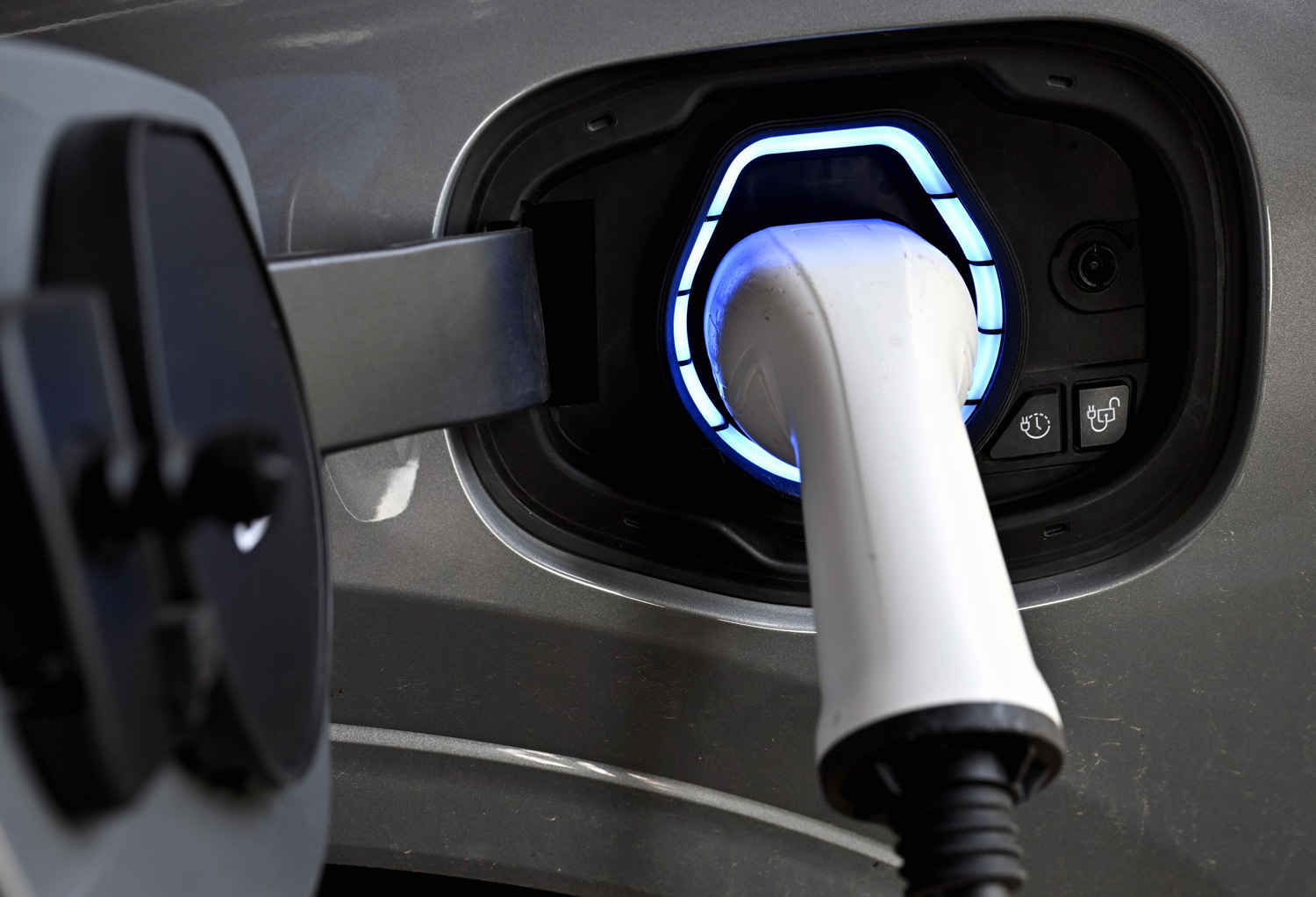
A person charges a hybrid electric vehicle. Credit: Belga/Eric Lalmand
While private individuals remain relatively reluctant to go fully electric, Brussels Environment expects this to change in the future as the number of charging stations is set to increase.
The administration also noted that changes in modes of transport may have contributed to the decline in pollution, although this was not quantified in the report.
Missing targets?
While Brussels meets current European health standards for the main pollutants at the official measuring stations, the concentration of NO2 falls short of the targets in certain areas.
With new targets to meet in 2030, Brussels Environment admitted that the Region needs to step up its efforts to achieve cleaner air.
The LEZ rules are set to tighten from 1 January 2026, after the Constitutional Court suspended a 2024 decision to postpone the next phase of the initiative.
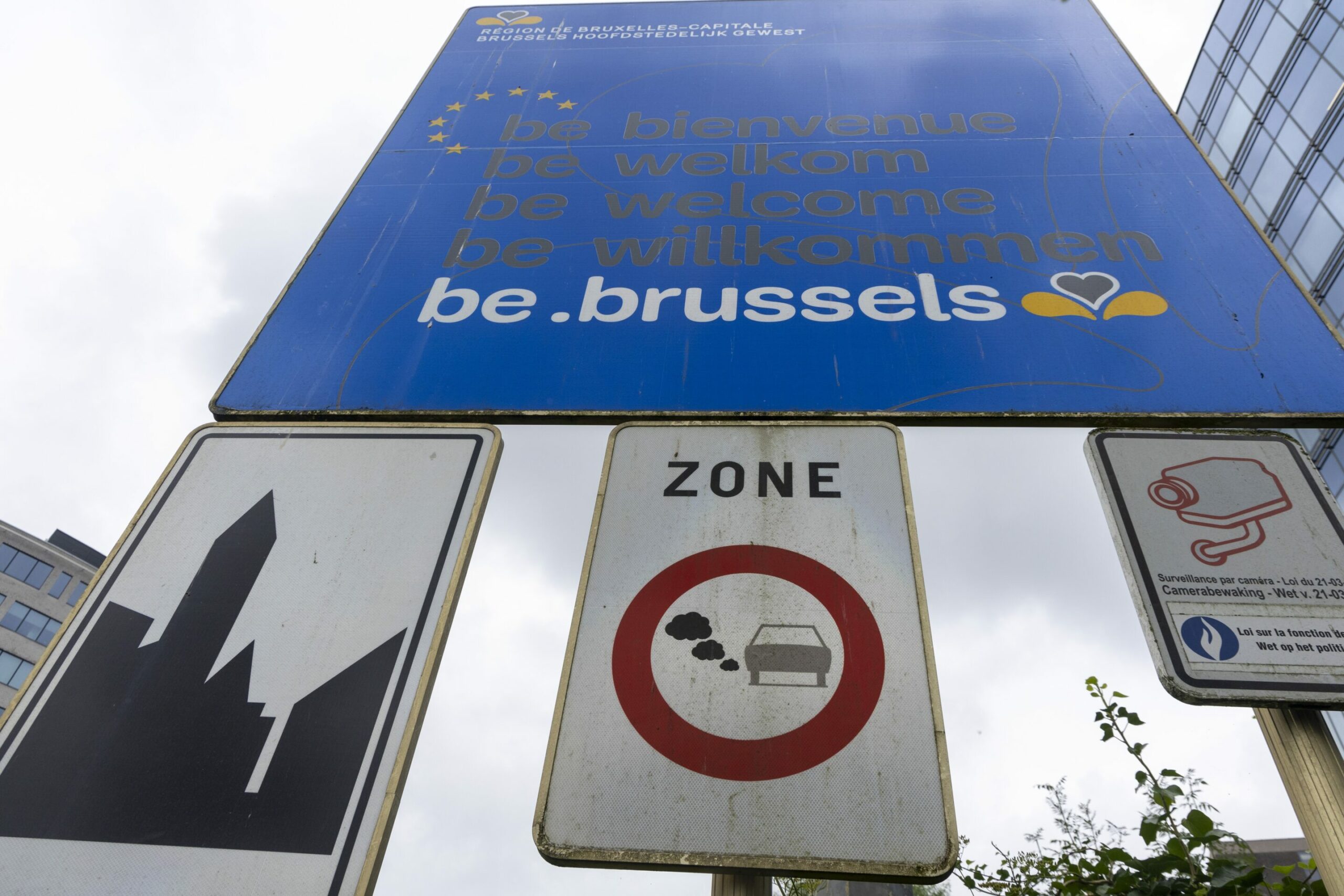
A sign of the low emission zone in Ganshoren, Brussels pictured on Wednesday 04 September 2024. Credit: Belga/Nicolas Maeterlinck
The new rules mean that EURO 5 diesel and EURO 2 petrol vehicles, as well as petrol motorcycles that don’t meet the EURO 3 standard, cannot circulate in the capital.
The restrictions are set to affect around 8% of the vehicle fleet currently in circulation in the Region.
Drivers with forbidden vehicles caught circulating in Brussels next year will first receive a warning letter. A fine will be issued in case of a further offence three months later.
An awareness campaign is planned for November and December to inform drivers.
Related News
- Europe must 'take care of itself', warns WHO
- Brussels air quality still not fully compliant with health standards
- Poorer people unfairly impacted by Low-Emission Zone, says Brussels ombudsman
- EU risks promoting alcohol via 'misleading' label, says Belgian Health Ministry
- ‘I was told it was flu’: Late sepsis diagnosis puts lives at risk
- Low Emission Zones: What are they and what fines do drivers risk?
