
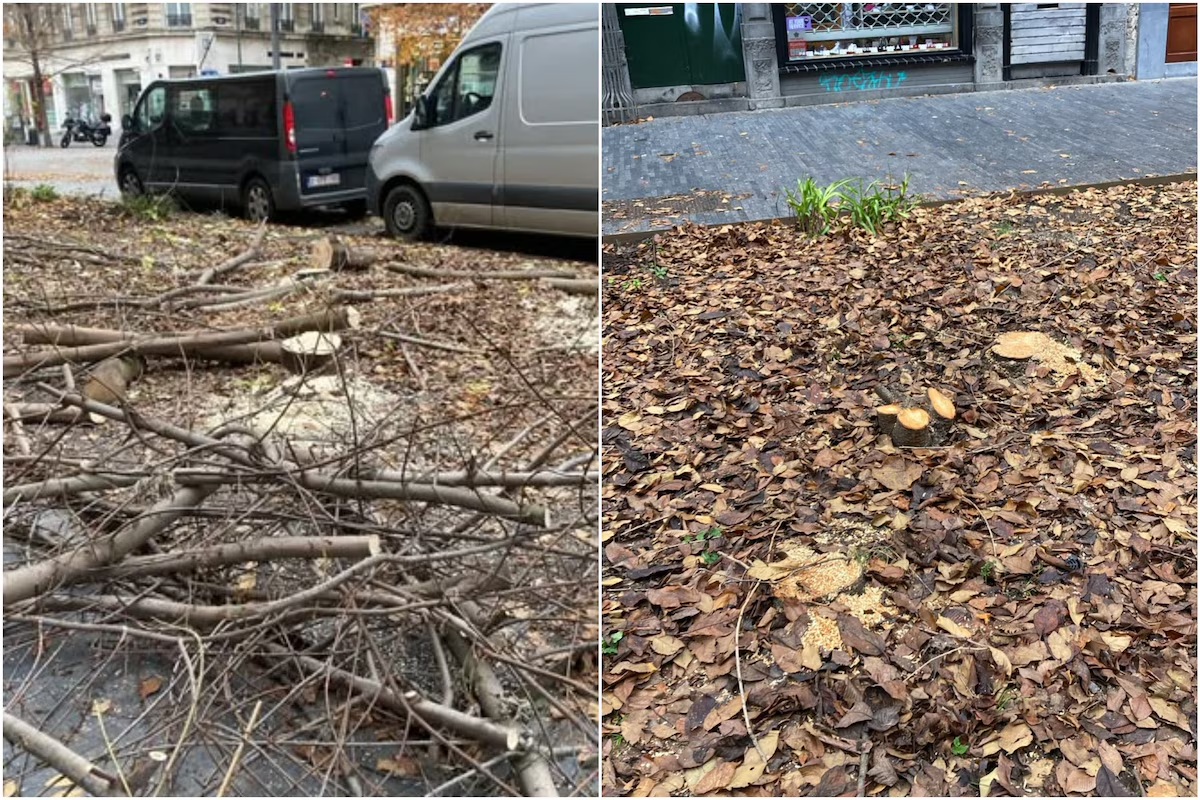
Tree pruning along the pedestrian zone in central Brussels has sparked concern among area residents, but city officials assure that the trees are not being sacrificed.
The operation is part of an effort to restore neglected green spaces, with a focus on rebalancing overgrown vegetation after six years of unstructured maintenance, the City says.
The trimmed trees are multi-trunk species capable of rejuvenating quickly after deep pruning, according to alderwoman Florence Frelinx (Mouvement Reformateur, MR).
Reducing excessive shade, revitalising the space
This approach is aimed at reducing excessive shade, promoting undergrowth, and revitalising the space with new plantings, she explained.
The operation also seeks to improve pedestrian safety by enhancing lighting. At the request of the police, thick vegetation obstructing light has been cut back to ensure better illumination.
The work marks the beginning of a broader redevelopment effort that will unfold over several weeks, Frelinx explained. Central to the project is the goal of transforming the pedestrian area around Boulevard Anspach into a green haven in the heart of the Belgian capital.
25,000 new plants to be added
Future stages will include the planting of 25,000 new plants as part of a comprehensive urban strategy to refresh green spaces and improve city life.
Measures include discouraging electric scooters in the area, redesigning terraces, improving cleanliness, and enhancing overall maintenance.
The newly pruned trees will be maintained at a height of around 1.5 metres as they regrow over time, according to the City.
Ecolo deplores the removal of healthy shade trees
Not everyone is convinced by the City's reassurances, however.
"This is not simply a matter of pruning to renovate flower beds, improve lighting, or enhance safety," commented Ecolo's Benoit Hellings. "These were healthy, very large trees that posed no danger to walkers and residents—quite the contrary! "
These large trees that have now disappeared played a role in regulating temperature and providing natural shade," he added.
