
On a sleepy side street in Molenbeek-Saint-Jean, behind an imposing, rusty door, lies Brussels' Migration Museum. Walking through the cobbled courtyard, past the brightly coloured mural to the entrance, the first sight you’re greeted with is a long list of names creeping up the staircase, representing all the museum's visitors – a snapshot of Brussels and a flavour of what to expect between these four walls.
"This is a museum of life stories. People see and recognise their own stories when reading others," museum curator Johan Lemane tells The Brussels Times. "You have your story: you can be proud of it. Your past is part of your present."
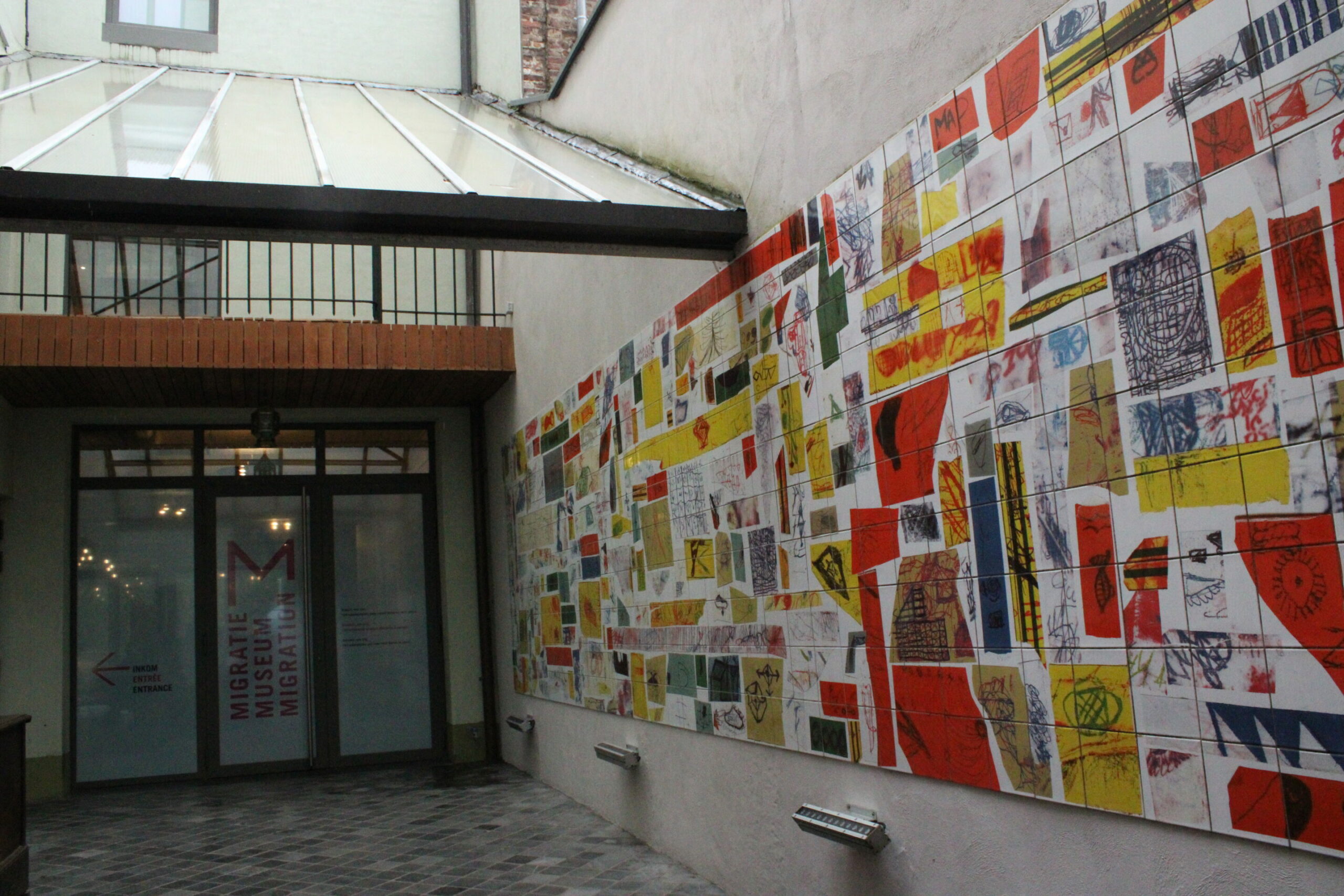
The museum entrance. Credit: Isabella Vivian / The Brussels Times
Lemane, 79, from West Flanders, heads the project and describes it as a "full-time job". A retired KU Leuven anthropology professor, he speaks French, Dutch, Italian and English on any given day at the museum.
The Migration Museum was initially established in October 2019 to celebrate the 50th anniversary of Foyer, a non-profit in Molenbeek which focuses on social cohesion. Lemane, who is also president of Foyer, says this is not a typical museum, but rather a "bottom-up project", starting from the life stories of people who live in Brussels.
"The problem of museums today is that they have no contact with some parts of the population. But we have it."
A museum for everyone
Through hundreds of intimate interviews, each compressed into a few short paragraphs, the museum maps Brussels' diverse international landscape, the nationalities which have come and gone and the ever-changing nature of the city's social fabric.
In the 1970s, for instance, the infamous Cureghem area of Anderlecht – now known as a hotspot for shootings and drug feuds – was a Sicilian district. Place Bara, near Brussels-Midi, was predominantly Jewish after the Second World War, while the area surrounding Brussels-North station was also once filled with Greeks. And there are countless more examples plastered to the exhibition’s walls.
The museum is therefore a "process" to reflect the city's demographic developments and how the districts have changed over time, the curator says.
Lemane says he wants people to learn something when they come here, and "feel some empathy", pointing to a timeline of migration on one side of the room on the first floor.
The array of pastel pink and blue panels, which offers information in French and Dutch with an English audio guide, initially began after the Second World War.
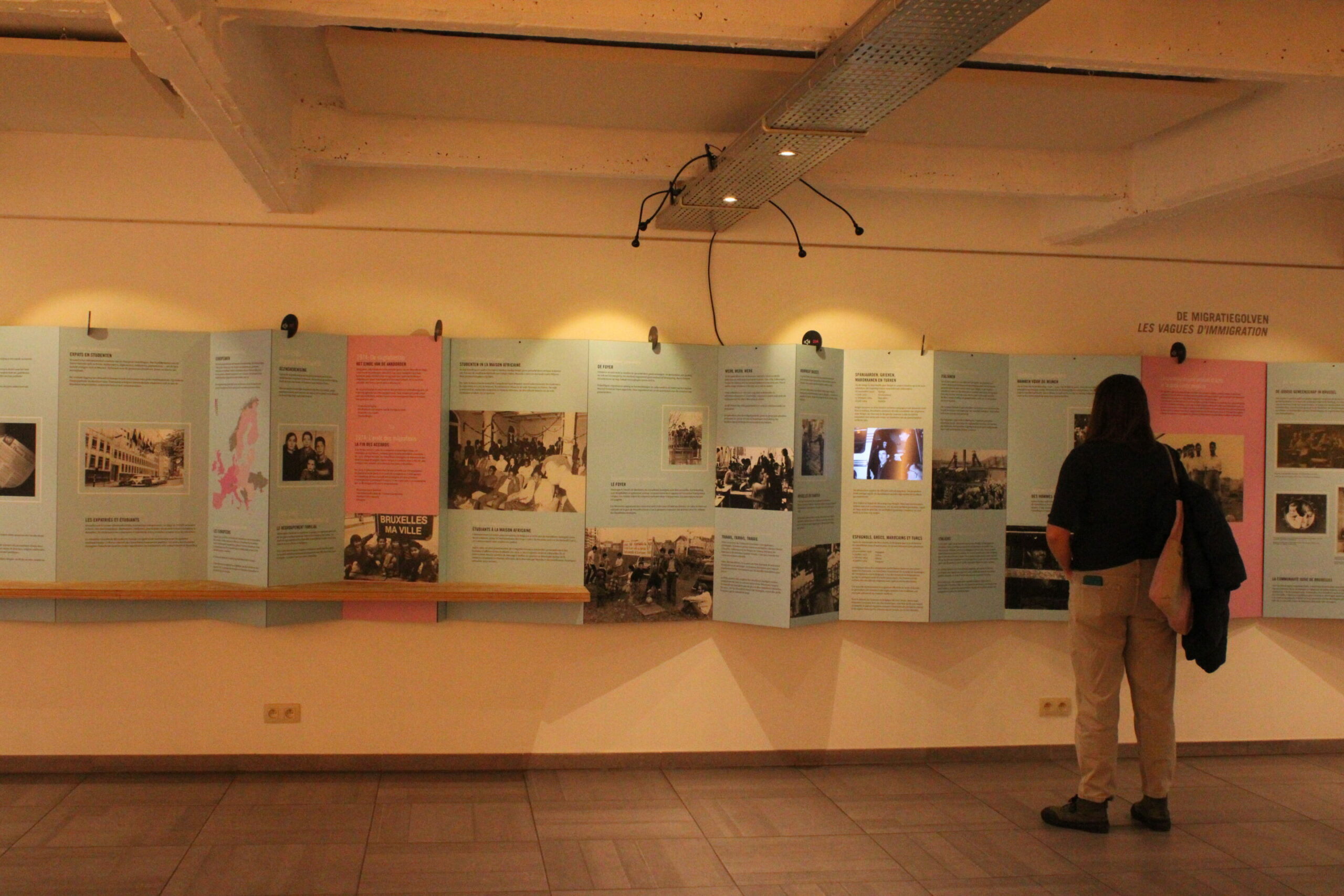
The timeline of migration. Credit: Isabella Vivian / The Brussels Times
However, after some Jewish visitors said they felt their history wasn't represented, the team retroactively added stories of migration dating back to the 19th century, including the influx of Flemish and Walloon populations and the industrialisation of the Brussels canal.
The timeline has grown over the years and now features the arrival of Eastern Europeans, EU expats, and the recent refugee crisis. Preparations are also underway for a new exhibition on Italian migration post-2000, for which Lemane has already interviewed 45 people (and counting).
"If someone asks me, 'where are we?', then we'll add them," Lemane says, determinedly. "Brussels is a mosaic of small communities, where everyone can find their place."
He wants the museum to be representative of the entire city. With all the stories still to come, he imagines it'll be a different museum entirely by 2030.
Personal accounts of Brussels residents from all walks of life take centre stage on wooden pillars in the middle of the room, each cabinet filled with photos and memories. Hours can be spent here reading each person's unique journey to Brussels.
When asked if Lemane has a favourite story, he says no: "They are all my favourites."
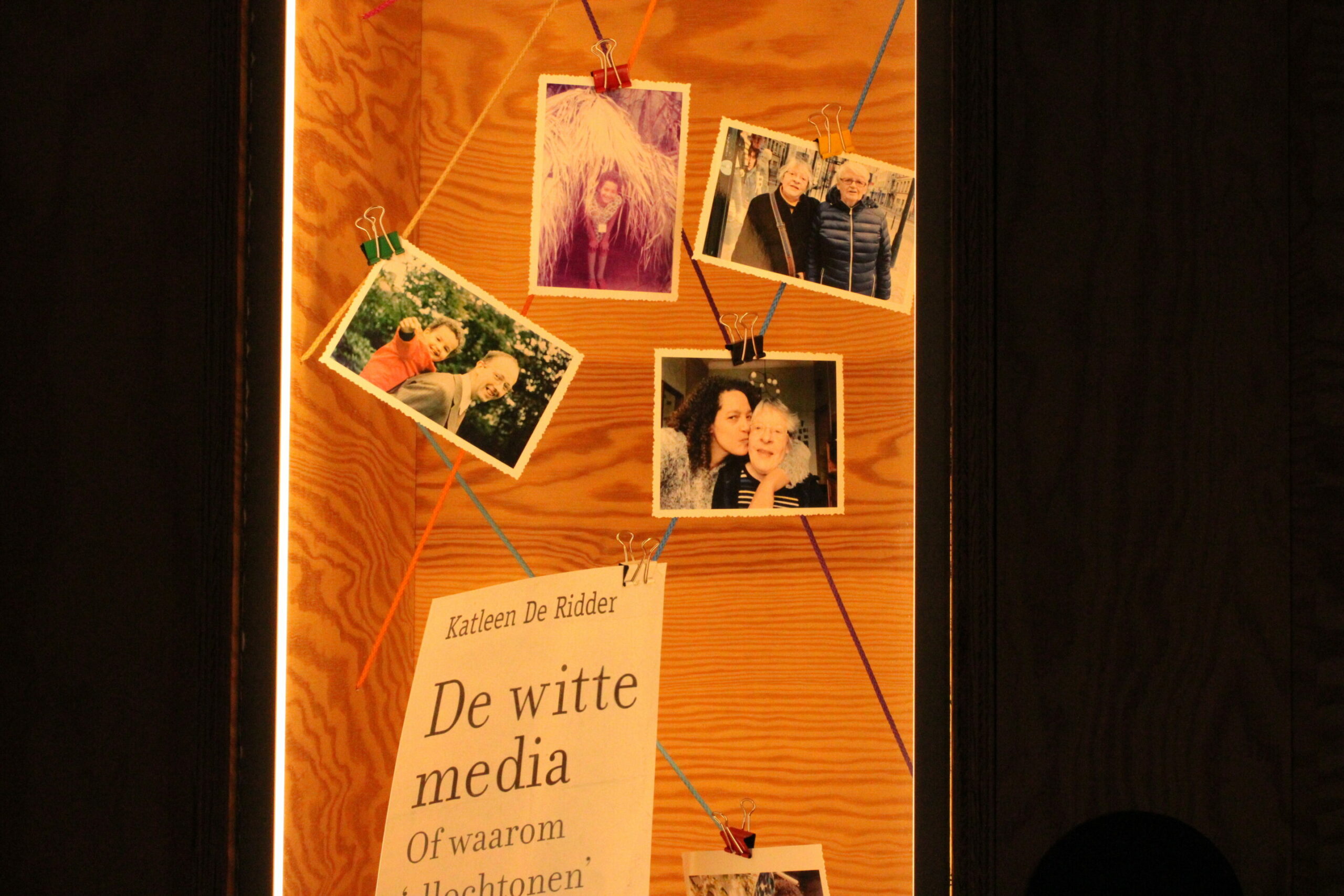
Credit: Isabella Vivian / The Brussels Times
Shattering stereotypes
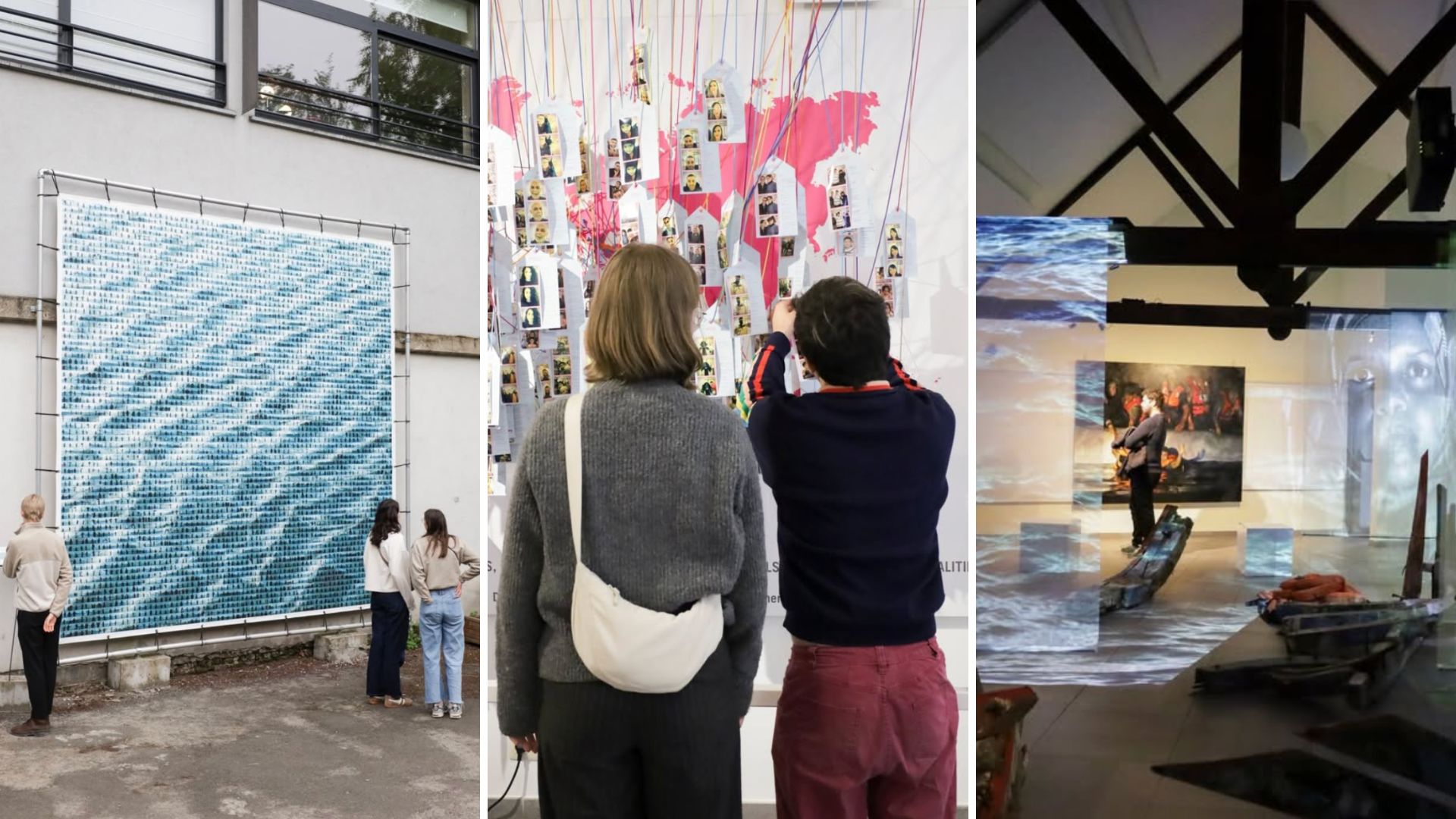
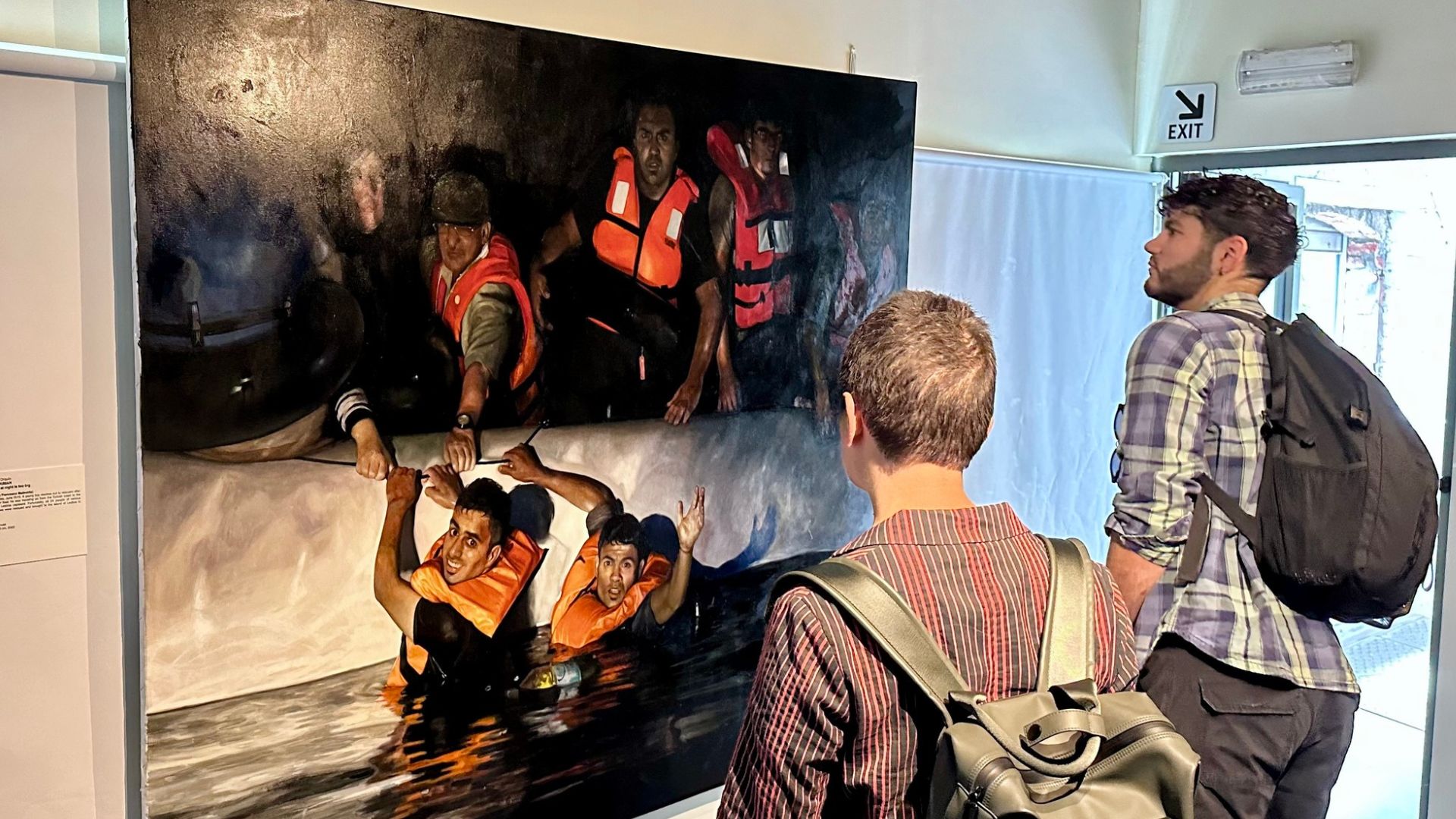
The second floor tells a different story of migration, that of refugees fleeing war and persecution in search of a better life in Europe. Wooden planks from small boats are in the spotlight here, with atmospheric ocean sounds, shimmering sea-like projections and life jackets.
The poignant installation represents the wider refugee crisis and the side of migration which has become particularly provocative in politics and the media in recent years.
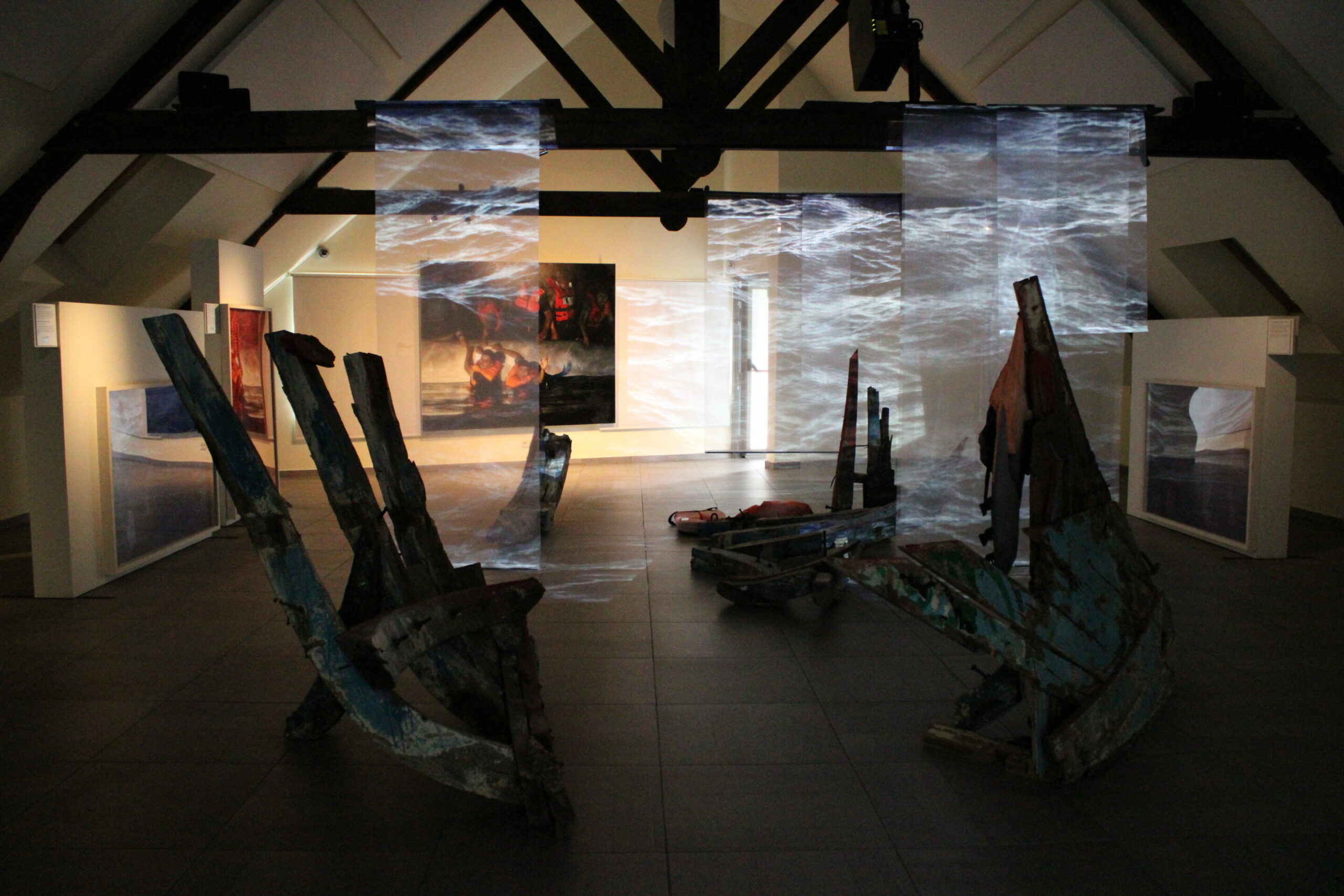
The second floor of the museum. Credit: Isabella Vivian / The Brussels Times
Across Europe, governments are cracking down on migration in response to growing anti-immigration sentiments across the continent. With its negative connotations, just the mention of 'migration' can instigate a heated debate.
So does having the word 'migration' in the museum’s name dissuade some from visiting? Apparently not, according to Lemane.
"People have come to the museum with a more negative perception of migration, and left feeling that it is a positive thing for society," he says. In this way, the museum challenges people’s preconceptions and breaks down stereotypes.
He uses examples of people assuming all Muslim women wear headscarves, or that Roma people are anti-LGBTQ, but then seeing stories of people who don’t fit into these boxes.
Lemane recognises, however, that the museum's impact is limited and can only do so much to shape the wider migration debate.
"I have to be realistic. I don't think we have much impact on politics. I was myself in this world in the late 1980s and 1990s, working on integration policy," he says, referring to his time spent as chief of cabinet of the Royal Commissioner for Migrant Policy under former Prime Minister Jean-Luc Dehaene.
"As a museum, we have to recognise that our impact may only be very indirect."
But even if he has no tangible impact on policy, he still believes he is changing public perception, little by little.
Credit: Migratie Museum Migration BXL
Bridging the gap
The project, which isn't subsidised by the region and relies solely on ticket sales and donations, started with 300 interviews and has grown exponentially, now welcoming some 20,000 visitors annually. With an extension planned for this year, the surprisingly small team are hoping to increase their numbers to 30,000.
French- and Dutch-speaking school visits make up 50% of visitor numbers. But recently, there have been some more unexpected visitors.
In one of Brussels' police zones, all new staff are brought to the museum for a morning. "That's an agreement we have; they proposed it," Lemane says, adding that judges have also recently told him they want to do the same.
The curator was approached by a Molenbeek police officer, who felt a growing gap between young people and authoritative figures in his local area.
Many officers come from outside Brussels and are therefore lacking crucial context needed to work in the capital’s communities and forge relationships with locals. Learning about the different neighbourhoods and people living in them through the museum was the first step to bridging the gap.
The team at the museum gives the officers a proper introduction to the community, invites young people to meet with them and have constructive discussions about how to improve relationships between the police and community.
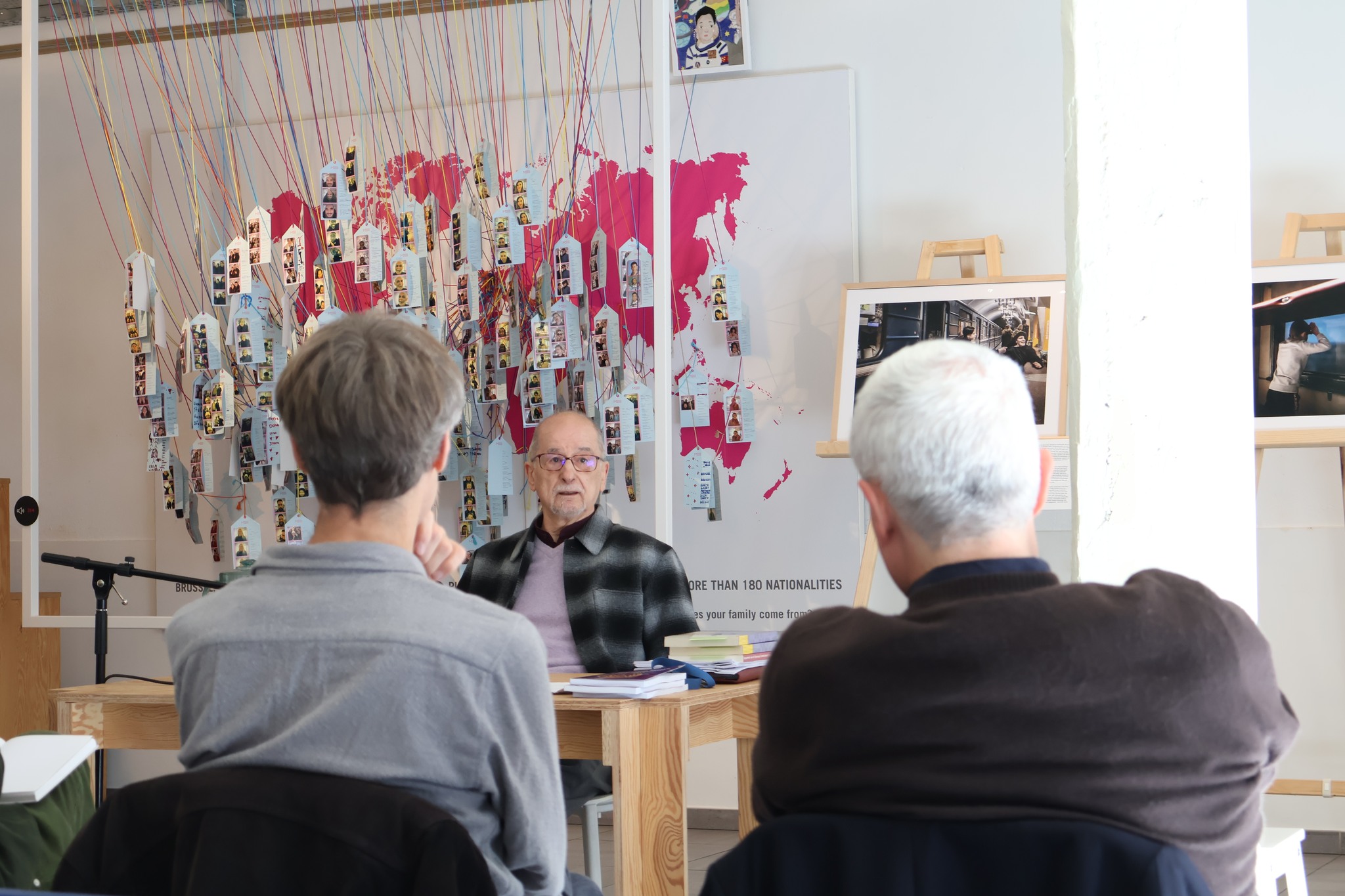
Johan Lemane pictured speaking to visitors. Credit: Migratie Museum Migration BXL
Why does Brussels need a migration museum?
From Magritte and musical instruments to comic strips and Art Nouveau, Brussels' cultural scene is already booming. Why does it need a migration museum too?
"If there is one city in Belgium that is a migrant city, it is Brussels," says Lemane. "Only some 20% of residents are born in Brussels. They are not all migrants from other countries, but Brussels is a typical place where most people come from elsewhere."
The Belgian capital is also particularly unique in that it encompasses all facets of migration, while cities such as Charleroi have only seen one type of migration over the years: people who came to work in the coal mines.
"In Brussels, you will find all categories of people. But there's a lot of similarity between all these people, more than they think sometimes," Lemane says.
People wanting to see Brussels can visit Bozar or Horta in Saint-Gilles, he adds, but if they really want to understand Brussels, then the Migration Museum is the place to be.
