
Convicted murderers, drug traffickers and people linked to terrorism all figure on a non-exhaustive list of fugitives who have managed to stay one step ahead of Belgium's federal police. But, as the police said, "fugitives can gain time, but they never gain oblivion."
At 74, Vladimir Cheremet might look very different today from the man in the photograph Belgian federal police have on file. So different, in fact, that police have sketched an age-progressed portrait imagining what he might now look like.
The Latvian national was sentenced to life in prison for murder by the Flemish Brabant Assize Court on 20 June 2007. Cheremet committed a cold-blooded robbery and murder in Londerzeel, shooting a fellow Latvian four times for $40,000.
Nearly two decades after his conviction, he is still on the run.
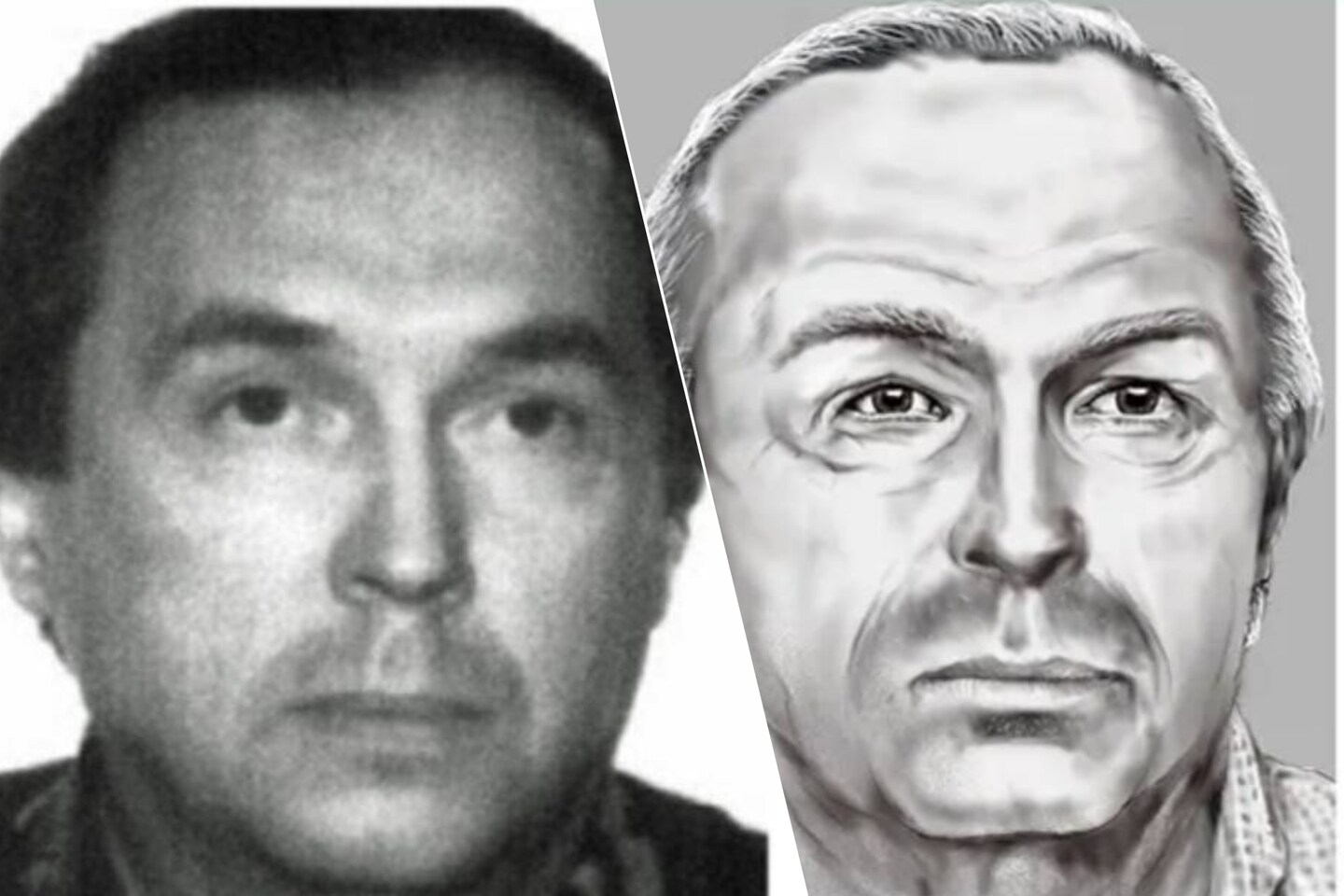
Left: Vladimir Cheremet. Right: a sketch showing what he may look like today. Credit: Federal Police
Cheremet figures on Belgium's Most Wanted list, a catalogue of fugitives shared by federal police with members of the public as an operational tool. The purpose is to seek the public's help and to break the anonymity a fugitive might have enjoyed for several years. Importantly, the list is non-exhaustive; only 20 faces appear on it today.
On the list are prisoners who have physically escaped jail or fail to report to prison after being convicted, prisoners who disappear during leave, people who breach the conditions of their release, escaped internees and people wanted abroad who are believed to be hiding in Belgium; all are most wanted.
Niels Petit, who spearheads the federal police's Fugitive Active Search Team (FAST), told The Brussels Times that Belgium is actively handling around 800 cases, most of which concern people convicted of serious crimes.
But why choose 20 out of 800 cases to go public?
The choice is deliberate, said Petit. Limiting the list helps FAST maintain the impact a Most Wanted list has by keeping the public's focus on cases where a small hint from an ordinary person could make a big difference.
Some tips received after publication often help confirm a fugitive's presence in a particular area, identify a contact, vehicle, or place where they are staying, or even directly locate the wanted person, he said. Even a partial piece of information can sometimes provide the missing element detectives need to move a case forward.
This happened with Steve D.M. The 44-year-old dangerous internee was placed on the list after escaping during a supervised bicycle ride in Burcht (near Antwerp) in May. A tip from a member of the public helped police locate him over 80 km away in Hasselt (in Limburg), where they arrested him less than 24 hours after the appeal was published.
Running away from justice
While it is difficult to single out one case that perfectly embodies the laborious tasks of FAST, the oldest cases often best illustrate the complexity of the team's work.
One such case concerns Wilhelmus "Wim" Beckmann, a Belgian-Dutch national born in 1958, who was convicted in 2024 by the Antwerp Assize Court of murdering his partner in Merksplas in 2008.
According to the Federal Police, Beckmann killed her before staging a violent robbery. He then attempted to set fire to the villa to conceal her body and the gunshot wounds.
He was convicted of murder and intentional arson, but by the time the sentencing happened, Beckmann was nowhere to be found. Years after the killing, he remains on the run.
Police have also produced an age-progressed image showing what he may look like today, but "he seems to have vanished", Petit said.
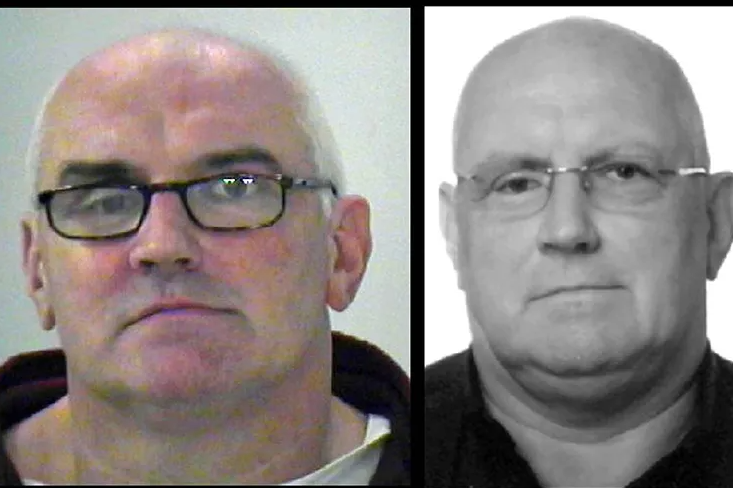
Wilhelmus "Wim" Beckmann killed his partner and staged a violent robbery and attempted to burn the villa down to conceal his partner's body. Today, he is still on the run. Credit: Federal police.
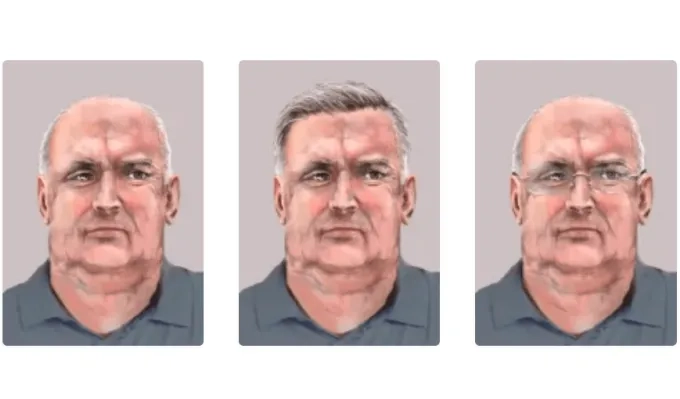
A sketch of what Wim Beckmann might look like today. Credit: Federal police.
Several hypotheses are on the table: the man might have moved to another country, his trail might have gone cold, or he might have changed his lifestyle with the help of others.
That is also the case of terrorism runaways, as in the case of Hicham Chaib, a former leading member of Sharia4Belgium and one-time bodyguard and right-hand man of its founder Fouad Belkacem; Chaib left Belgium for Syria, where federal police say he later joined the ISIS terrorist group.
Police said he encouraged terrorist acts and threatened attacks; in October 2021, the Antwerp Assize Court sentenced him to 15 years in prison and ordered his immediate arrest.
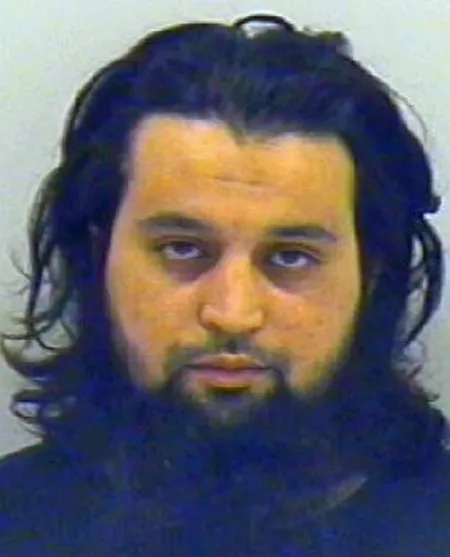
Hicham Chaib. Credit: Federal police.
Another case is Fehriye Erdal, a Turkish national and member of the communist Revolutionary People's Liberation Party/Front DHKP-C. The group claimed responsibility for a 1996 attack at Istanbul's Sabanci Centre, in which three people were killed.
Tried in Belgium under the principle of universal jurisdiction, Erdal was found guilty of murder in absentia in February 2017 and sentenced to 15 years in prison, with an order for her immediate arrest. She remains on the run to this day.
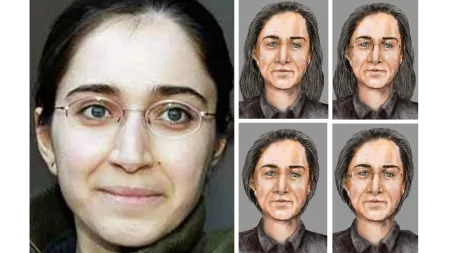
Fehriye Erdal. Credit: Federal police.
For that reason, FAST might also have to operate across several jurisdictions, turning what begins as a national query into an international manhunt.
Another was Serbian national Veselin Vukotic. Now in his late 60s, Vukotic was sentenced to life imprisonment for the murder of Enver Hadri, who was the chair of the Human Rights Committee 'For Kosovo', who was shot dead in his car in Brussels in 1990.
Vukotic and his accomplices were first convicted in absentia in 2016, with the jury finding that they had acted on orders from the Yugoslav secret services. After appealing the conviction, Vukotic was again sentenced to life imprisonment by the Brussels Court of Assizes on 29 January 2025.
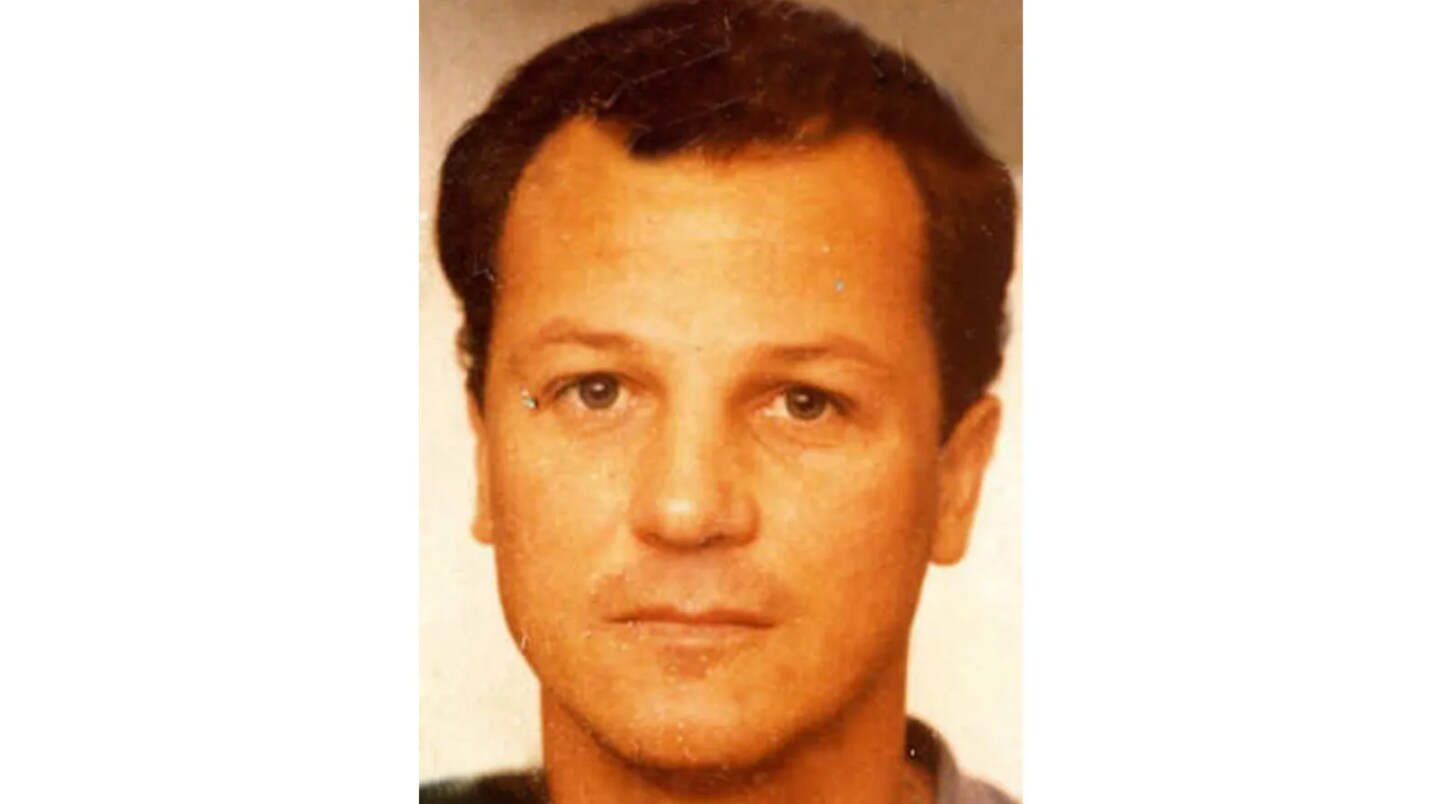
Veselin Vukotic. Credit: Federal Police.
Steven Achten, a Belgian national born in 1980, was sentenced by the Antwerp Court of Appeal in January 2021 to eight years in prison for attempted murder.
In February 2015, Achten fired several shots at Johannes, the 41-year-old former husband of his Thai girlfriend, in Hechtel-Eksel. The victim was hit in the chest, thigh and abdomen but survived the attack.
Achten's girlfriend was later convicted of attempted murder, while Achten fled and has remained on the run ever since.
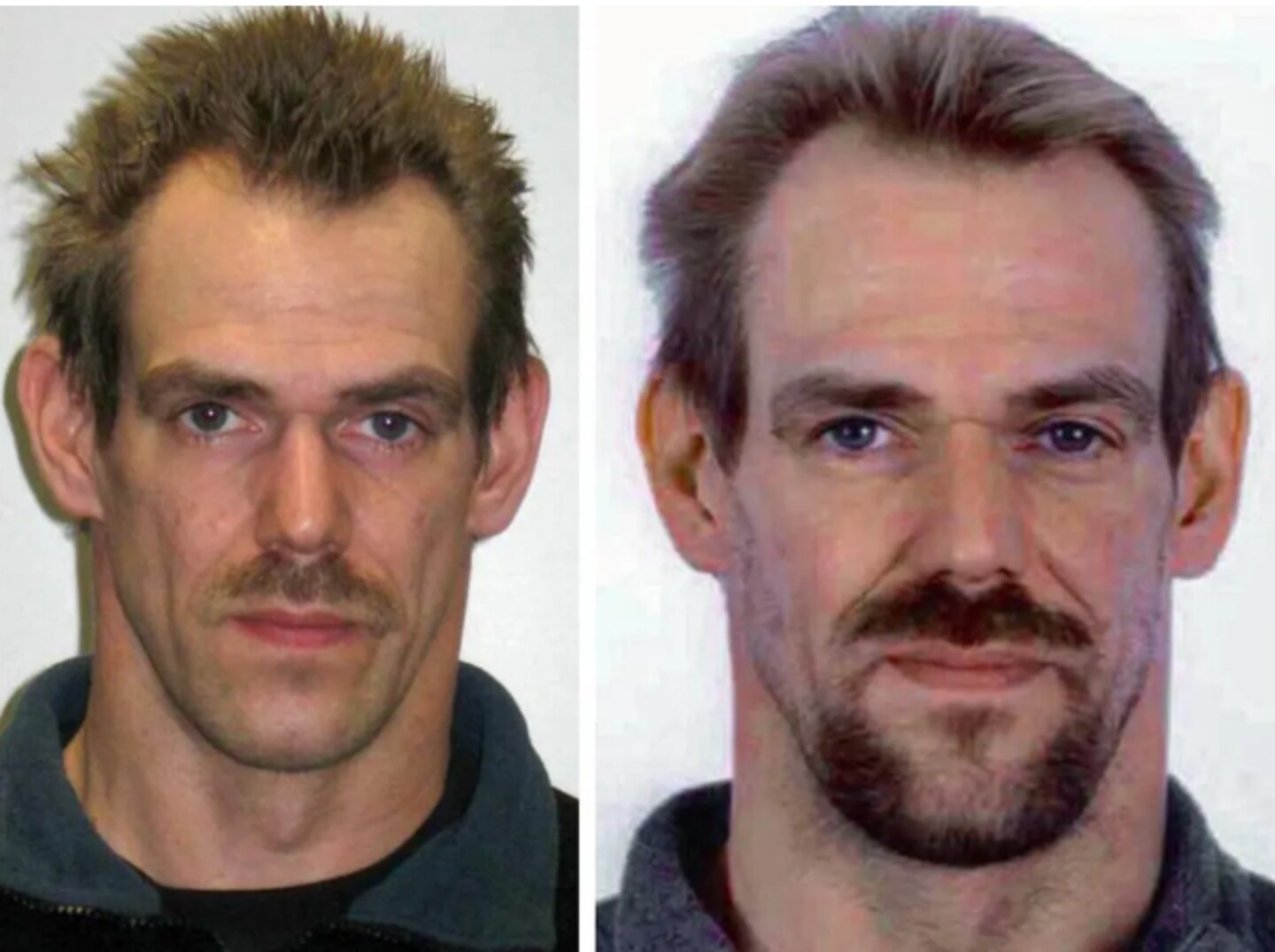
Steven Achten was sentenced to eight years in prison for attempted murder in 2021. He is now on Belgium's Most Wanted. Credit: Federal Police
Then there is Zakaria El Kasmioui, born in 1996. The Antwerp Criminal Court sentenced him to ten years in prison in June 2022 for illegal drug trafficking.
El Kasmioui, 29, known as 'Piwi', reportedly rose through Antwerp's criminal underworld at a young age, leading a gang that imported large quantities of cocaine through the port.
He reportedly earned up to €1 million per shipment. El Kasmioui remains on the run and was previously believed to be hiding in Morocco or Dubai.
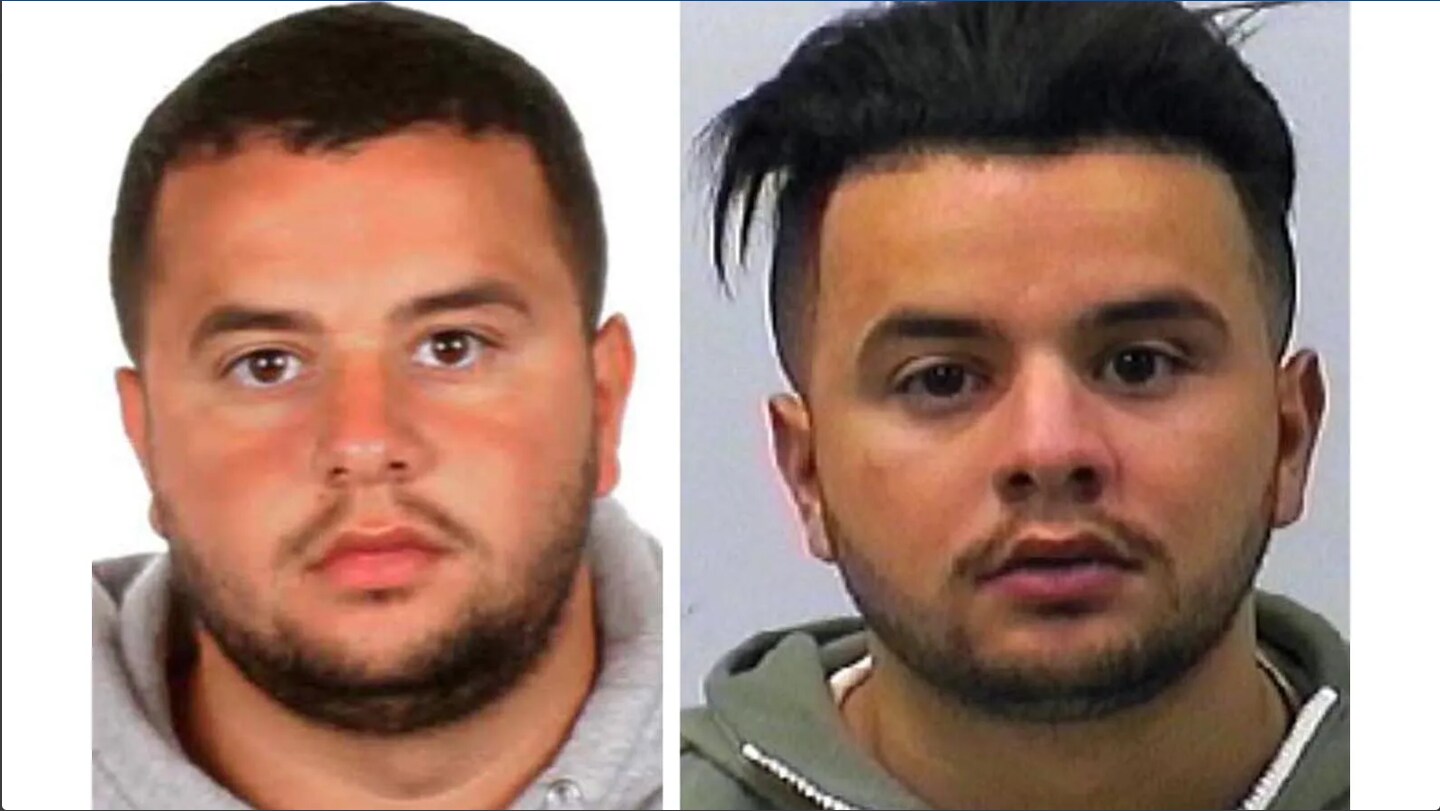
Zakaria El Kasmioui was sentenced to ten years in prison for drug trafficking in 2022. He remains on the run and has recently been added to Belgium's Most Wanted list. Credit: Federal Police.
Belgian detectives also work with police abroad, including through the European Network of Fugitive Active Search Teams (ENFAST) and Europol.
Their work goes beyond clearing an old police file, Petit said. It confirms to victims and their relatives that the case is not consigned to oblivion; justice will be served, and running away from the justice is not the same as getting away with it.
The non-exhaustive Most Wanted list can be found here.
