
The European Parliament has backed calls for a greater recognition of burnout and other psychosocial conditions on Tuesday.
The approved report by Belgian MEP Estelle Ceulemans (PS/S&D) called for burnout and other psychosocial conditions to be recognised as occupational diseases across the EU. Currently, most EU Member States, including Belgium, classify these mental health conditions as work-related illnesses rather than occupational diseases.
However, making this distinction and recognising these conditions as occupational diseases could improve access to healthcare and compensation for affected workers.
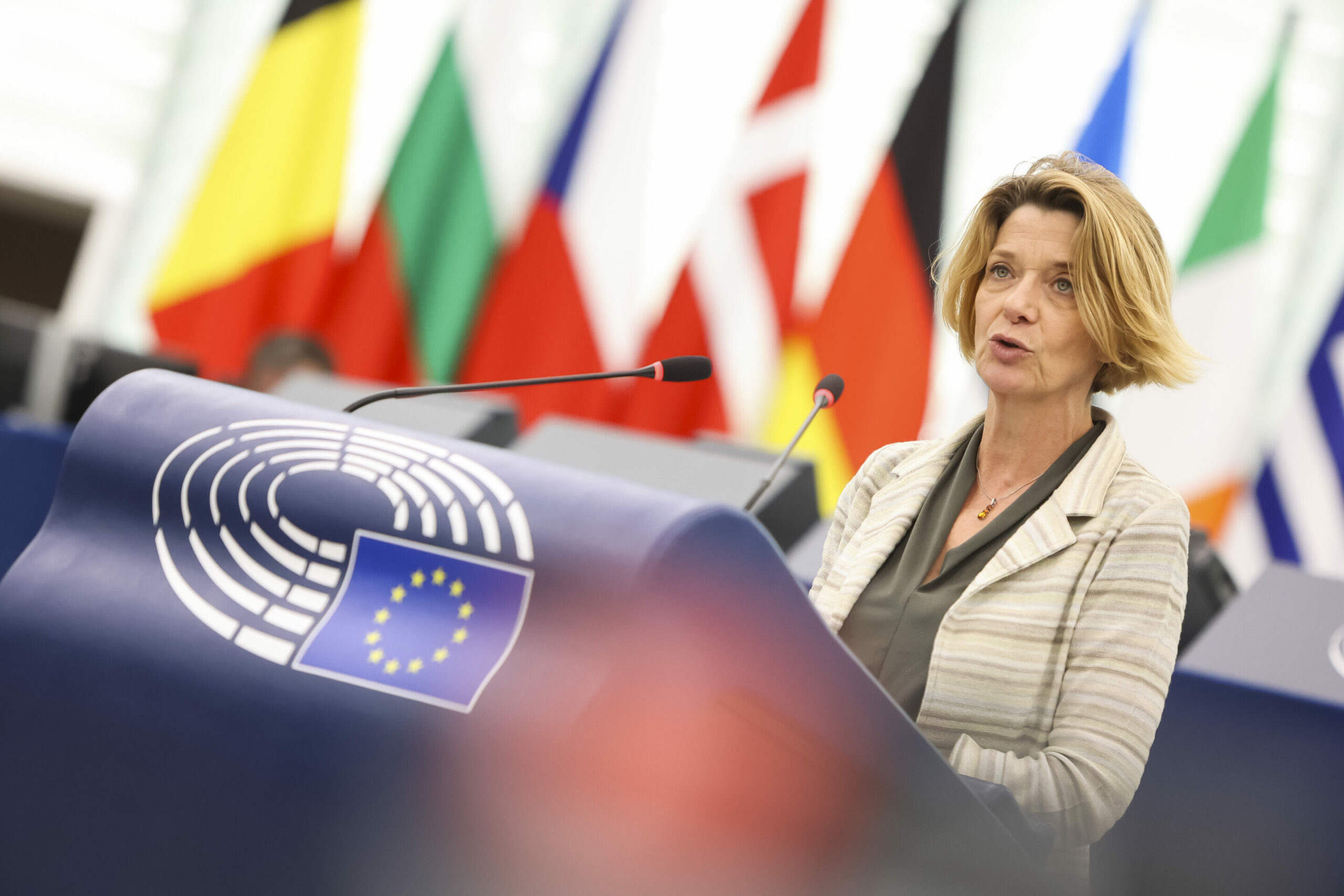
Belgian MEP Estelle Ceulemans (S&D - PS). Credit: EU
What's the difference?
According to the European Agency for Safety and Health at Work (EU-OSHA), a work-related disease is any illness caused or made worse by workplace factors. This includes many diseases that have more complex causes, involving a combination of occupational and non-work-related factors.
An occupational disease, however, is any disease caused primarily by exposure to a physical, organisational, chemical or biological risk factor or to a combination of these factors. Occupational diseases are mostly those listed in national legislation as resulting from exposure to risk factors at work.
The report was approved by 413 votes to 210, with 29 abstentions. The text is a non-binding parliamentary initiative and does not itself change EU law. It is intended to put pressure on the European Commission, which is expected to present proposals on quality jobs by the end of the year.
Commission Executive Vice-President Roxana Mînzatu has pledged to provide an official response within three months.
In Belgium, more than 155,000 people are suffering from burnout or depression, according to figures from the National Institute for Health and Disability Insurance (INAMI/RIZIV) cited by Ceulemans. This represents a 32% increase since 2021.
The cost of disability benefits linked to these conditions has also risen by 78% compared with 2019, she said.
The EU's current regulatory framework dates back to 1989. EU-OSHA has warned that the growing use of digital technologies and artificial intelligence is exacerbating psychosocial risks in the workplace. EU-OSHA found out that 44% of workers say they are exposed to intense time pressure or excessive workloads.
The report also addresses workplace harassment, mandatory risk assessments and the right for employees to disconnect from work.
