
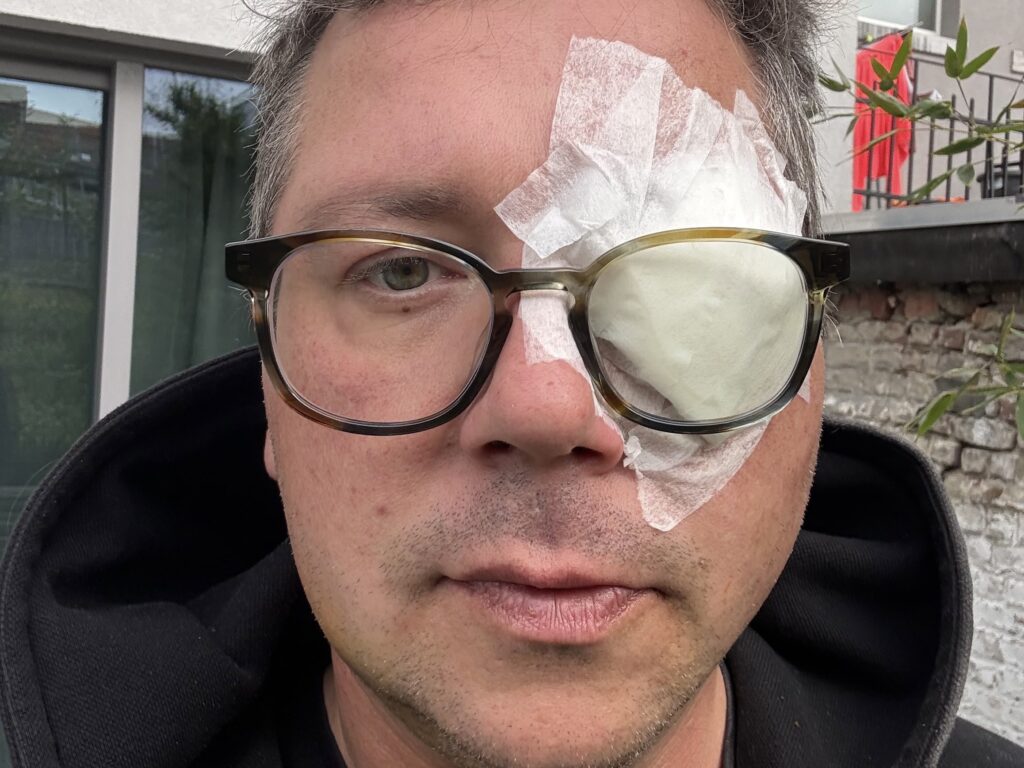
Cyclist Laurent Nyssen fears he might never recover the use of his left eye after he was the victim of a road rage attack on a street in Schaerbeek earlier this month.
On Wednesday 14 October, Nyssen was cycling up Rue Royale Sainte-Marie in Schaerbeek around 18:45 to collect a package. With some cars blocking the cycling lanes, he was zig-zagging through traffic and ringing his bell at cars to signal that he needed to pass – a regular occurrence in Brussels.
A man driving a delivery van suddenly came after him and started filming him. When stopped at the traffic light, the man shouted at Nyssen that he was annoying motorists. At this point, both men started to hurl abuse at each other.
"At the second set of traffic lights, behind the Saint-Marie Church, he got out of his car," Nyssen told The Brussels Times. "I have no memory whatsoever of what happened. It was pitch-black for a couple of seconds."
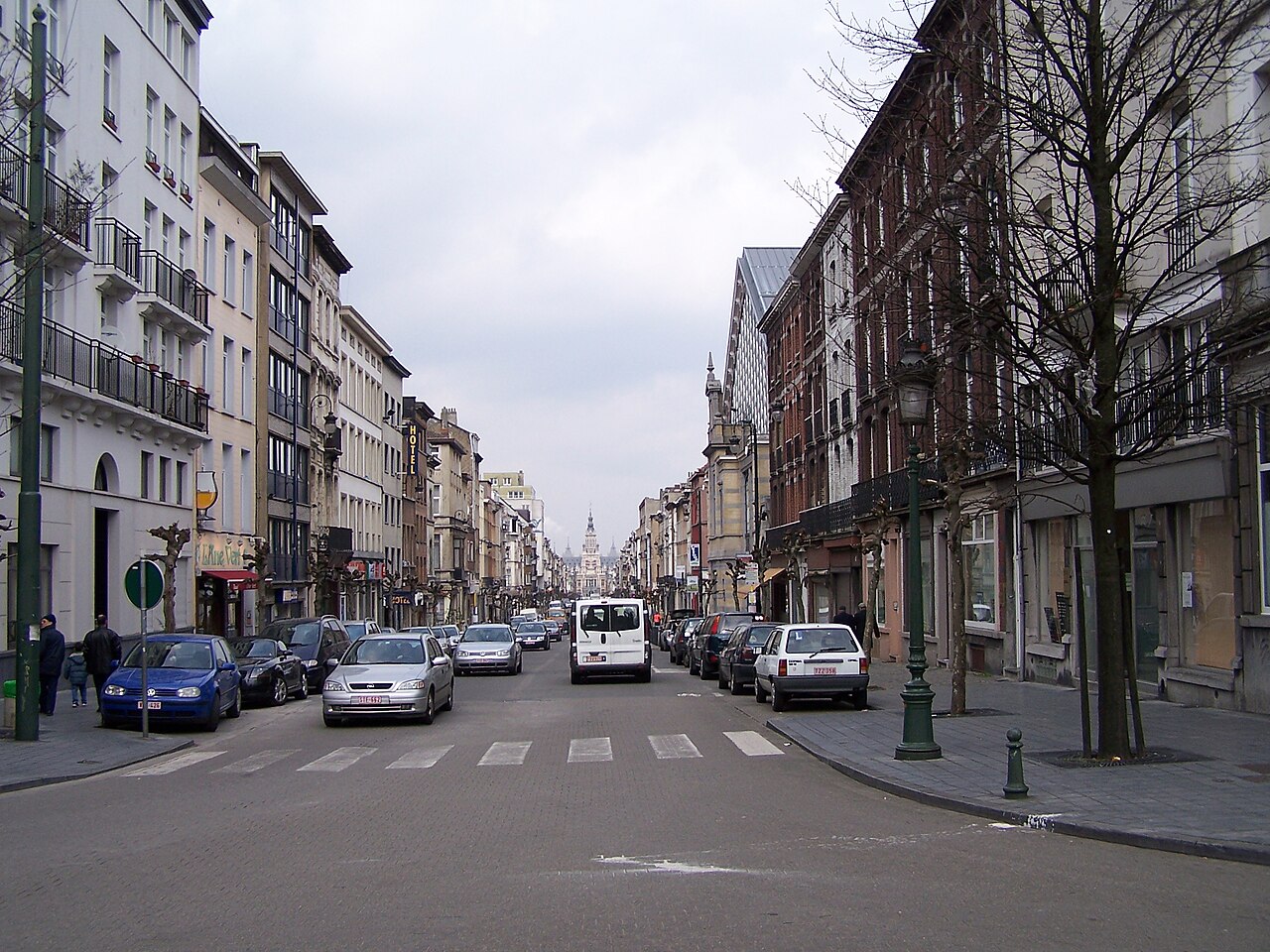
View of the Royale Saint-Marie street. Credit: Wikimedia Commons.
CCTV footage captured the scene. Nyssen says that he has no desire to see it at the moment, but police told him that the footage shows how the man pushed him from his bicycle and repeatedly punched him in the face, causing Nyssen to fall.
Passersby were reportedly shouting at the man to stop. He got back in his van and drove away.
Police and emergency services had already been called, and Nyssen was transferred to the hospital. However, he has no recollection of this either.
His jaw was broken in two places and he had two surgeries on his left eye in 24 hours. A medical certificate issued by CHU Saint-Pierre's ophthalmology department, seen by The Brussels Times, records a perforating injury to Nyssen's left eye – making him unfit to work for at least a month.
The doctors fear he will never regain eyesight in his left eye. "There is still a very small chance that some of my sight might improve over time, but it will never be the same as it used to be," he said.
The police informed Nyssen that the suspected attacker, a man in his thirties, was arrested the same evening of the incident. He reportedly spent six days in detention before receiving an ankle monitor.
As criminal proceedings progress, Nyssen expects to meet a judge in November. He has not been informed of the precise charges being considered, but feels like the punishment should be severe. "He should spend some time thinking about what he's done, if that's even possible."
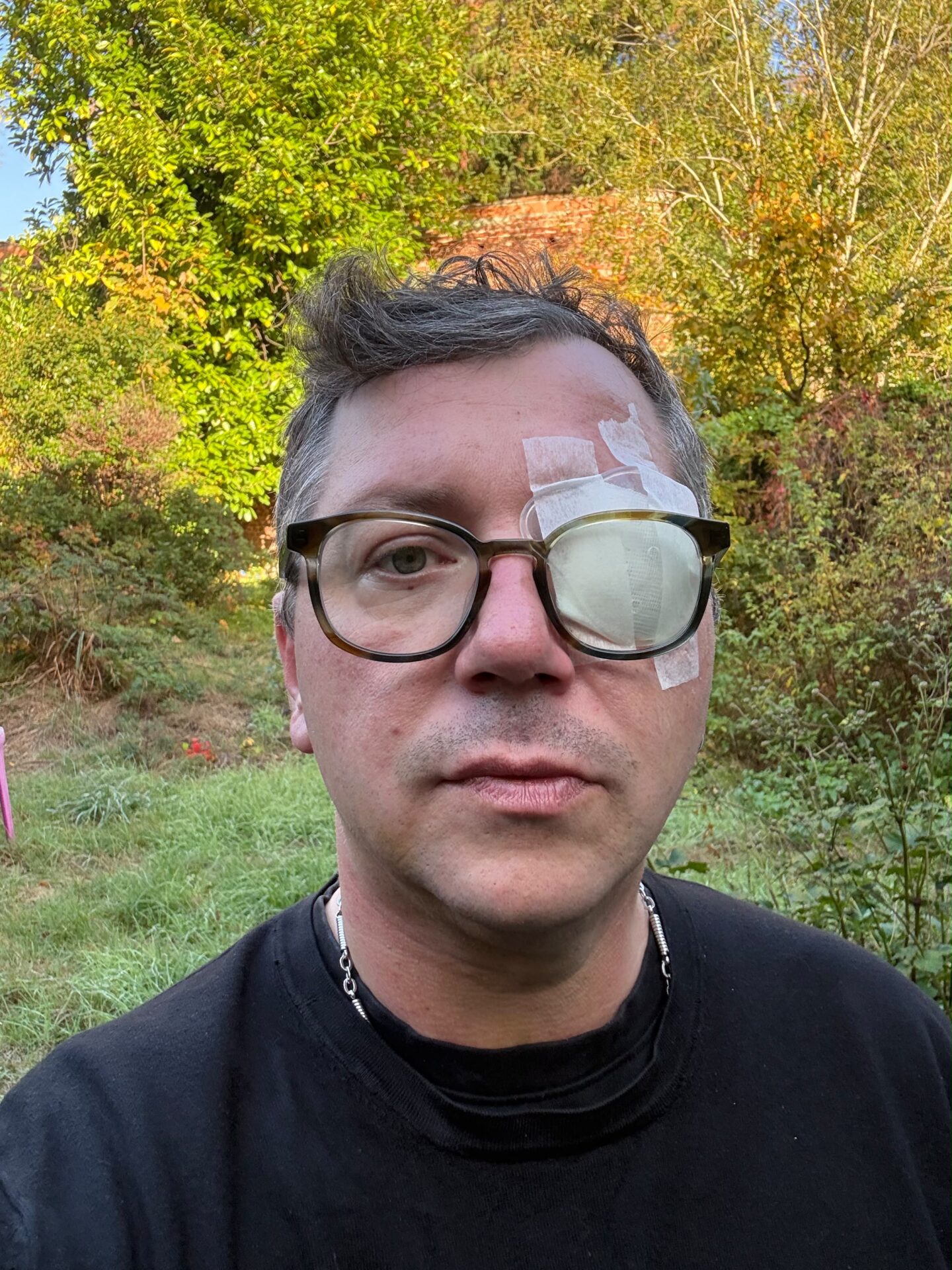
Nyssen cannot see with his left eye; he also suffered some bruises on his neck and has headaches. Credit: Handout by Laurent Nyssen.
‘A culture of hatred’
This is not the first time Nyssen has been assaulted as a cyclist on the streets of Brussels. He talks about a “culture of hatred” towards cyclists by car drivers in Brussels, especially in certain areas such as Schaerbeek or Anderlecht.
“My girlfriend lives in Uccle, and I have fewer problems there. I lived in Ixelles for years, and there’s quite a lot of road rage there too."
"Cars make people feel all-powerful. They are protected inside their big vehicles. I think that’s part of the problem," he said. Motorists often behave as though they are "the kings of the road," he said.
He feels like Brussels has made progress in developing cycling lanes and a more cyclist-friendly infrastructure, but he stressed that more needs to be done to prevent confrontations as such and “protect vulnerable road users.”
Despite the physical and psychological consequences of the assault, Nyssen says the support of his family and friends has helped him through his recovery.
Now, he is dealing with administrative matters, such as insurance and the upcoming court case. Additionally, he is developing an app to assist with gathering all the necessary documents, and starting the right procedures for future victims of assualt.
Nyssen is determined not to allow the attack to change his life permanently and intends to return to cycling once he has adjusted to his impaired vision, although he plans to wait until after winter.
"I'll adapt, because I could have died. I could have suffered brain damage, ended up in a wheelchair or even died. I'm alive, and that's the most important thing," he said. “I’m not going to stop working, and I’m not going to stop cycling because of this. If I stop, it means violence has won.”
