
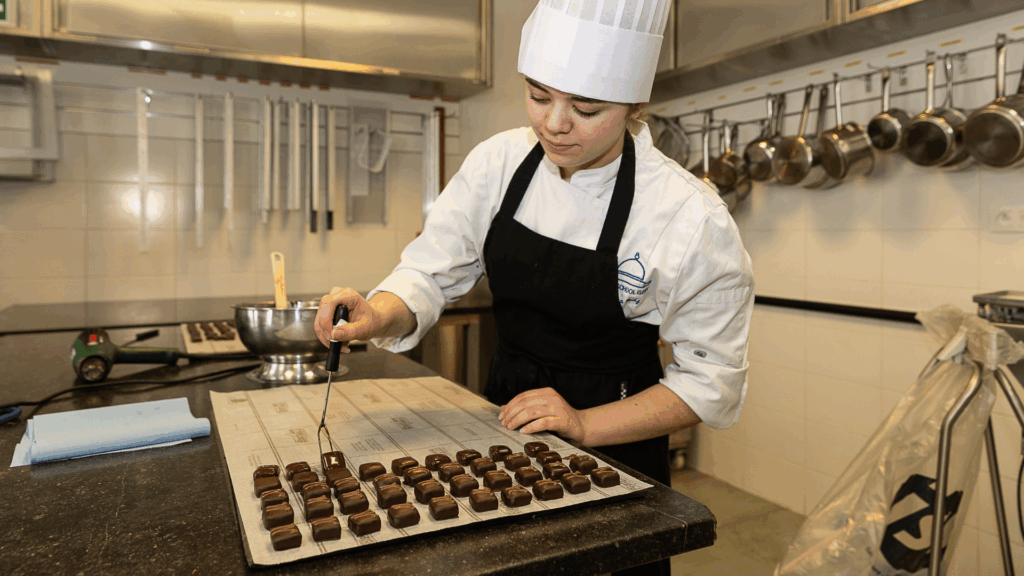
Brussels has become the first region in the country to formally recognise the craft and tradition of Belgian chocolate as intangible cultural heritage. Industry professionals hope the move inspires other regional governments to follow suit.
On Tuesday, an event to announce the new status of the Belgian delicacy was held at the Saint Hubert Gallery, where the praline was invented by Jean Neuhaus Jr. in 1912. The formal recognition was driven by a proposal submitted by the non-profit 'I Love Belgian Chocolate'.
"After the beer, speculoos and frites culture, it was high time we included the tradition and craft of Belgian chocolate on our Brussels heritage list," said outgoing Brussels State Secretary for Heritage, Ans Persoons (Vooruit), on Tuesday.
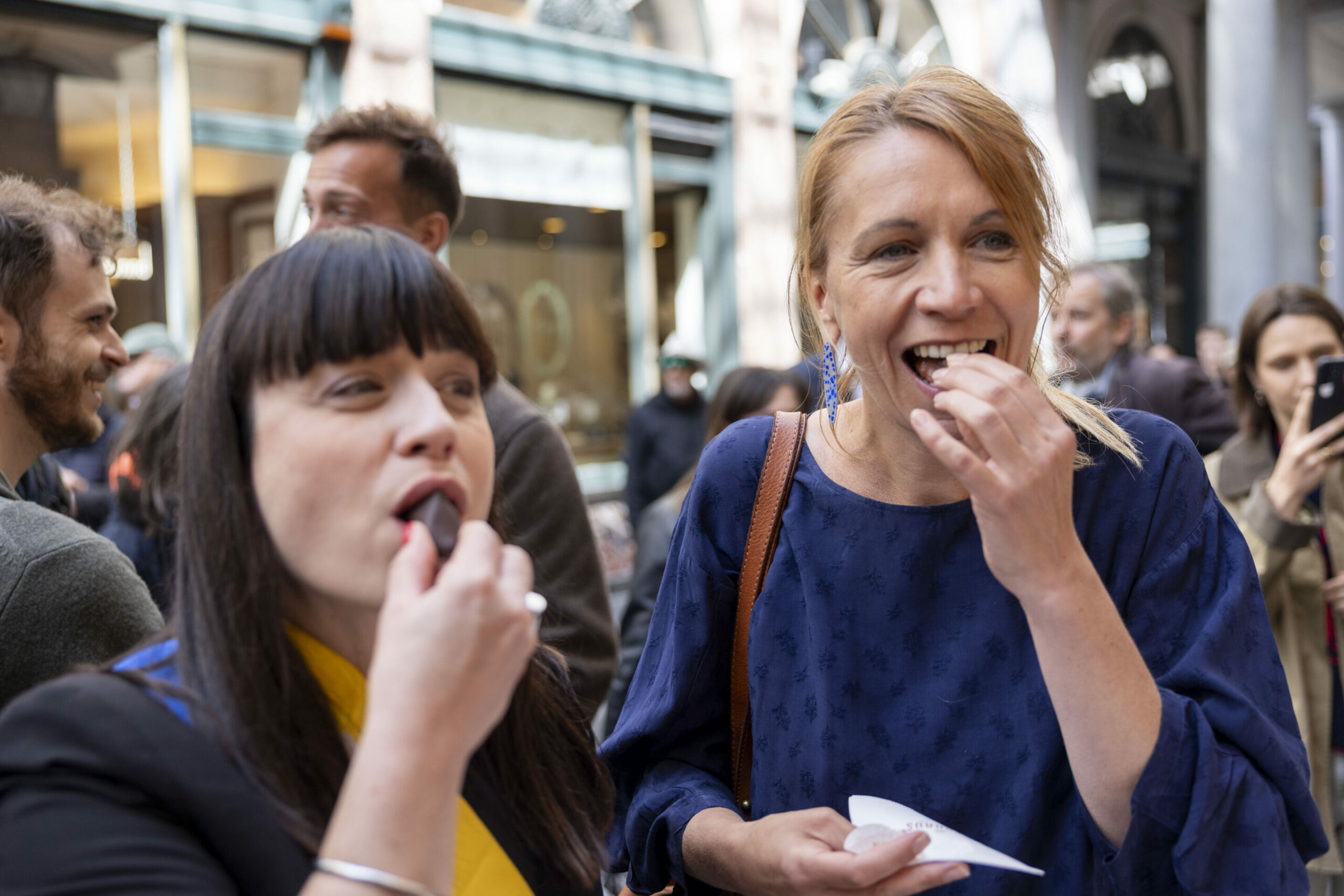
(L-R) Brussels councillor Anaïs Maes and Brussels State Secretary for Heritage Ans Persoons. Credit: Cabinet Ans Persoons
Belgium is one of the world's leading chocolate exporters, second only to Germany, according to the Belgian chocolate association Choprabisco. Despite its success, the sector is facing increasing financial pressures from rising costs of raw ingredients and production.
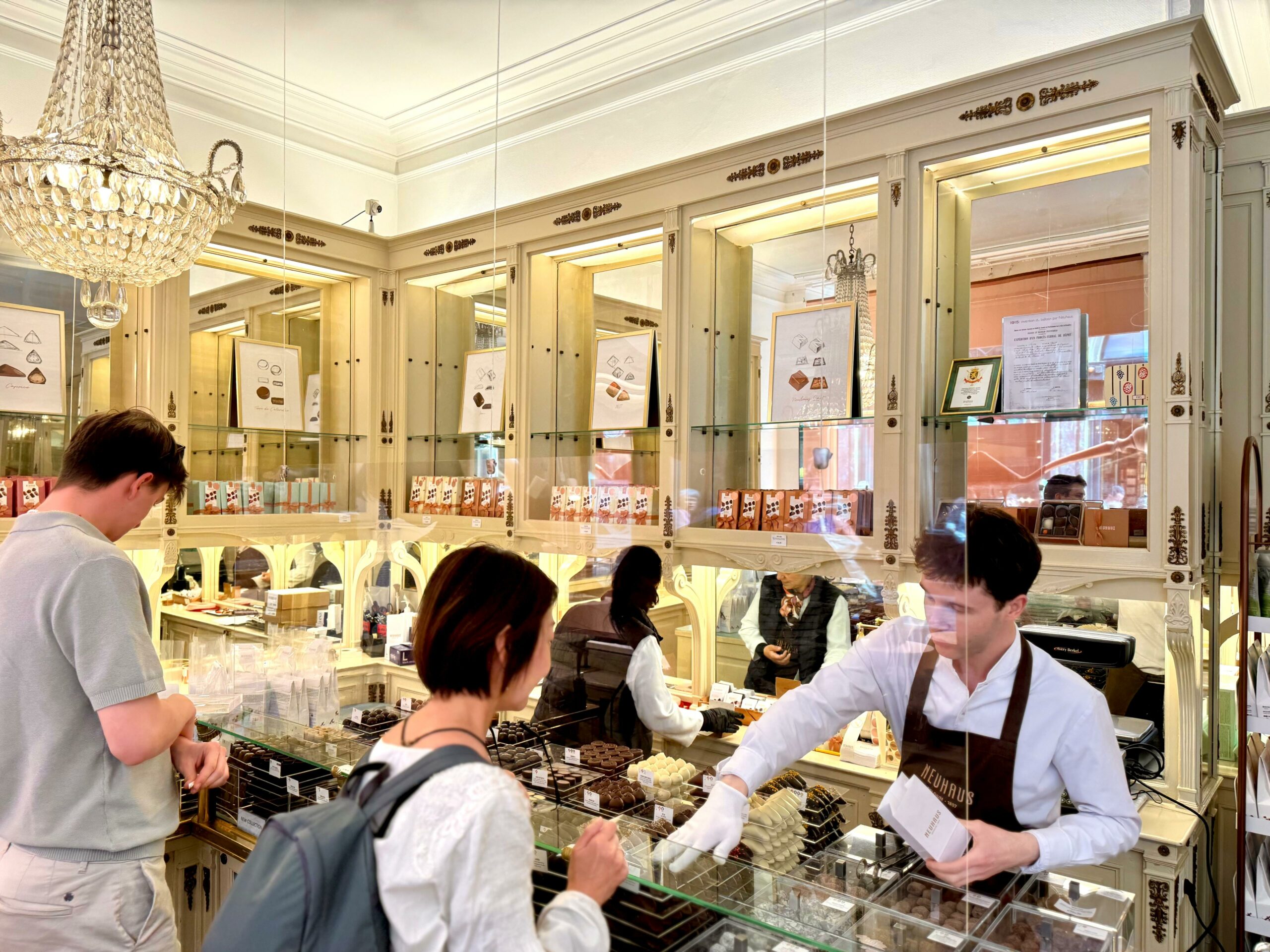
The outgoing Brussels Government's decision was welcomed as validation of the work of Belgian chocolatiers throughout the decades. "This honour is seen as a tribute not only to the founders of Neuhaus but to the broader Belgian chocolate sector, underlining the collective strength and diversity that define Belgian chocolate on the world stage," Neuhaus' Marketing Director, Barbara Billiet, told The Brussels Times.
Credit: Cabinet Ans Persoons
Although Belgian chocolates already have a strong reputation worldwide, the continuous recognition of their quality can be beneficial to the future of the sector. "This recognition is likely to have a positive impact on the Belgian chocolate sector as a whole. It reinforces the perception of Belgian chocolate as a premium product," Billiet added.
The reputation of quality has allowed the sector to remain resilient over the years, according to Leonidas CEO and head of Choprabisco, Phillipe de Selliers. He sees the new status as an acknowledgment of past achievements and hopes it will pave the way for progress in the sector. "We hope it will help to create roots for the future of Belgian chocolate."
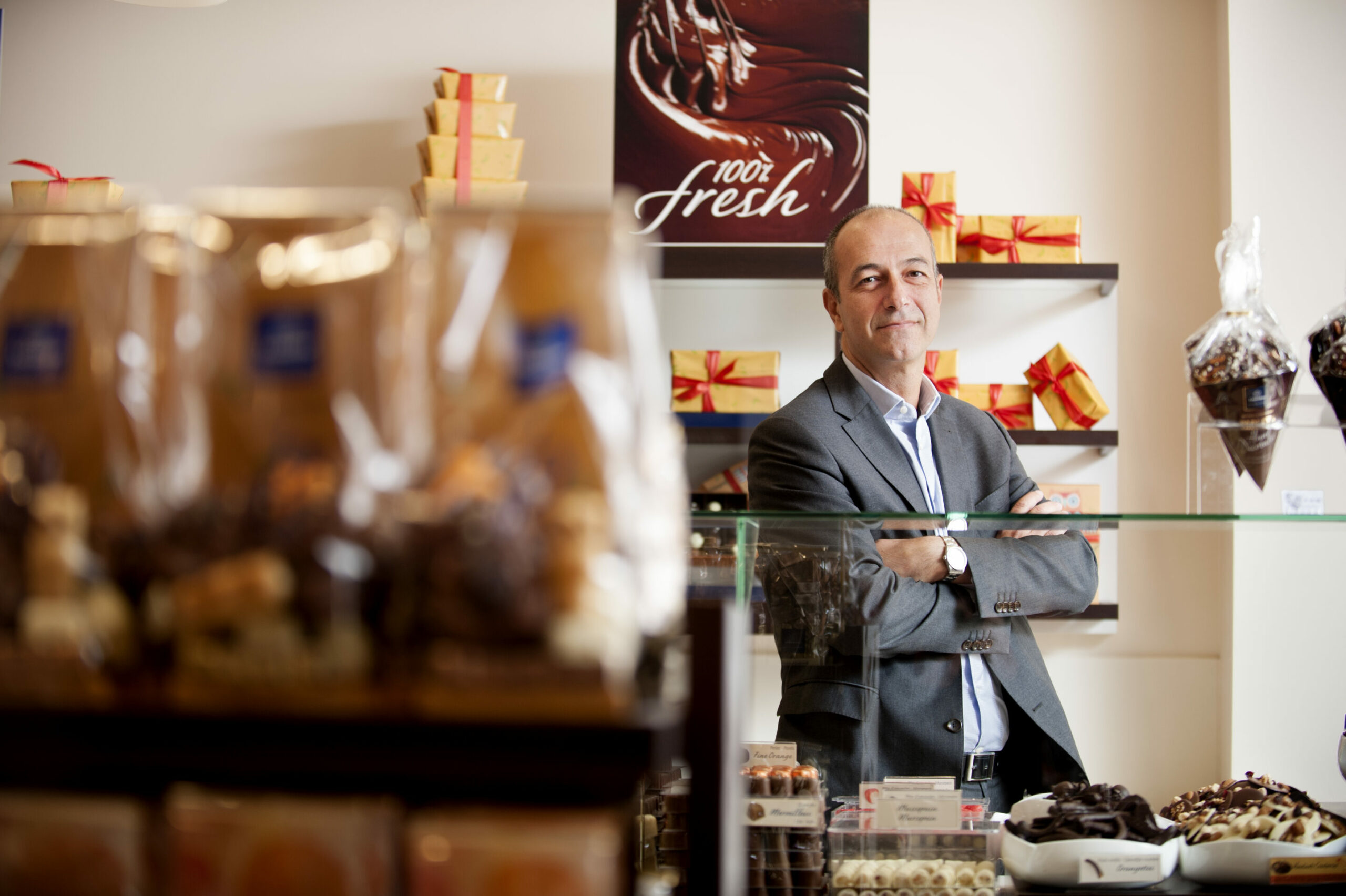
Philippe de Selliers in Brussels in 2017. Credit: Belga
While the impact of the Region's recognition is unlikely to prompt immediate change, it is the first step to further worldwide recognition. "We hope now we will [be recognised by] the other two Belgian regions: Flanders and Wallonia. After that, we would like to be recognised by UNESCO as a world heritage. That would be really good for our reputation," added de Selliers.
Although Brussels is home to several chocolatiers, only 10% of chocolate makers are based in the capital, according to Belgian statistical office Statbel. Around 24% are in Wallonia while 66% are in Flanders.
De Selliers hopes the rest of the country will follow Brussels' example. "We are also working with the three regional governments to protect the 'Belgian chocolates' brand," de Selliers said. "We are happy to see Brussels being aware of the impact they can have. I hope they can be a good leader."
