
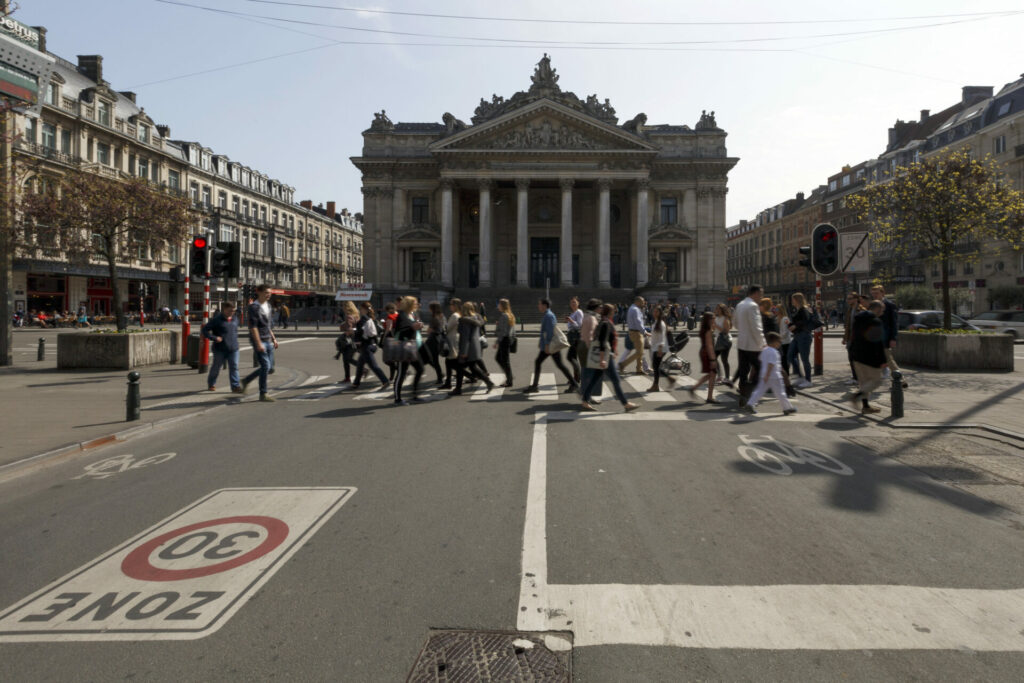
Finland's capital city Helsinki went a full 12 months without a single traffic death: the last fatal accident dates back to July 2024. Brussels, which has been looking to the Nordic city for its traffic policy for years, hopes to be able to say the same soon.
Helsinki's municipal officials and police announced that the city had not registered a single traffic-related fatality in the past year. While road deaths have been decreasing across the EU (with a 3% decline last year), fatal accidents are still commonplace in cities.
In Brussels, there were ten traffic fatalities in 2024. In all of Belgium, 470 people lost their lives that year.
"Zero traffic fatalities: it really is possible. Helsinki, where political courage turned dreams into reality, proves this," outgoing Brussels Mobility Minister Elke Van den Brandt (Groen) told The Brussels Times.
Vision and decisiveness
The city invested heavily in infrastructure that puts pedestrians, cyclists and future-oriented public transport at the centre: new tram lines, self-driving electric buses and, above all, a so-called "forgiving" road design that is lenient towards human error, with separate traffic flows and speeds that are automatically slowed down.
"It requires vision and decisiveness, but it works. The results from Helsinki should encourage us to dare to go further ourselves, because we must never accept traffic fatalities," said Van den Brandt.
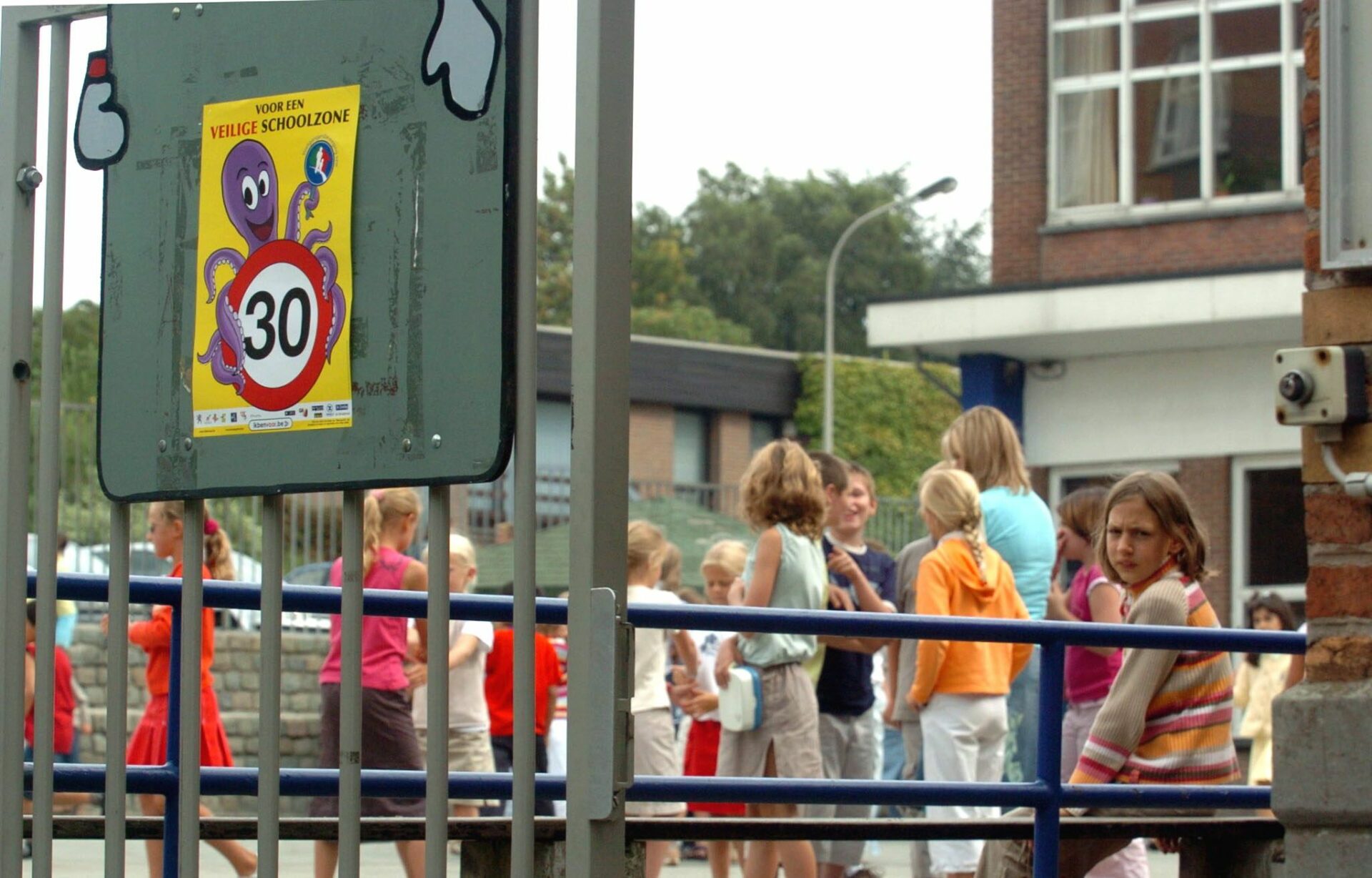
She stressed that behavioural change also plays a crucial role and described Helsinki's introduction of City 30, initiated by Anni Sinnemäki, as "a turning point" that also inspired Brussels. "Five years later, we know that City 30 saves lives. To further reinforce this, awareness-raising is important, but so is consistent enforcement, with speed checks, cameras and fines."
Credit: Belga
"In Brussels, too, we are fully committed to this dual lever: safe infrastructure and behavioural change," Van den Brandt stressed. "Vision Zero remains my ambition: zero traffic fatalities and serious injuries. Not as a distant dream, but as a concrete goal that we continue to work towards every day."
Getting to zero traffic-related fatalities is indeed possible in Brussels, according to Stijn Daniels, road safety researcher at Transport and Mobility. "If you want to achieve a low number of road deaths, you have to identify who the people dying on the road are."
Three in four accidents involve vulnerable road users: pedestrians, cyclists and drivers of speed pedelecs or e-scooters, he said. "That is what Helsinki has done."
Symbolic targets
While Roni Utriainen, a traffic engineer with the city’s Urban Environment Division, told the Finnish press that Helsinki's achievement was attributable to "a lot of factors," she added that "speed limits are one of the most important."
Many streets in the city's centre and its residential areas have a speed limit of 30 km/h. "It is essential. It reduces the risk of an accident. And if something does go wrong, the speed is so low that the accident will most likely not be fatal," said Daniels.
These limits were enforced with 70 new speed cameras and a policing strategy based on Finland's national 'Vision Zero' policy, which aims for zero traffic injuries or deaths.
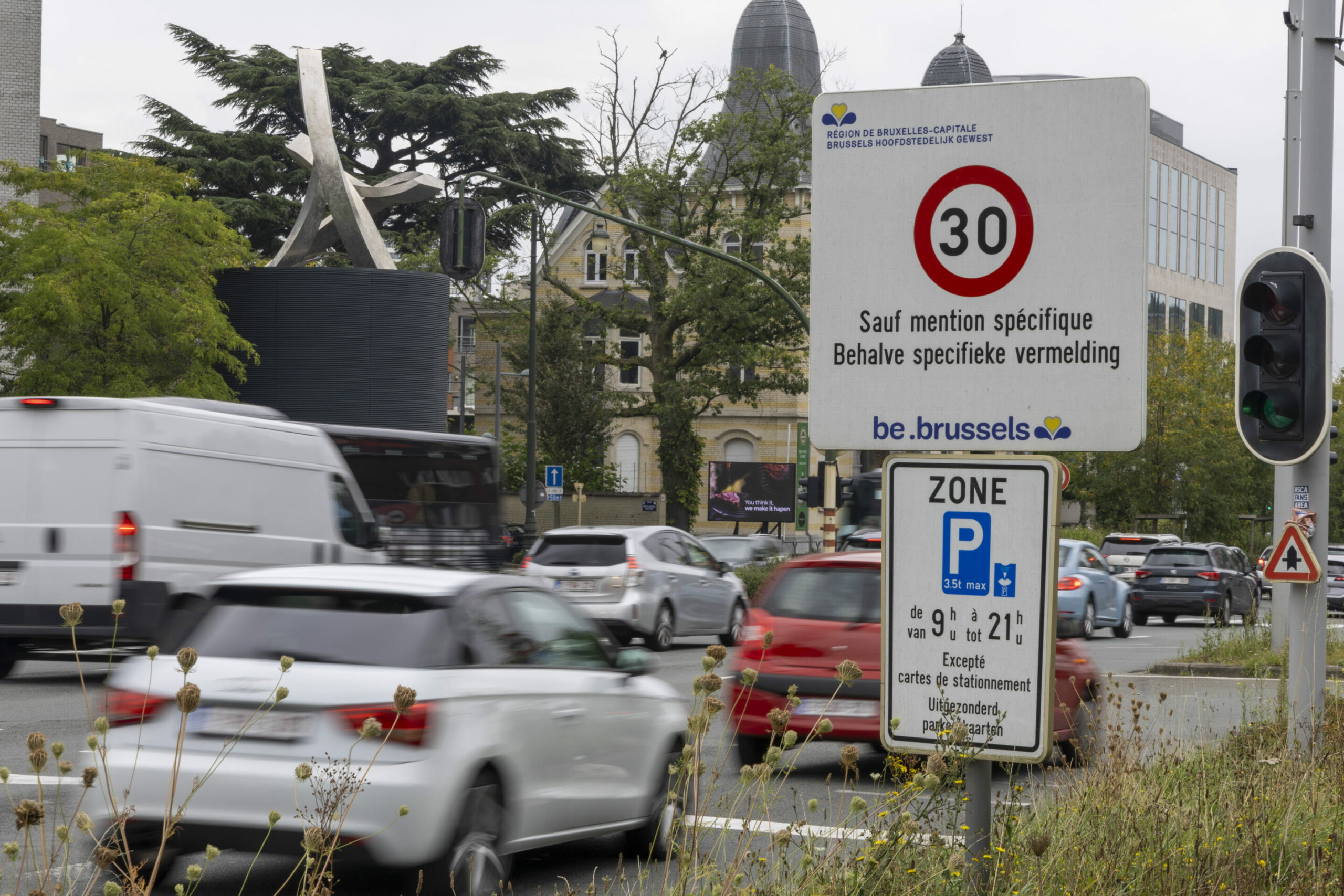
A sign introduces the 30km/h speed limit in the low-emission zone in Ganshoren, Wednesday 4 September 2024. Credit: Belga/Nicolas Maeterlinck
According to Utriainen, the mission's success is long-term mobility policies and urban development strategies that have transformed the capital from centring cars to centring more vulnerable road users: narrowing roads and planting trees in strategic places, separating cycling lanes and traffic plans.
"It is important that people reach their destination safely, not necessarily very quickly," emphasised Daniels. However, he did acknowledge that these measures are often met with protest in Belgium, but also in Scandinavian countries.
While the Finnish authorities are particularly good at emphasising the importance of road safety and respect for vulnerable road users in their communication, Daniels believes that a similar strategy is also possible in Belgium.
"You have to make radical choices. Every year, around ten people die in cities such as Ghent, Antwerp and Brussels. That is difficult to understand," he stressed. "Zero is the only figure we can accept as a society. That is not a symbolic target at all."
