
When people think of contemporary art capitals, New York, Paris or Berlin usually come to mind. Brussels rarely makes the list.
Yet Belgium’s capital has quietly become one of Europe’s most dynamic hubs, a city where artists can still afford space, collectors are surprisingly active, and galleries earn international reputations without losing their local character.
Ahead of Brussels Art Week (September 4–7), renowned gallerist Xavier Hufkens reflects on how the scene has changed since he opened his first space in 1987, and what that says about the industry today.
From a local scene to a global network
“When I started, it was a relatively confidential world,” Hufkens tells The Brussels Times. “An exhibition opening involved eight people, maybe ten, and that was a success.”
Belgium’s collectors were Belgian, artists worked in Belgian studios, and communication moved at the pace of the postal service. “We sent a slide to a museum curator, waited a week to get it back. No internet, no Eurostar to Paris or London, it was a regional world.”
Fast forward nearly four decades: galleries in Brussels now operate in a global market. “Today, it’s very easy to communicate with someone in Singapore if you’re in Brussels,” he says. Small galleries can reach far beyond Belgium’s borders, but they also face worldwide competition.
Why Brussels works for artists
Brussels still offers something rare in European capitals: space. “Brussels isn’t a huge city, but it’s very spread out,” Hufkens explains. “It offers plenty of space for people looking for a studio. Where there are a lot of artists, there’s artistic life. And where there’s artistic life, there are galleries.”
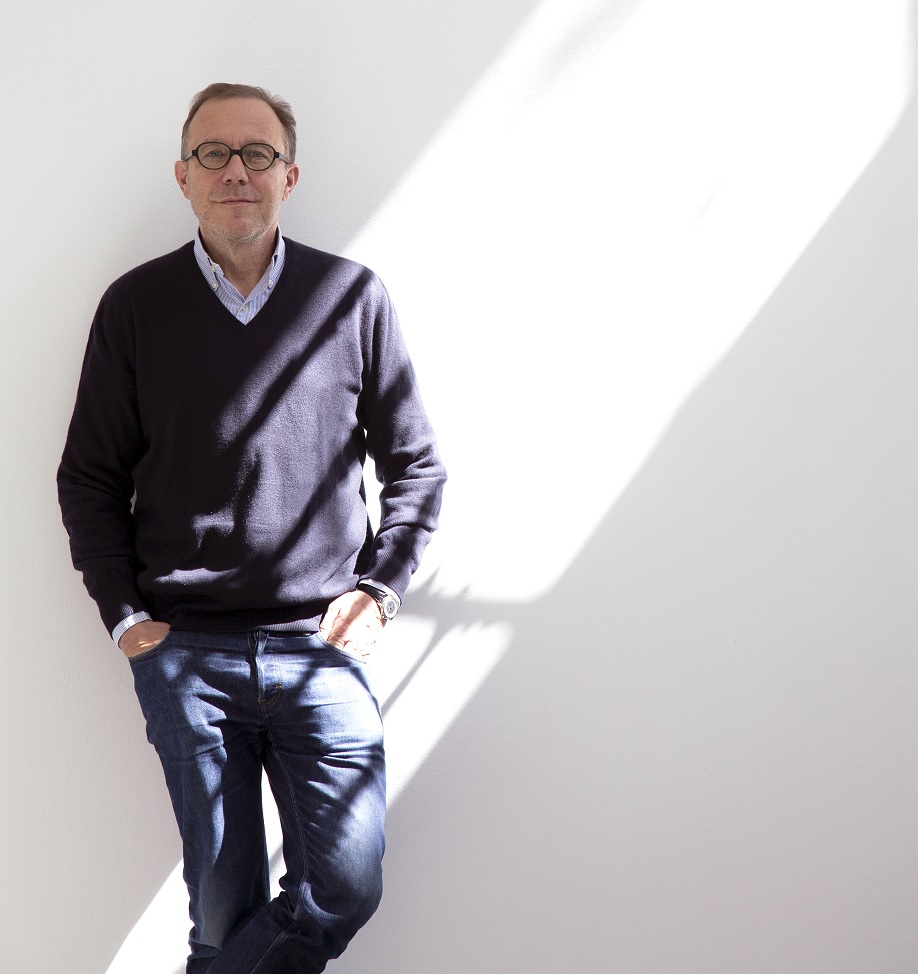
Gallerist Xavier Hufkens
This density of creative production has shifted Belgium’s cultural center of gravity from Antwerp to Brussels over the past two decades. The city now hosts a critical mass of artists and galleries, forming a vibrant ecosystem supported by a deep tradition of private collecting.
“Here, everyone builds their own house, everyone collects in their own way,” says Hufkens. “There’s no centralized power taking culture into its own hands, like in France. In Belgium, the collectors have played an essential role.”
Challenges beneath the surface
Brussels is not immune to structural pressures. Costs have risen sharply: salaries, shipping, insurance, rent. “Life has become more expensive for everyone,” Hufkens says. “It’s the same for galleries.”
Attracting top-tier artists can also be difficult. “A good gallery must have good artists,” he notes. “Maybe it’s harder to bring a major artist to Brussels than to New York or Paris.”
Yet Belgium’s relatively modest scale provides breathing room. With around 45 contemporary and modern art galleries in Brussels, compared to hundreds in New York, competition is less brutal. “There’s more oxygen here,” Hufkens says.
“It’s simpler to carry out a project than in cities where there are 400 or 500 galleries fighting for attention.” And movement still happens for gallerists willing to expand such as Hufkens: “I participate in ten fairs a year. I do the Paris fair, the New York fair, the Basel fair, the Hong Kong-Basel fair, the Shanghai fair, etc. I'm moving a lot.”
A culture of collecting and sharing
Belgium’s collecting culture is surprisingly strong and democratic. From seasoned patrons to modest buyers, collectors play a decisive role. But galleries are more than marketplaces.
“A gallery is 99.9% open to visitors who aren’t going to take action,” says Hufkens. “It’s a place for free visits and cultural education.”
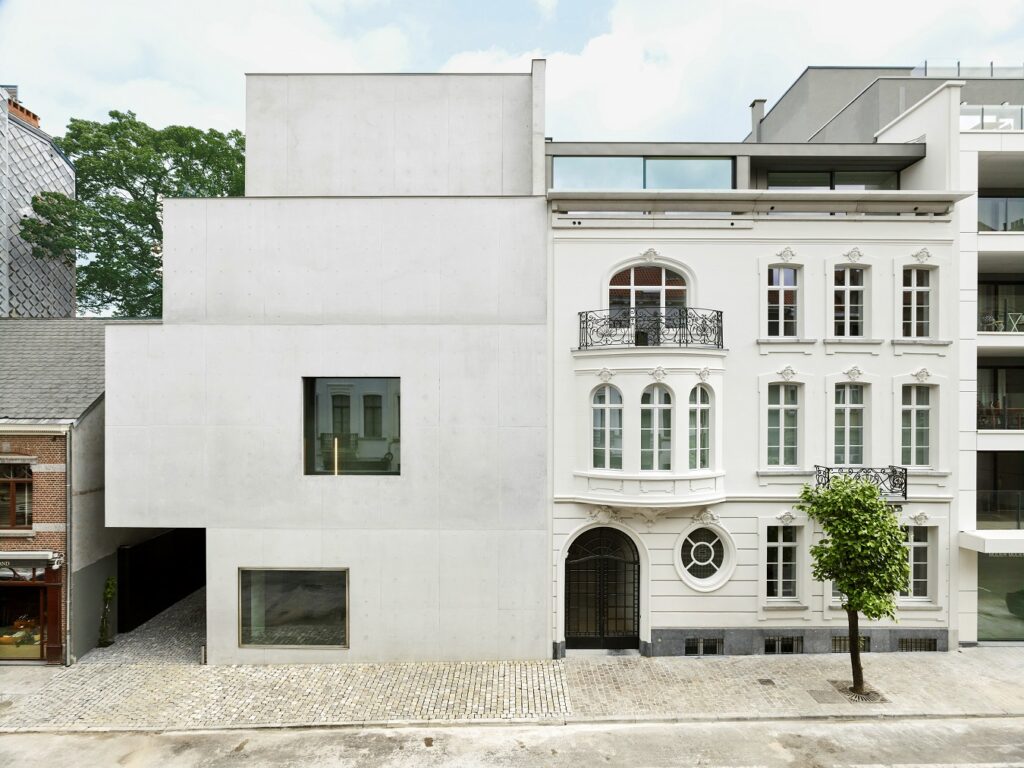
His own space, next to the La Cambre art school, often get the visits and serves as an informal classroom for students who discover major artists for the first time.
This focus on cultural engagement over quick returns defines Brussels. Galleries can take risks, cultivate talent, and build long-term relationships with artists and collectors without being dictated entirely by market speculation.
Global ambition, local roots
International visibility remains essential. Hufkens participates in major fairs around the world, not just to sell, but to maintain ties with museums and curators.
“We just placed a work by one of our artists at the Metropolitan Museum of Art in New York,” he says, proof that “little Belgium” can punch above its weight.
Building such a reputation takes persistence, not shortcuts. Hufkens’ roster includes names like Louise Bourgeois, Antony Gormley and Robert Mapplethorpe, now global icons, but far from household names when he first exhibited them.
“Antony Gormley, I showed him in ’87. I was 22, he was 35. He wasn’t today’s Antony Gormley. Louise Bourgeois, I showed her in 1993. She was an 80-year-old woman who had some success, but not huge success. The Louise Bourgeois you know isn’t the Louise Bourgeois I met in ’93.”
His philosophy is simple: “You have to choose honestly, with conviction. Often against prevailing taste. A gallery is a self-portrait. You’re building something, brick by brick.”
The outlook for Brussels
Is Belgium’s art market facing unique difficulties? “Yes and no,” Hufkens says. Rising costs and competition are real, but the city’s scale, affordability and independence are real strengths.
Brussels is neither a sleepy provincial outpost nor a hyper-commercial pressure cooker: it occupies a middle ground where ambition and intimacy coexist.
As Brussels Art Week approaches, the city’s role as a cultural crossroads will again come into focus. For those unfamiliar with the Belgian scene, the message is clear: these types of events are a reminder that contemporary art here is steady and evolving.
For Hufkens, the job still feels more like a calling than a business. “I’ve always wanted it, always wanted to get up, do it again, start again. I don’t feel like I’m working. Obviously, I’m working, but I don’t feel like I’m working.”
That restless optimism, rooted in love for Brussels itself, may explain why the city, against all expectations, has become one of Europe’s most compelling places to make and encounter contemporary art.
