
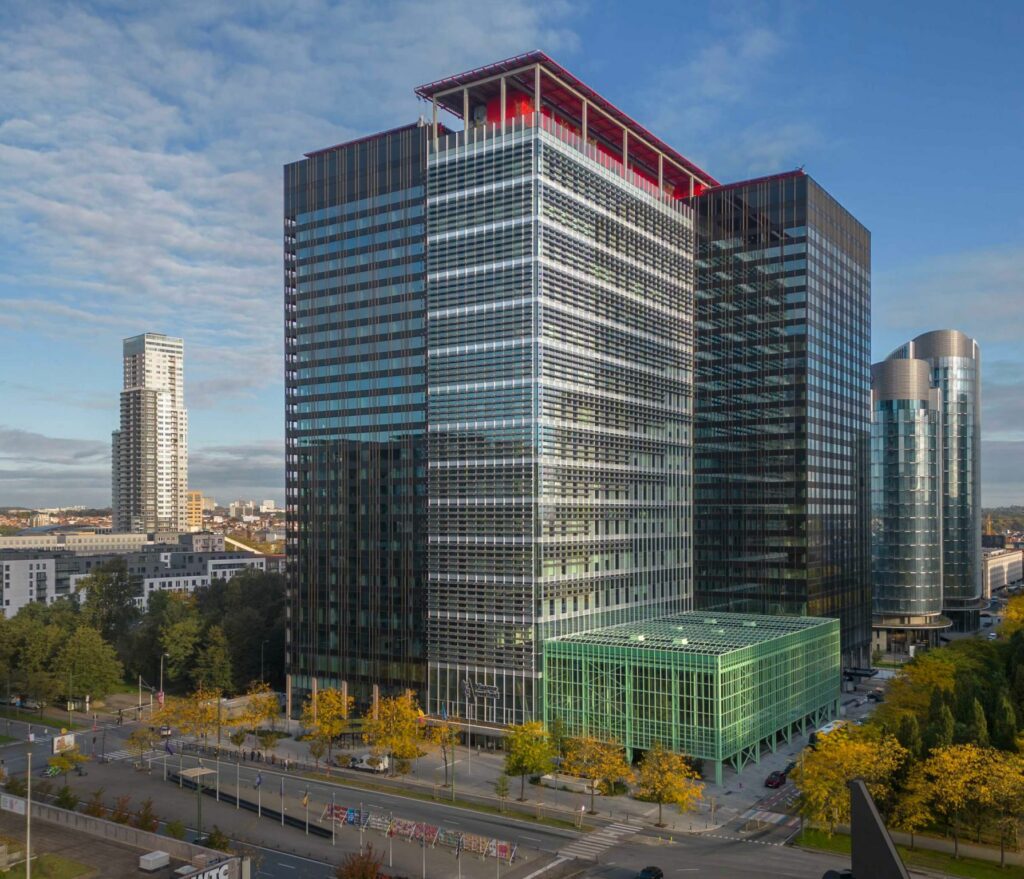
The award for "World's Best Tall Building" did not go to a skyscraper in London, NYC or Shanghai this year, but to the ZIN building in Brussels' Northern Quarter.
The Council on Vertical Urbanism (CVU) praised ZIN as a "prototype of regenerative density," and stressed that it is a building that "not only stacks spaces upwards, but also incorporates nature, social interaction, and public accessibility.
Brussels' outgoing State Secretary for Urbanism Ans Persoons (Vooruit) described the prestigious award as "the Oscars for skyscrapers."
(continues below photos)
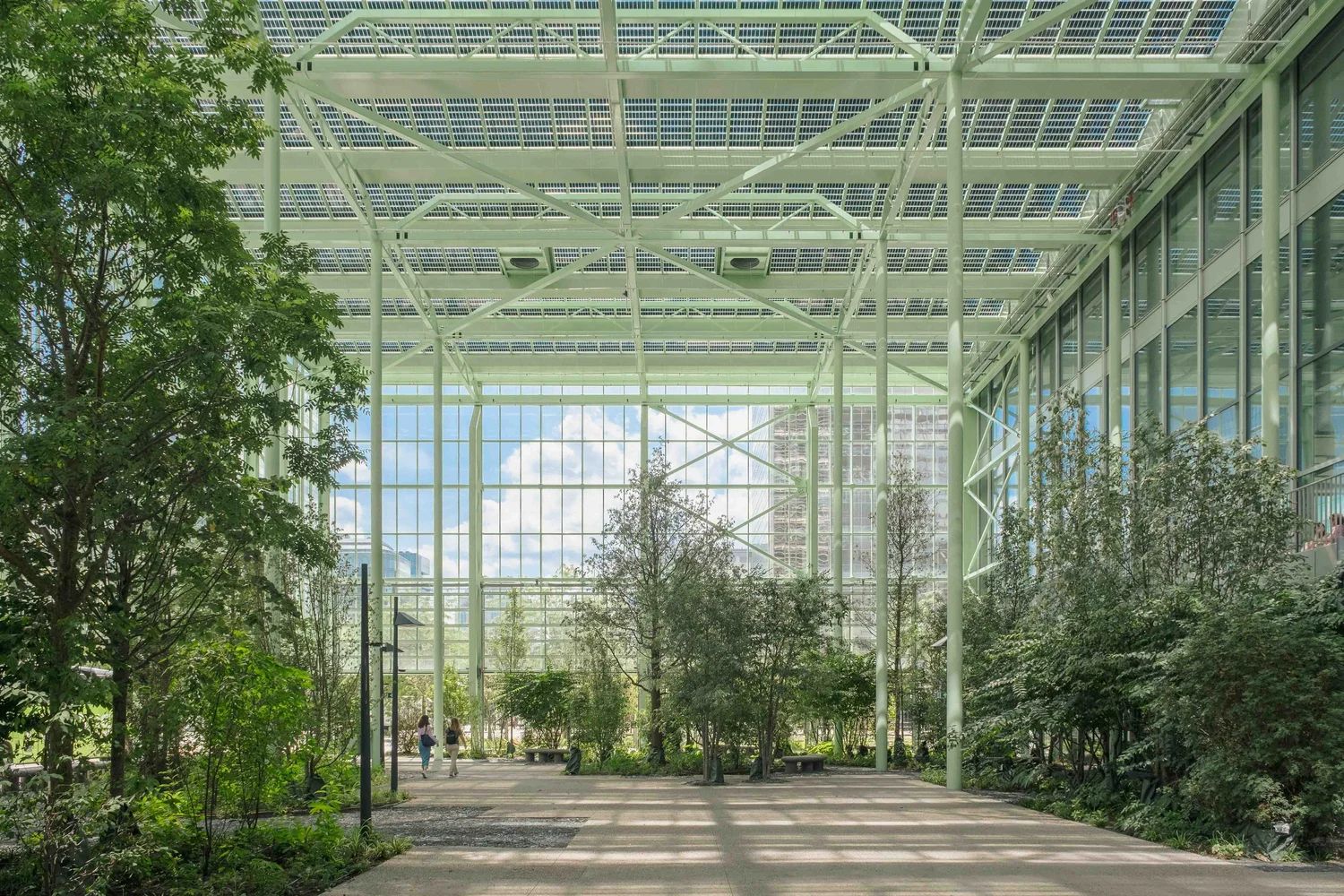
Inside the ZIN building in Brussels' Northern Quarter. Credit: Ans Persoons' office
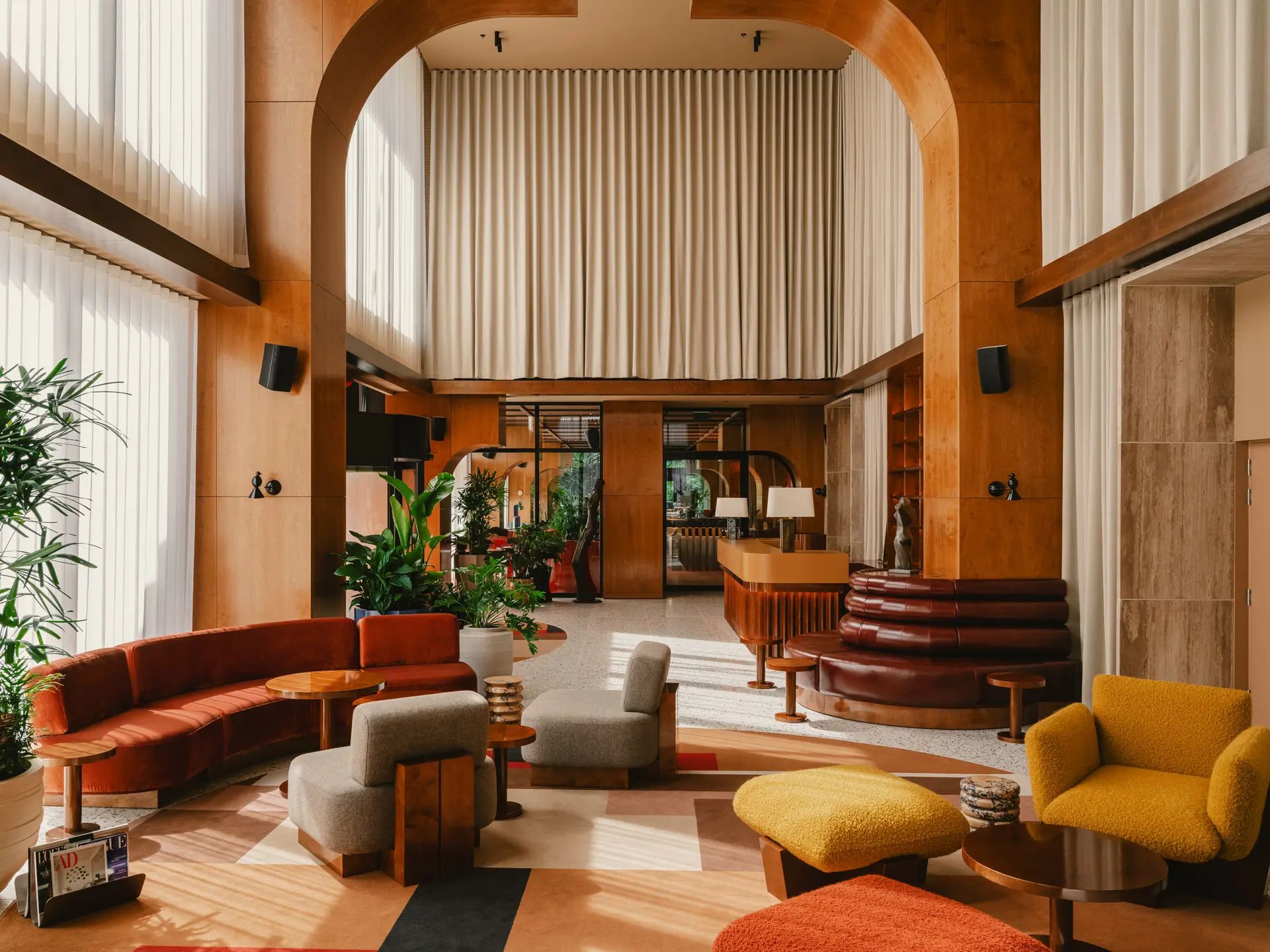
Inside the ZIN building in Brussels' Northern Quarter. Credit: Ans Persoons' office
The building – developed by Befimmo and designed by Jaspers-Eyers Architects, 51N4E, and AUC – beat "stiff competition from Asia, Dubai, Sydney, and Amsterdam."
In addition to "World's Best Tall Building," it also won in the "Best Tall Building Europe" and "Best Tall Building 100–199 meters" distinctions.
"The building is not a new construction, but a thorough renovation of the existing WTC I and II towers," Persoons said. "By preserving the existing structures, the building became a benchmark for sustainable and innovative tall buildings."
It is part of the urban renewal project to revitalise the former WTC towers in the Northern District. "ZIN is transforming an iconic 1970s complex into a vertical, mixed-use urban district with offices, residential units, a hotel, public spaces, and green spaces."
'European benchmark'
More than 60% of the existing structure was preserved, and innovative solutions such as a double facade, passive ventilation, and integrated solar panels were integrated to make ZIN "a European benchmark" for large-scale adaptive reuse and decarbonisation in the construction sector.
"By transforming an existing building into a veritable vertical ecosystem, the project illustrates Brussels' ability to compete with major global cities in sustainable architecture and urban repurposing," said Bouwkroniek.
Besides the international recognition for Brussels and its stakeholders, Jean-Philip Vroninks, CEO of Befimmo, stressed that it illustrates his company's ambition to combine sustainability, multifunctionality, and urban renewal. "The fact that this project is now recognised worldwide is a tremendous accolade for our team, our partners, and our end users."
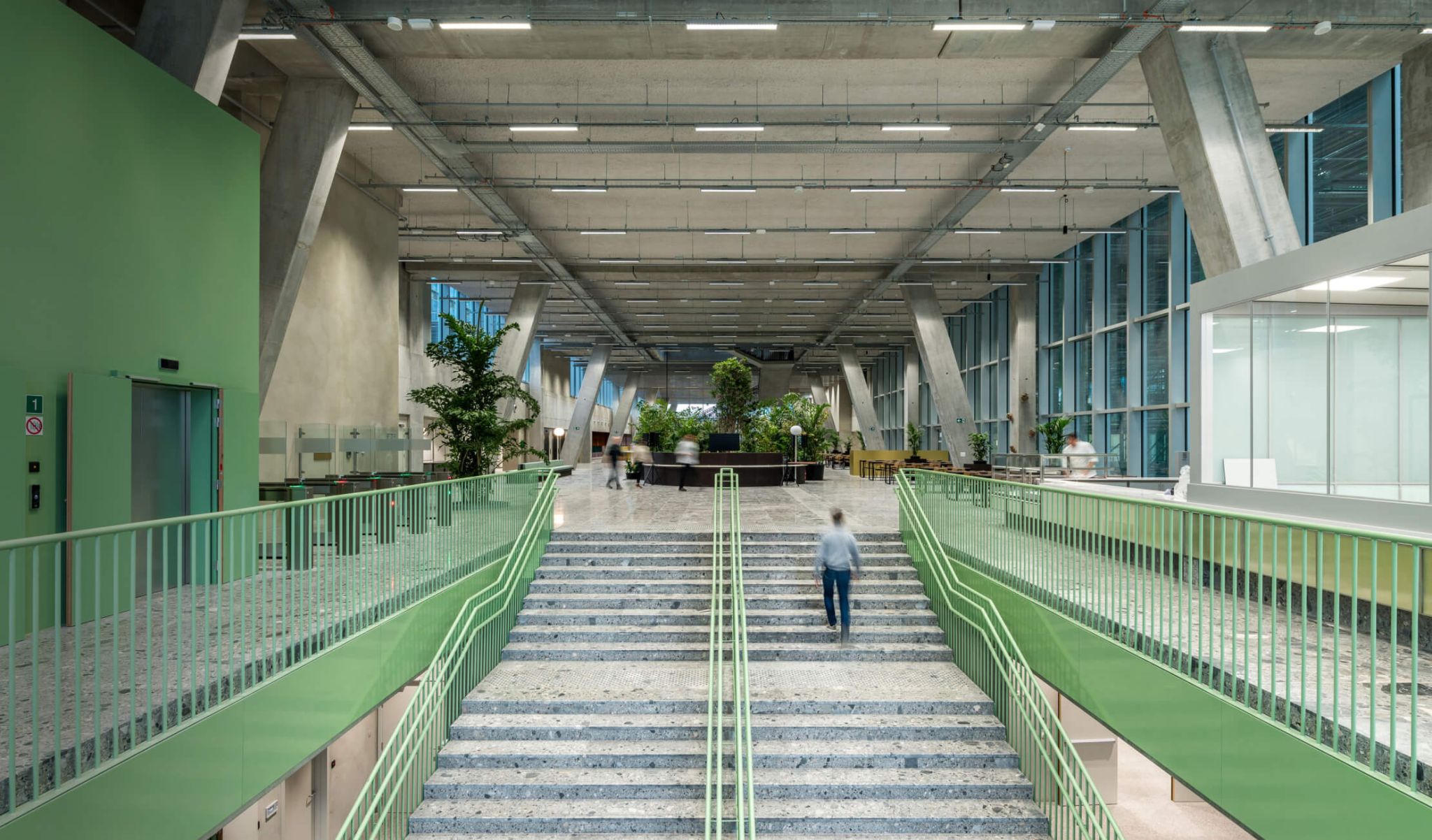
Inside the ZIN building in Brussels' Northern Quarter. Credit: Ans Persoons' office
Meanwhile, international recognition "demonstrates that Brussels is leading the way in sustainable urban development," stressed John Eyers, CEO of Jaspers-Eyers Architects. "With ZIN, we wanted to demonstrate that existing buildings are not written off, but can be revived as fully-fledged urban districts."
Built in 1972 and 1976, WTC Towers 1 and 2 were part of the Manhattan Plan, which aimed to transform the Norther Quarter into a business district. The towers provided office space for companies and government agencies for many years.
They were recognisable landmarks in the Brussels skyline, but quickly became outdated and no longer met modern standards for sustainability and comfort. Due to vacancy and inefficient use, calls for redevelopment grew. In 2019, an ambitious project began to transform the towers into the multifunctional and circular ZIN complex.
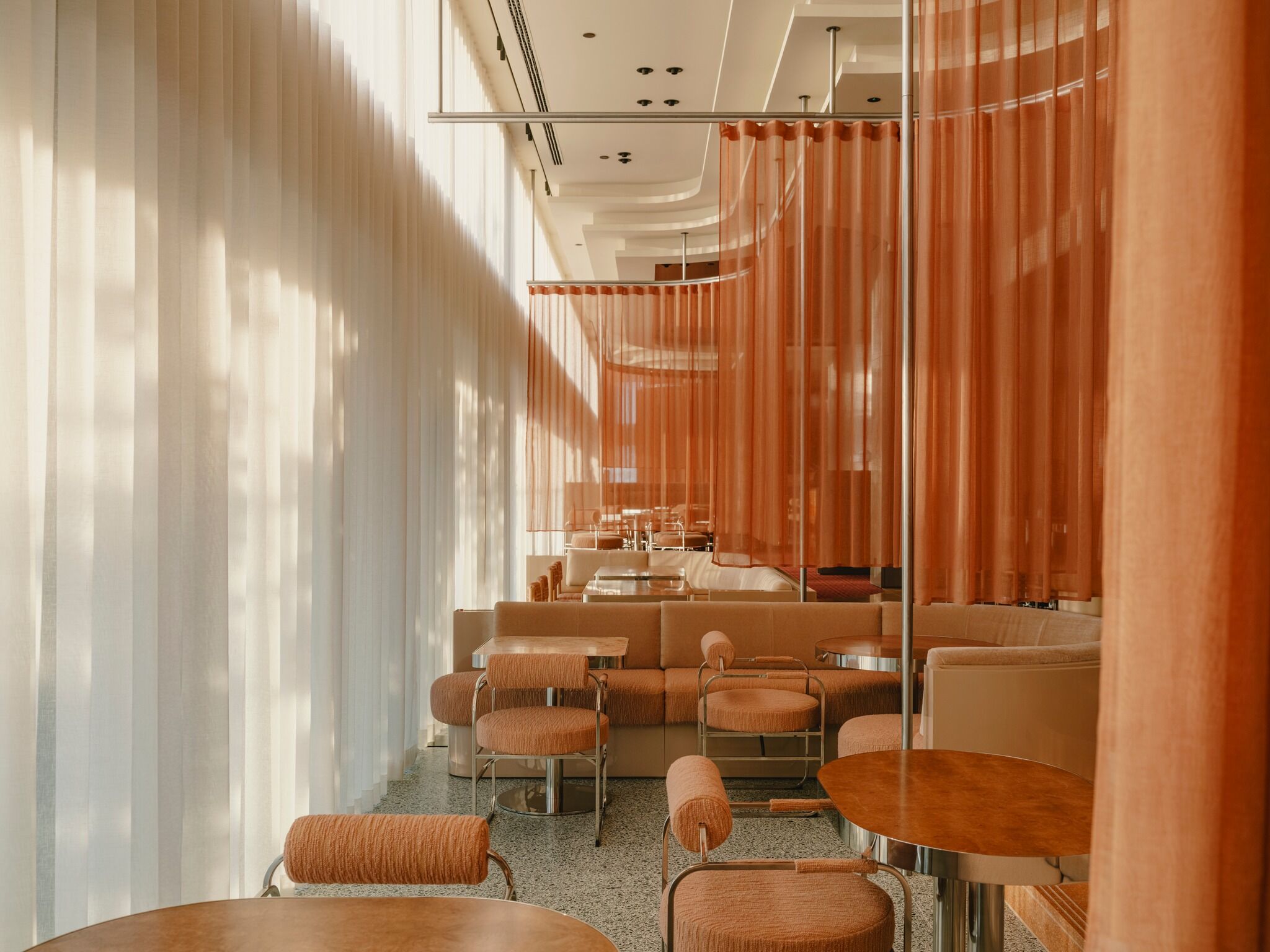
Inside the ZIN building in Brussels' Northern Quarter. Credit: Ans Persoons' office
