
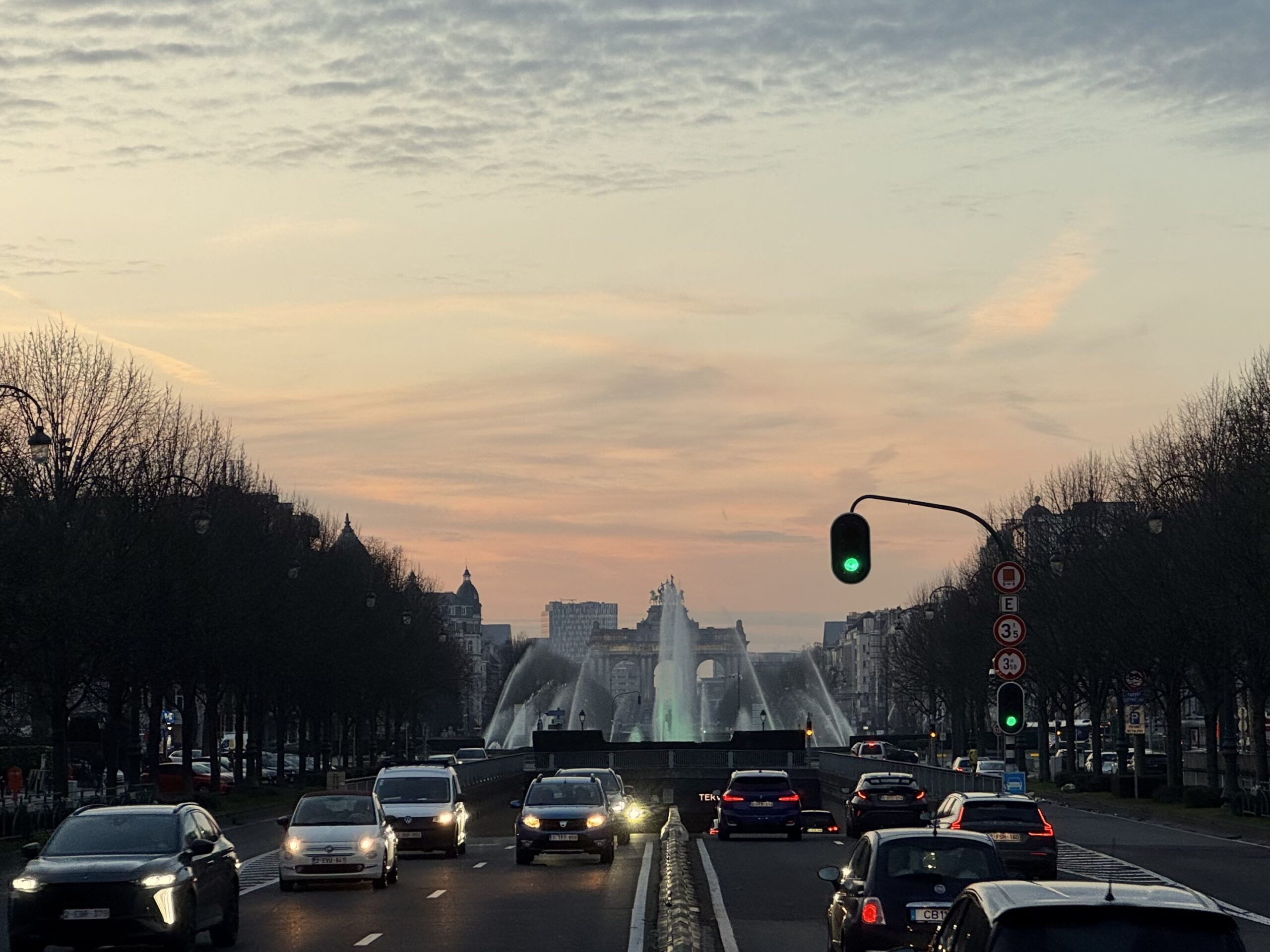
If you want to change something in Brussels, you have to be brave, bold and focused. Touching the car tunnels is a sensitive matter. It goes to the gut instincts not only of drivers, but even of people who rarely use a car.
The familiar argument is that tunnels are indispensable for traffic flow – the same claim once made by opponents of dismantling the Reyers viaduct. Yet when that bridge was finally removed, traffic actually moved more smoothly. The viaduct, it turned out, was unnecessary.
That is the question Brussels must now ask of its tunnels: are they truly needed? Not only for traffic, but also for the creation of higher-quality public space – as Madrid has shown so successfully in front of its Royal Palace. This should not be framed as an ideological issue, because that only turns it into an identitarian and needlessly divisive debate.
After years of struggle, Brussels residents are ready for better public spaces. I am therefore in favour of carefully planned tunnel closures – with the emphasis on carefully. Simply closing tunnels is costly. Doing it intelligently means addressing the “necessity” argument and repurposing tunnels as underground car parks or storage facilities, which Brussels sorely lacks.
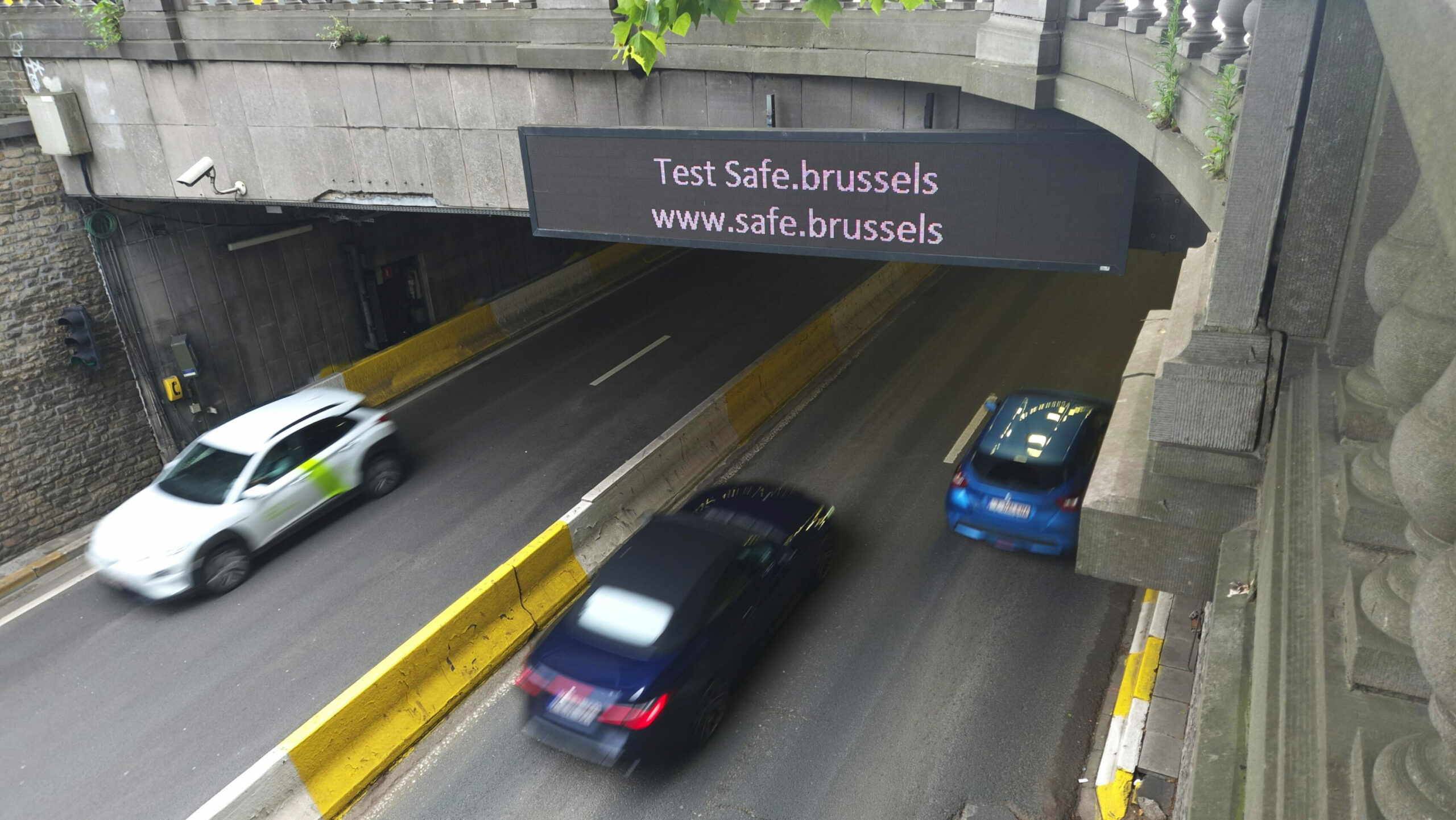
Warning message of Safe.Brussels pictured at an electronic sign above the entrance of a Brussels' tunnel, Tuesday 10 June 2025. Credit: Belga
With that approach, the Annie Cordy Tunnel (formerly the Leopold II Tunnel), along with the tunnels at Boulevard Botanique and Porte de Hal, should remain part of Brussels’ traffic infrastructure. The Botanique Tunnel could even be extended, reconnecting the Botanical Garden with Boulevard Botanique and creating direct access from Boulevard Pacheco.
By contrast, the stretch between Avenue des Arts/Bisschofsheim and Porte de Namur could be transformed into a vast green urban boulevard. Putting traffic underground here – particularly between Porte de Namur and Louise, extending towards Porte de Hal – would allow the creation of a magnificent public space and even an open-air luxury shopping district between Porte de Namur and Louise.
That said, this is not my top priority. That should be transforming Avenue Louise itself into a broad green urban boulevard, without tunnels. Existing tunnels – while retaining the Stéphanie Tunnel – could be converted into underground parking, linking Place Poelaert with the Bois de la Cambre via a green walking and cycling corridor, while still leaving adequate space for cars. Well-designed junctions could even improve traffic flow.
So let us begin there. Let us ensure that people are aligned, dare to imagine what is possible, and demonstrate that such changes would genuinely improve the city. Once that proof exists, rethinking the Petite Ceinture will become far easier.
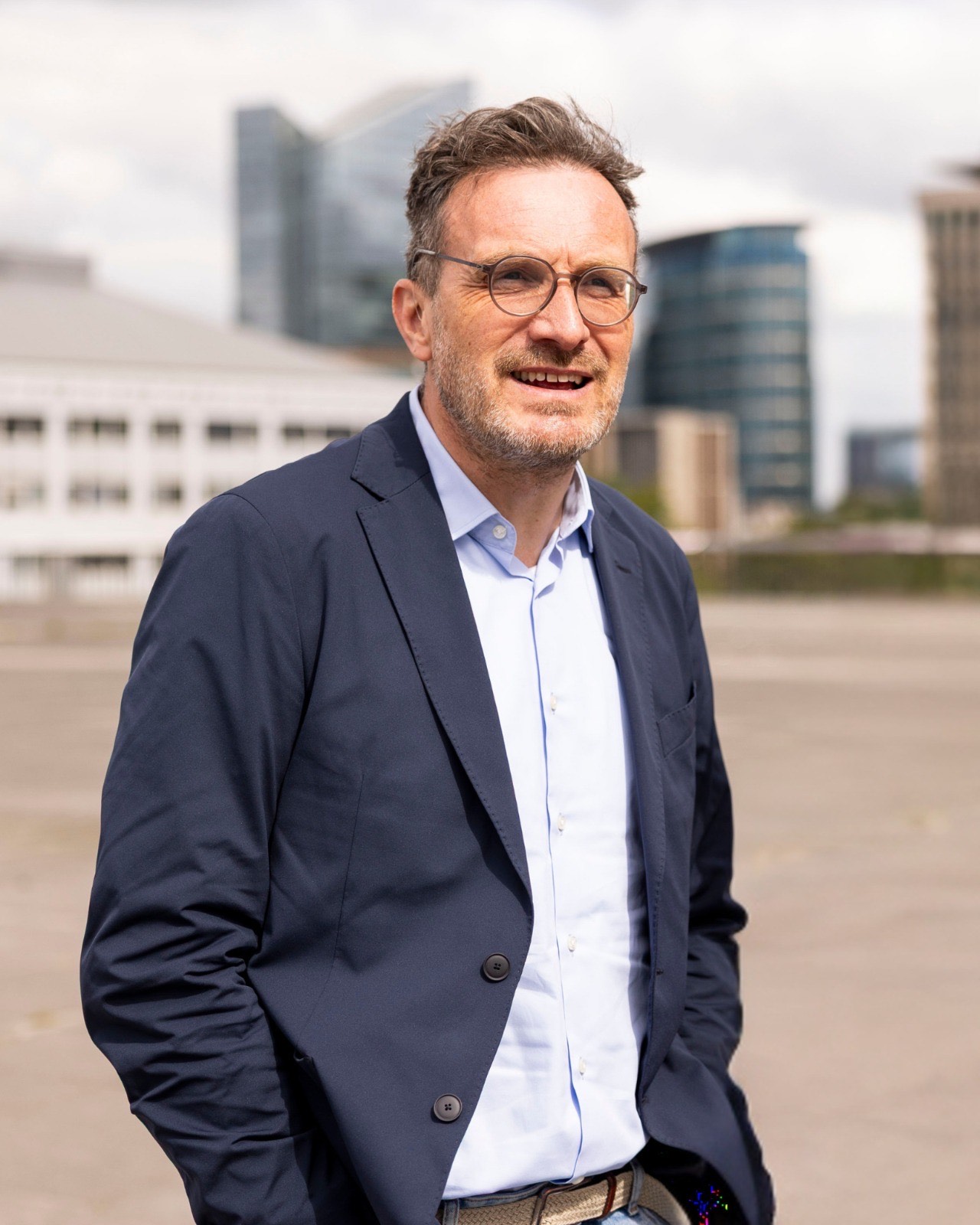
Vooruit leader in Brussels Pascal Smet
For now, those ambitions may have to wait. Brussels simply lacks the funds for major public works in the coming years. What money is available must be directed towards urgent renovations, notably the Arts-Loi and Belliard tunnels, whose refurbishment is long overdue after years of ideological deadlock. There is also the commitment to dismantle the Hermann-Debroux viaduct, along with extensive bridge renovations delayed for too long. At the same time, investment in public transport – new metro and tram lines – must continue.
Ambition is still necessary. So is pragmatism: an approach that reconciles competing interests and reshapes the city intelligently. But first and foremost, Brussels must find the funding to make that ambition possible.
