
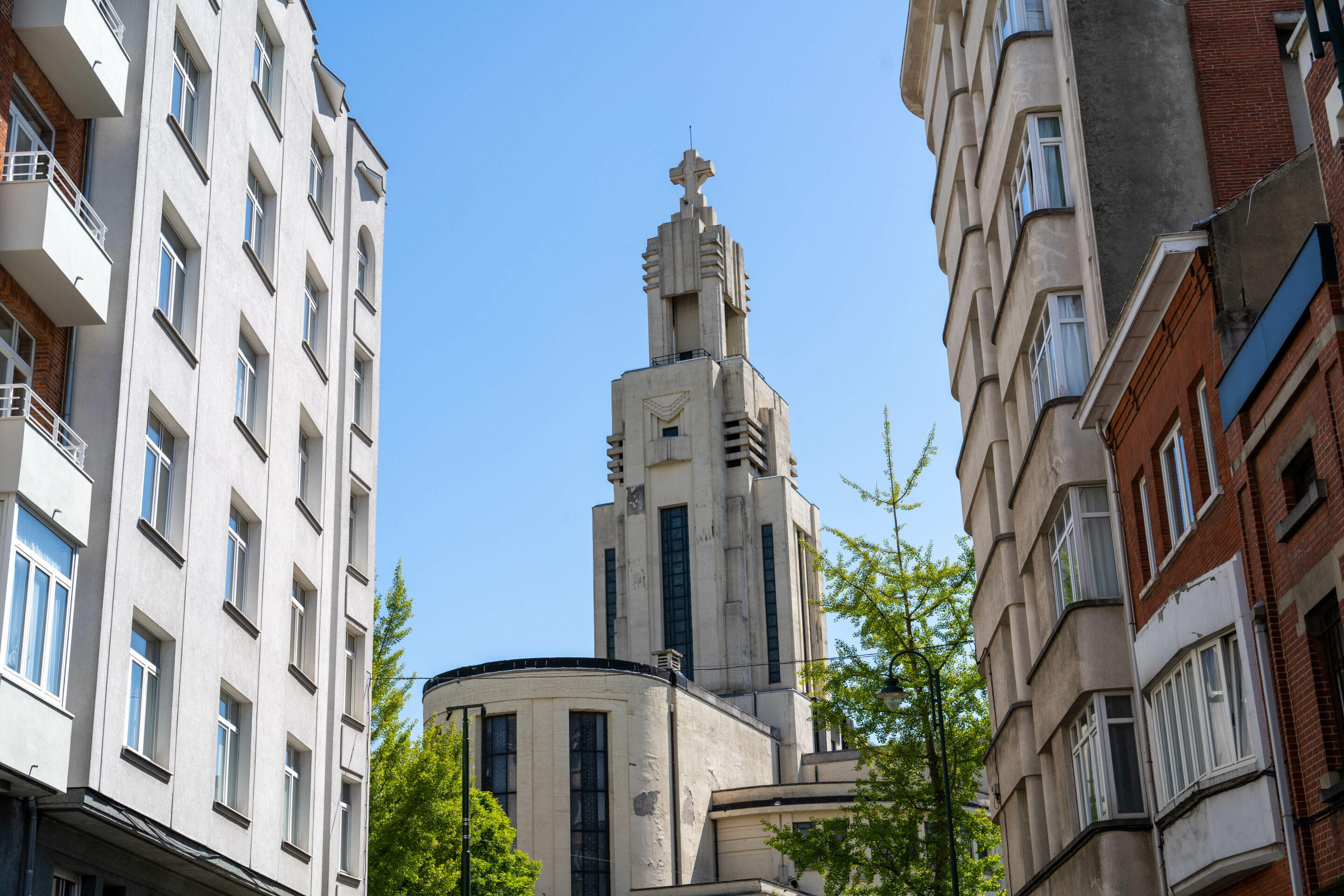
It might not the first place that springs to mind if you are planning a daytrip within Brussels, but visitors to Forest are likely to be seduced by its unique character, creativity and remarkable architecture.
The commune – also known as Vorst – sits just south of Saint Gilles, but in statistical terms, it always ends up somewhere in the middle.
The commune is less densely populated than its lively neighbour, but more urbanised than nearby Uccle. By size, it sits in 10th place among Brussels' 19 municipalities. Its rents, median income and demographics are all average within Brussels.
Perhaps this apparent lack of extremes is what makes Forest slip under the radar for many people – but it is a commune which is anything but average.
The ups and downs of Forest
Indeed, there are notable socio-economic contrasts within Forest. Generally, the parts of the commune closer to Brussels Midi and the canal tend to be poorer, facing the same socio-economic challenges as the city's so-called croissant pauvre (parts of Schaerbeek, Saint-Josse, lower Saint-Gilles and Forest, Molenbeek and Anderlecht).
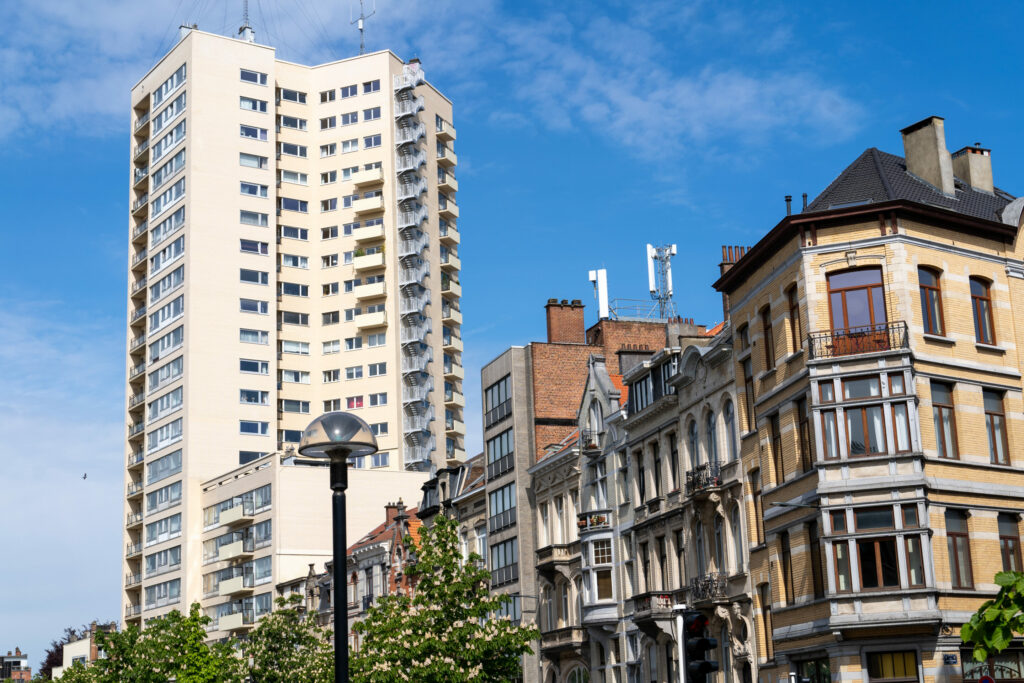
Photo made in the Forest commune. Credit: Vicente Torre / The Brussels Times
In contrast, other parts of the commune like Altitude Cent or Molière are full of expensive mansions, lush parkland and chic boulevards. Just like other luxury neighbourhoods of Brussels, these stand as a reminder of the area's affluent past and present. It is now a popular neighbourhood for French nationals spilling over from their stronghold in Uccle.
Forest began to develop during the 1800s, reaching about 9,500 residents by the end of the century, with its first Flemish residents calling it Vorstbosch (the Prince Forest). It was at this time that rich Bruxellois built their mansions in the commune.
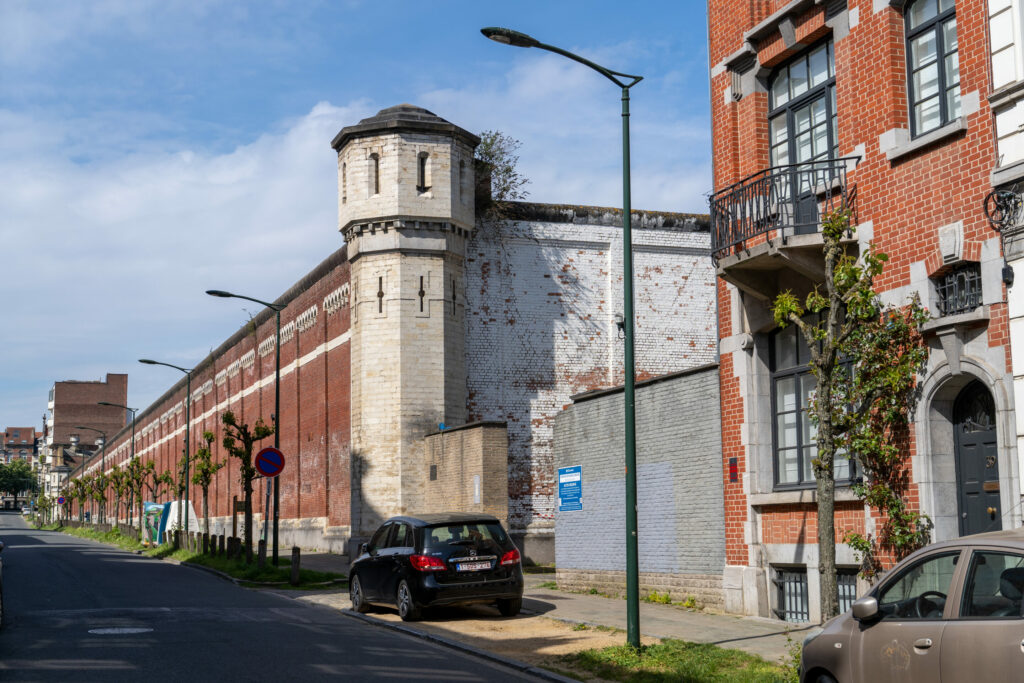
The now-closed prison of Forest. Credit: Vicente Torre / The Brussels Times
In the 20th century, Forest grew even further, urbanising rapidly and developing its industrial core – though since the 1970s, its industry has largely disappeared.
Today, it stands as a post-industrial residential area boasting an eclectic architectural mix that represents many different eras. Here, you will see charming Brussels townhouses, quirky Art Deco buildings, intricate Art Nouveau facades and brutalist-style social housing complexes all in the same neighbourhood.
The green heart of the commune
One of the most well-known places in Forest is Parc de Forest, the area's main parkland. It has large, open green lawns surrounded by chestnut trees – perfect for a picnic on a sunny day. It is also connected to Park Duden, which features remnants of the old forest, which gave the municipality its name.
It was in Parc de Forest where we met Yurate, a Lithuanian national, who has lived in Brussels for 10 years and who recently moved to the commune.
“I liked that it’s quite residential, but still very close to the city centre and to Ixelles," Yurate told us. "I also chose it because of the parks – the proximity to Parc Duden and Parc de Forest. I have a dog, so it’s very important for me to be within walking distance to nature."
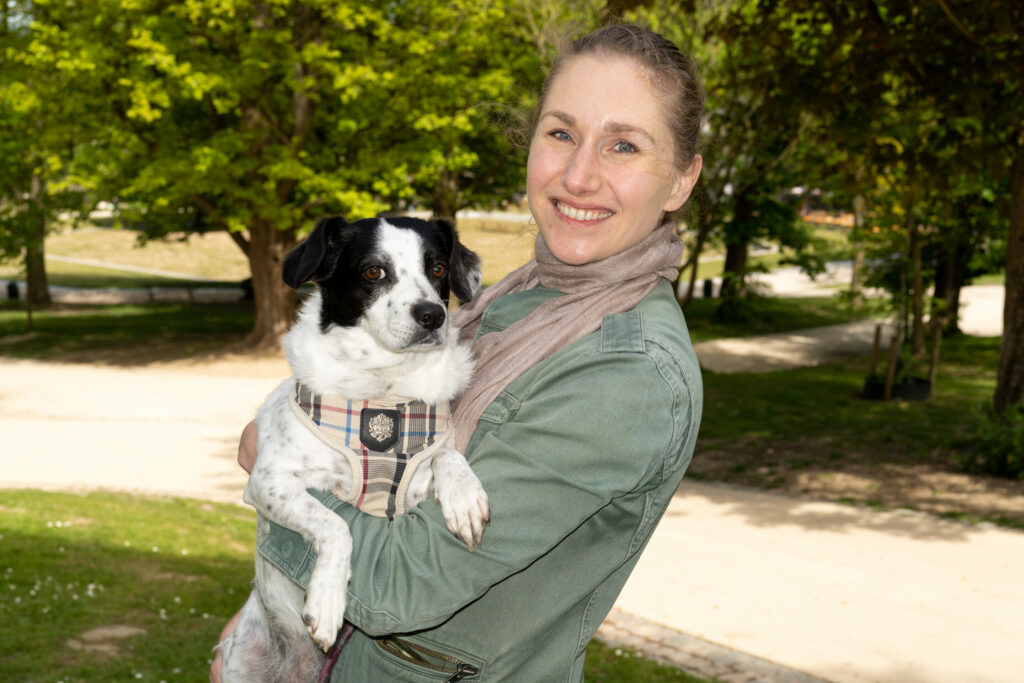
Yurate holding her dog in Parc de Forest. Credit: Vicente Torre / The Brussels Times
Yurate said that Forest is perfect for families to live in, due to its residential character. She thinks it is much quieter than other parts of the city, since it sits outside of crowded and touristy areas. However, she believes that the commune is becoming expensive to live in, and said she was surprised by the rent prices being as high as in Ixelles.
She likes some of the recent developments in the area, but thinks more can be done by authorities to ensure the neighbourhood is well looked after. “It already has a lot of interesting places popping up – lesser-known restaurants that give you the opportunity to discover something new in a different area," said Yurate.
“I feel the park could be better taken care of, and maybe the trash management could be a little bit better. The streets sometimes feel dirtier than in other communes. I feel that Forest is still developing, cleaning up, and organising itself.”
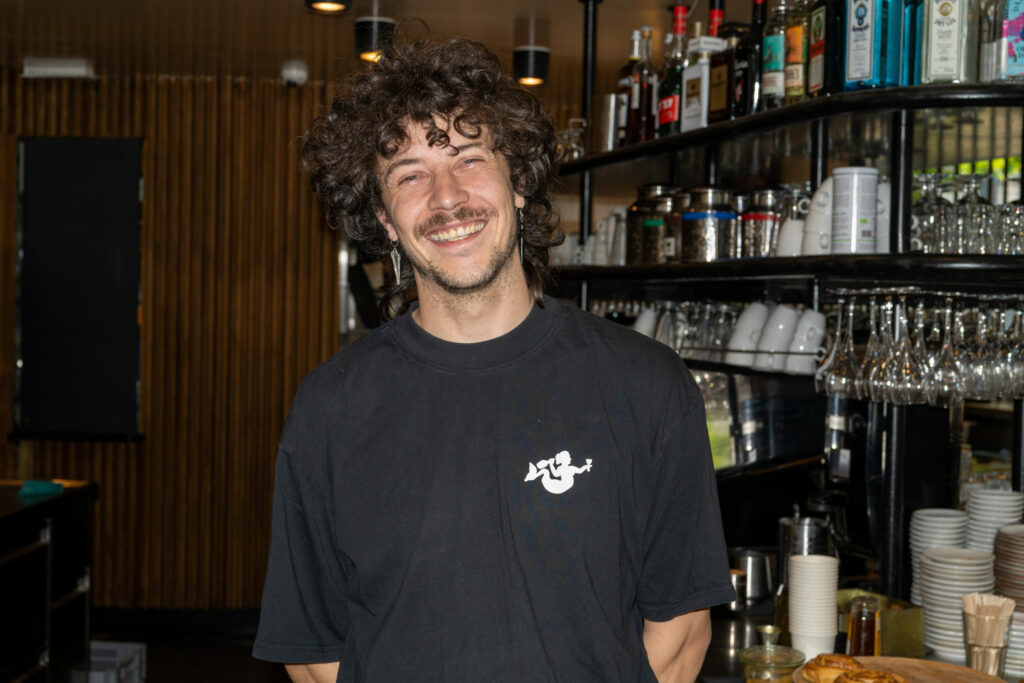
Lucas pictured in Bar du Matin. Credit: Vicente Torre / The Brussels Times
Lucas, manager of the popular Bar du Matin, shared similar thoughts about the commune. “There are a lot of new venues and places which seem great," he said. "I don’t know every place yet, but I go out here sometimes. It’s really green, popular, and there are a lot of different personalities. It’s a great place.”
He describes Forest as both family-friendly and great for nightlife, explaining that these two can work together. “You see families here on a Sunday or a Wednesday, just drinking coffee or beer with friends. They see the younger crowds getting ready for the party and the nightlife. I think sometimes those parents leave their kids at home and come back to enjoy a little party!”
Asked to compare Forest with nearby Saint-Gilles, Lucas describes it this way, “Saint-Gilles is kind of a village with an artistic and student vibe. Forest is more family-friendly and residential, but with a little spice to it.”
Forest’s ‘spice’
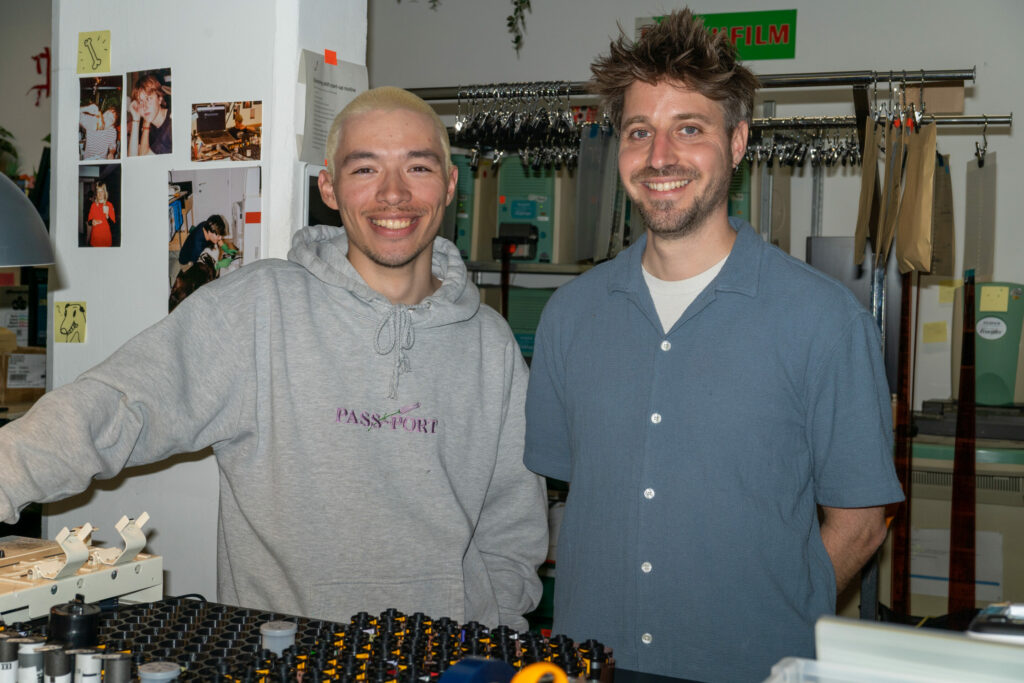
François and Cole from the Mori Film Lab in Forest. Credit: Vicente Torre / The Brussels Times
The thing that makes today’s Forest special is a similar creative energy to that of Saint-Gilles. Sitting on the border of the two communes, Mori Film lab on Rue du Croissant is the epitome of this phenomenon. The network of photography film labs has a niche, but hyper-loyal following in Belgium.
We talked to François and Cole, two associates of Mori, who shared their thoughts on the commune. “Mori is actually a part of the ‘Forest Factory’ co-working space,” Francois explained. “There are a lot of different companies in this building, but we were among the first businesses on the street over five years ago.”
“When we first arrived, there was just a Moroccan bakery on the corner. Now there are a few more things, but it's nice that it remains a fairly calm, residential area,” Cole adds.
Asked about the gentrification of the neighbourhood, François told us: “It is coming fast, and we know we are part of it by opening an analogue film lab here. However, I still see Forest as much more mixed than other communes. You still have Brazilian and Polish shops, then Moroccan bakeries outside.“
Come visit Forest
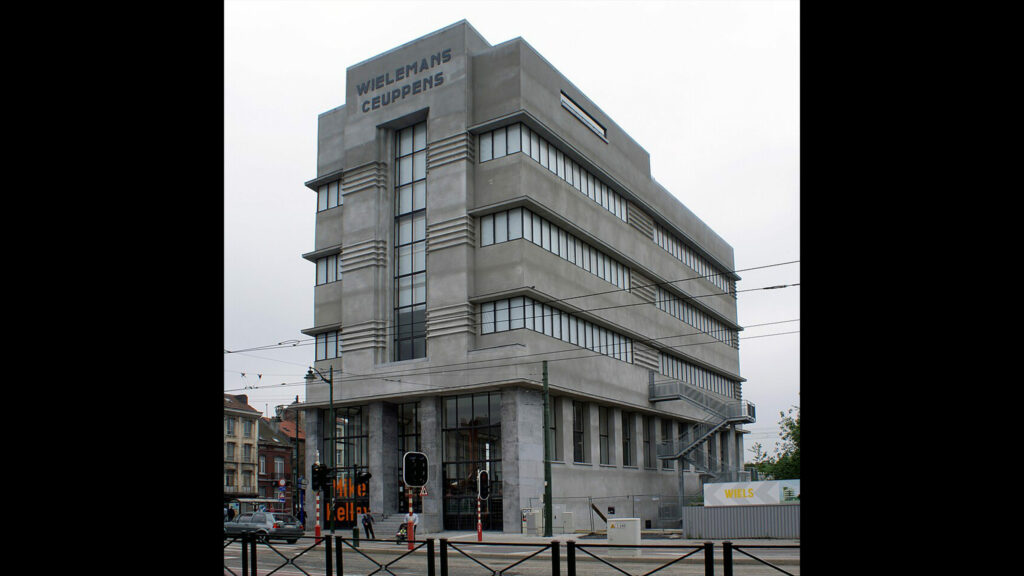
Wiels art centre. Credit: Wikimedia Commons
In our view, Forest deserves a special place among the Brussels communes. There's a lot to see and enjoy here, including the majestic Wiels Art Centre, panoramic views from Duden Park’s highest spot and the legendary concert hall Forest National. So next time you are thinking of exploring Brussels, go off the beaten track and give this underrated gem a shot.
