
Brussels has begun work on its first dedicated suicide prevention plan, with better data collection, support for vulnerable groups and continuity of care being the initiative's main priorities.
The plan is expected to be finalised by next autumn, with implementation beginning in 2028. Brussels will join other Belgian cities such as Flanders and Wallonia who have already implemented suicide prevention plans.
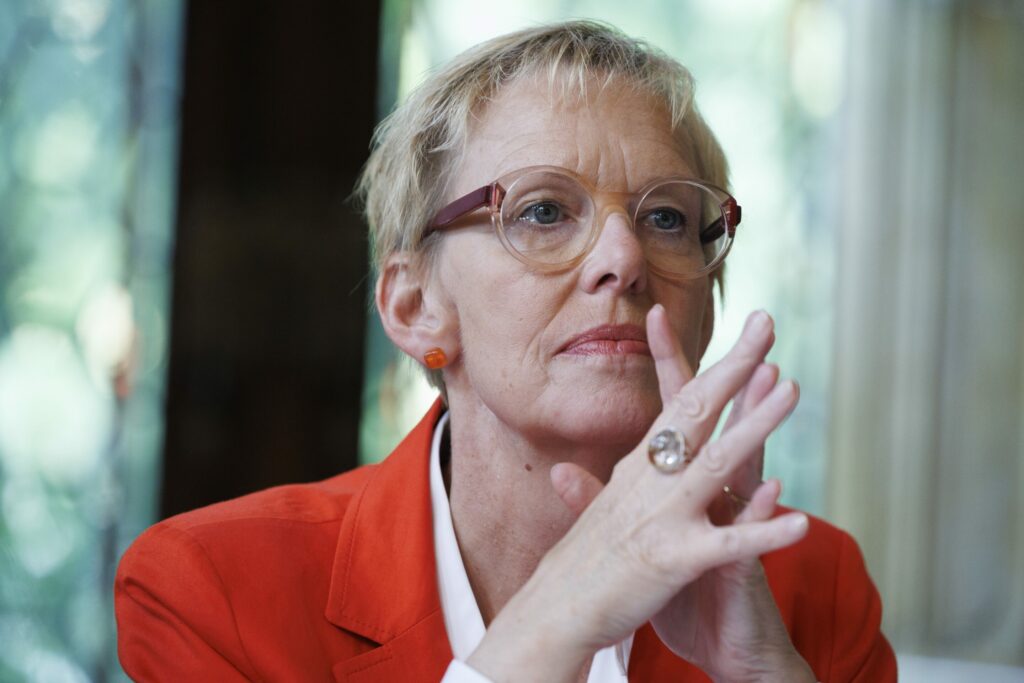
Brussels State Secretary Karine Lalieux (PS) announced the plan on Wednesday during a visit to the Suicide Prevention Centre (CPS) in the capital.
The Brussels administration will work with the CPS and other organisations involved in suicide prevention to assess the situation in the capital and draw up a roadmap.
The initiative comes in response to a rise in reported suicidal behaviour throughout Belgium.
According to Belgium's national health institute Sciensano, 10% of the surveyed population said in a November 2023 survey that they had experienced suicidal thoughts during the previous year.
In the same survey, 0.6% of people aged 15 and over reported having attempted suicide during that period, a 0.2% increase from 2018.
These figures estimate that the number of suicide attempts has risen from around 20,000 to almost 60,000 in those five years.
Sciensano recorded 1,762 suicide deaths in Belgium in 2022, equivalent to around 14 deaths per 100,000 inhabitants – which is 40% higher than the EU average.
The initiative's starting goal will be to map the support services already available in the capital and identify gaps. The authorities will also examine which groups are particularly vulnerable.
Loneliness is expected to be one of the factors considered, as CPS figures and data from the Brussels administration's Vivalis service show that 19.5% of Brussels residents report feeling isolated. Among young people, the number rises to 24%.
Suicide is the leading cause of death among 15-to 24-year-olds, accounting for more than one in four deaths in that age group. Sciensano cautions that official figures may not capture the full scale of the problem because some deaths can be difficult to classify as suicides.
CPS has made its desire to help implement the plan known, and is asking for help strengthening its team.
In 2025, the centre responded to around 25,000 calls from people in distress and provided more than 3,000 psychological consultations. Around 90 volunteer operators staff its telephone helpline.
CPS has reported an increase in calls relating to severe mental health issues to its anonymous and free helpline in recent years, with calls from young people increasing by 15% since 2020. The centre says it has also received calls from children as young as 11 expressing suicidal thoughts.
They’ve also reported an increase in 'postvention' interventions, which provide support for family, friends and peers following a suicide or other traumatic event.
These interventions have increasingly involved educational institutions, including secondary schools, higher education establishments and specialised institutions.
Improving continuity of care will be another priority of the plan. CPS has already reported an increase in postvention interventions, which provide support following a suicide or other traumatic event.
People experiencing suicidal thoughts or serious mental health difficulties can come into contact with emergency departments, psychiatric services, GPs and other mental health services. However, follow-ups will not be made mandatory.
No detailed budget for the plan has been announced. The amount of resources allocated from 2028 onwards will be an important factor in determining how extensively the measures will be implemented.
Those in need of a listening ear or with any questions about suicide can contact the Suicide Line anonymously on the toll-free number 1813.
02 648 40 14 (English)
0800 32 123 (French)
www.zelfmoord1813.be (Dutch)
