
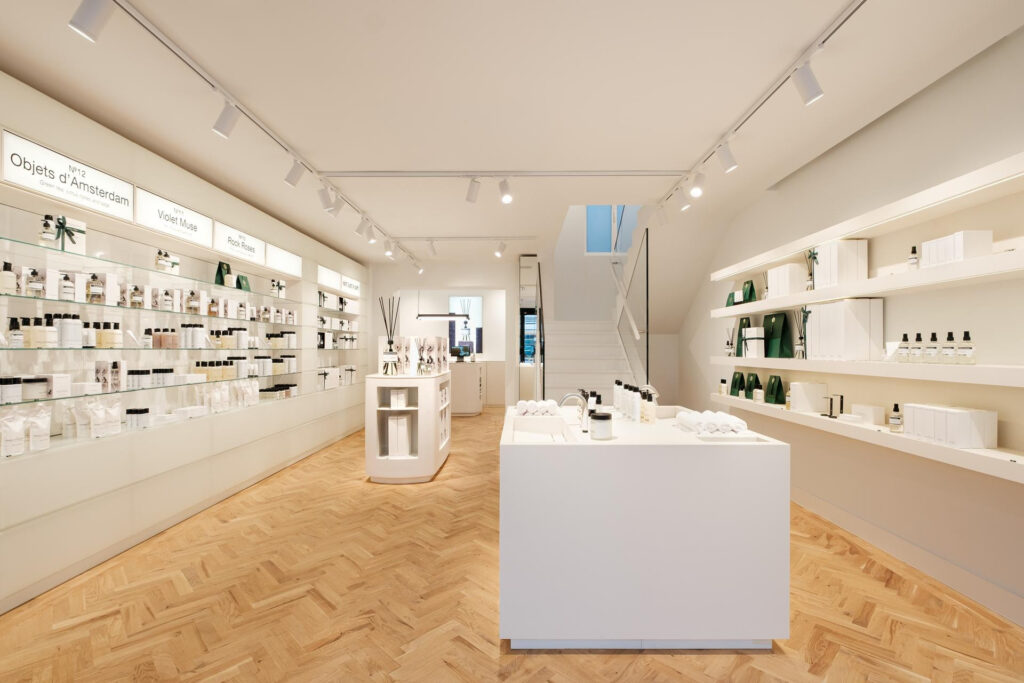
Belgian consumers are increasingly interested in high-end fragrances and body care products, but they are discerning shoppers who prefer to take their time before making a purchase, according to Kika Buhrmann, CEO of Dutch lifestyle brand Marie-Stella-Maris.
Speaking at the opening of the company's new boutique on Brussels' prestigious Avenue Louise, Buhrmann highlighted differences between Belgian and Dutch shopping habits from their market research, describing Belgian customers as more considered in their choices.
“Compared to, say, Dutch customers, they tend to linger a little longer before they buy. They perhaps spend more time thinking about the fragrances,” she said.
The company has also noticed subtle differences in fragrance preferences, with Belgian consumers tending towards softer, more soothing scents, although Buhrmann stressed that individual tastes vary considerably.
The new boutique marks another step in the Amsterdam-based company's expansion into Belgium, where it opened its first store in October 2024. The Brussels boutique is its fourth, following shops in Antwerp, Bruges and Knokke.
Buhrmann said Avenue Louise had long been on the company's wish list, given its reputation as one of Brussels' leading shopping streets, home to international fashion houses and luxury brands.
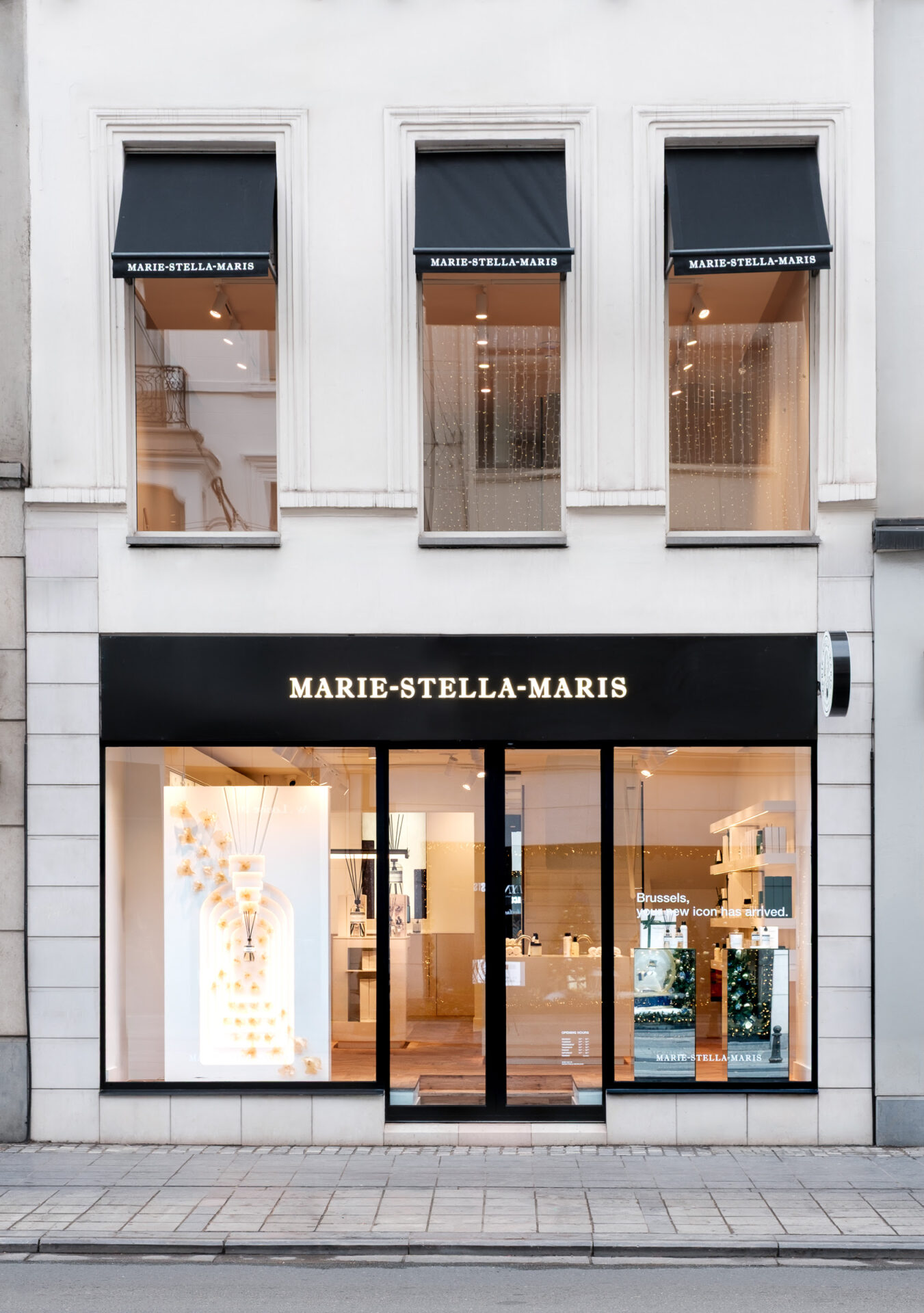
Marie-Stella-Maris shop on Avenue Louise. Credit: Marie-Stella-Maris
The company moved quickly when suitable premises became available, completing the refurbishment in time for the busy Christmas shopping season.
Founded in 2011, Marie-Stella-Maris sells hand and body care products, home fragrances and scented candles. Its emphasis is on distinctive, unisex fragrances, minimalist design and refillable packaging, with the company saying it uses predominantly natural ingredients.
The brand also promotes a social mission alongside its commercial activities, supporting projects that improve access to clean drinking water through a separate foundation.
The company says these projects have reached more than 145,000 people, including communities in Uganda, where access to water has helped families develop agricultural businesses and improve their livelihoods.
