
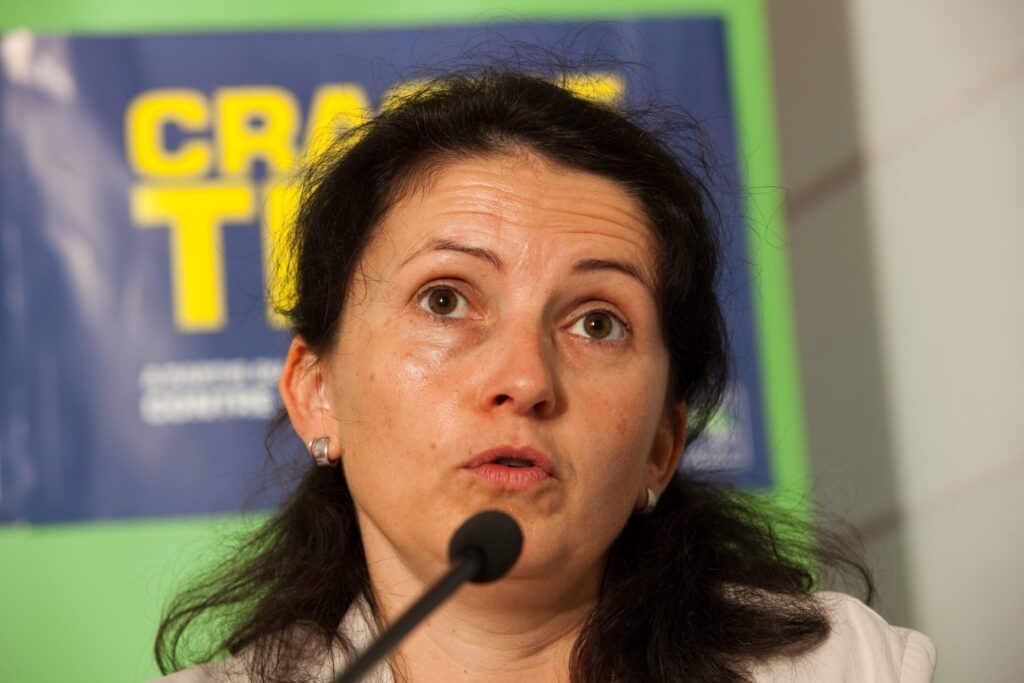
Incoming Brussels drugs commissioner Miran Scheers has been given three months to present a strategy to strengthen co-operation between regional services, municipalities, police zones and federal authorities.
Brussels Minister-President Boris Dilliès (MR) confirmed the timetable on Tuesday during a meeting of the Brussels Parliament’s Home Affairs Committee.
He said he had initially been sceptical about creating the new regional drugs commissioner role, but changed his view after consulting experts, concluding that it fills a missing link in Brussels’ response. Dilliès added that he does not yet know Scheers personally, but expects to meet her soon.
According to Dilliès, Scheers must define in her strategy how welfare and public health measures should fit alongside security policies. He said prevention, support for drug users, and harm reduction are essential, but stressed that addiction issues must be distinguished from the criminal organisations behind drug trafficking and armed violence.
He said those two realities require complementary but separate responses: care, support and harm reduction on the one hand, and police and judicial action against criminal networks on the other.
Scheers will also be tasked with evaluating the strategy and proposing adjustments where necessary, Dilliès said.
