
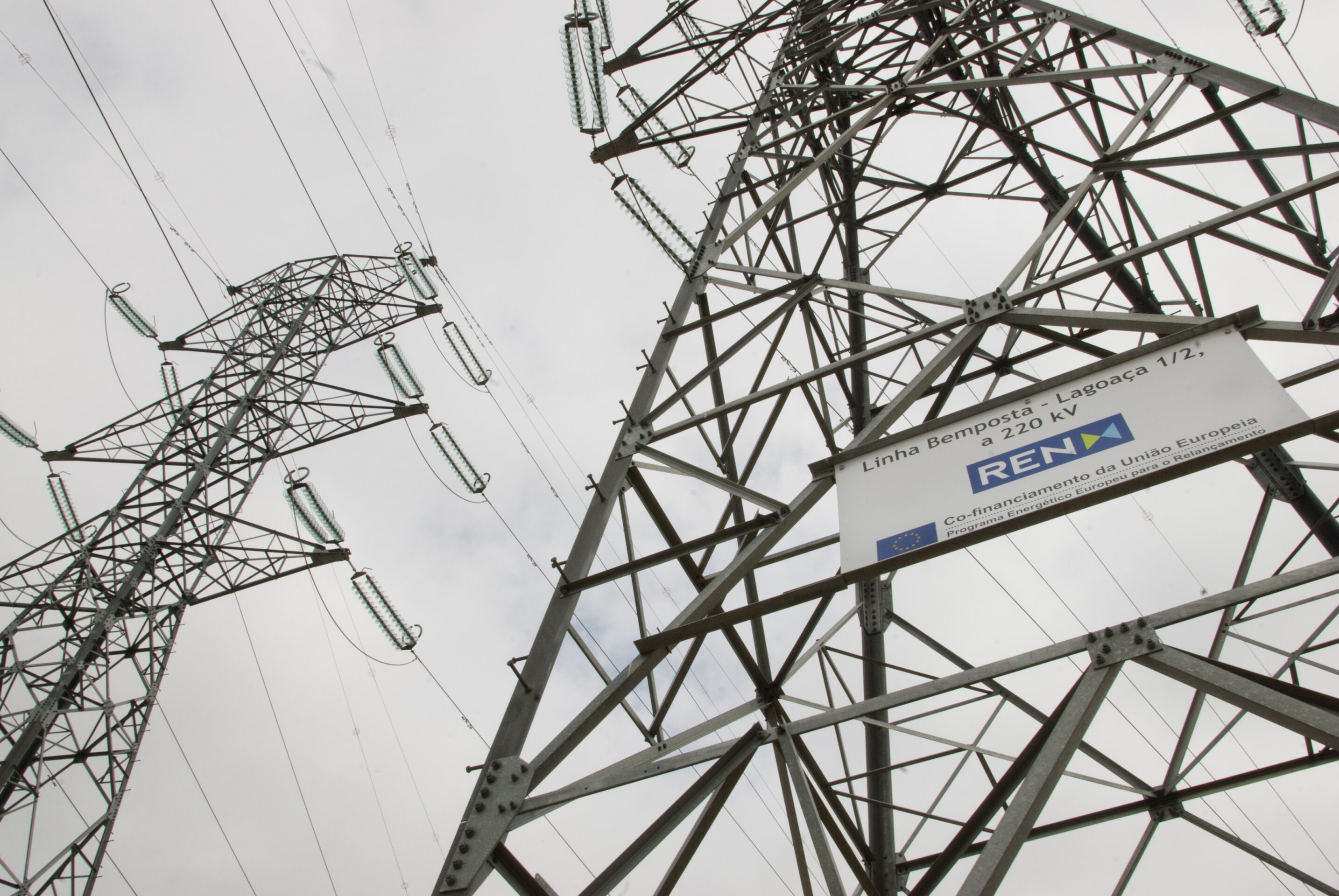
Spain and Portugal’s power outage this week will increase pressure on governments to improve two crucial areas of the green transition, so that it – hopefully – does not happen again.
On Monday, the Iberian peninsula went dark as power supply in Spain and Portugal completely collapsed. It crippled vital infrastructure and caused mild panic as communication networks went down.
Electricity was restored by Tuesday after a Herculean effort by engineers working around the clock to fix whatever had gone wrong. We still do not know exactly what caused the power to go off and an ongoing investigation into the incident is unlikely to come to any concrete conclusions anytime soon.
The Iberian blackout was probably due to a combination of factors or failures that combined to produce this unfortunate outcome. Whatever the reason was, it is a lesson for the future and is a valuable milestone on the energy transition journey that Europe is undertaking.
Regardless of what caused it, pressure will now increase on governments – not just in Spain and Portugal, but everywhere – to finally make good on their promises to invest more in electricity grids.
Many commentators and armchair experts immediately pointed the finger of blame at renewable energy for the power cut. This trigger reaction in most cases only served to expose the not-so-hidden agendas of those commentators.
More clean power is needed not less and the way to make sure it can be used and distributed where it is needed is to upgrade and expand electricity networks. Modern grids can absorb more green electricity and billions of euros are needed to develop them.
But it is an expenditure that has to be made. Energy experts have been warning for years that investments are needed so that green power supply does not outstrip the grid’s capacity. In many places that has become the case though.
So perhaps the Iberian incident will make governments stump up that cash.
Pressure might also be exerted on countries to build more cross-border power connections.
Spain and Portugal were able to keep critical systems online and restart power plants thanks to its electricity links with France and Morocco, which provided essential supply.
But Iberia is rather isolated within the European power market. Just a handful of interconnectors tie it to the wider network. Part of this is geography – the Pyrenees are a big obstacle – and the other part is political.
France is not particularly keen on helping to open the gates to abundant clean and cheap electricity, which Iberia is able to generate thanks to plentiful wind and solar resources.
French energy policy is of course built on the back of its vast nuclear fleet, which cannot match the power price point of solar panels and wind turbines. So investing billions in more links with Spain is a bit like turkeys voting for Christmas.
That position is becoming rather untenable though, as the incident this week demonstrated. Energy prices are the biggest hindrance to European competitiveness, so pressure will surely build on France to cooperate and build more links.
An undersea cable across the Bay of Biscay is currently being built and is due online in 2028. It will double cross-border capacity but more interconnectors will be needed to integrate Iberia into the market.
As we eagerly await the results from the blackout investigation, there are plenty of things we can be getting on with that are not dependent on that outcome.
Want more updates and analysis of what is happening in the world of energy and climate? Interested in finding a job in the sector or more information about public tenders? Sign up to our Energy Rundown newsletter here!
