
Europe is gradually moving towards an energy system that does not need fossil fuels to function. But potentially radical changes to how the system operates still need to be made before the next step can be made.
All across Europe, the trend is going towards green power and clean tech. In some places it is slower, in others the rate of decarbonisation is impressively faster.
Renewable energy sources like solar and wind are being built out rapidly and polluting fuels like coal and oil are being discarded. This is good for the planet, good for energy security and, ultimately, good for our wallets.
But although records keep being broken as more solar power is generated and more battery capacity installed, some energy systems are beginning to bang their heads against a glass ceiling.
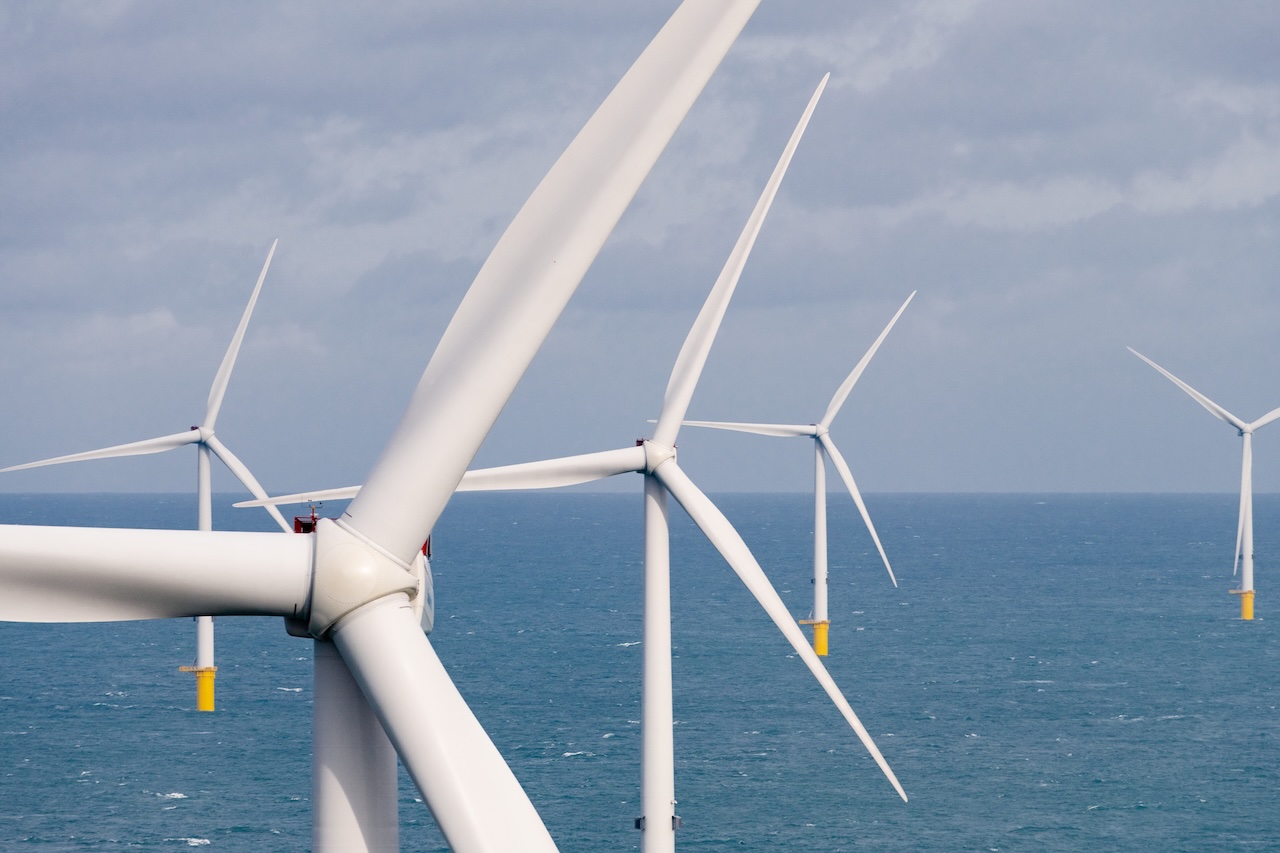
Take offshore wind power as an example. Countries with windy coastlines stand to benefit immensely from the massive turbines that can be built out at sea and used to generate lots of clean power on the cheap.
Each European country has its own ways of auctioning off seabed leases and project development rights. But it is becoming clear that some ways are better than others.
One way of doing it is to offer developers a so-called contract for difference. Essentially this is a financial instrument that ensures the operator is paid a minimum price for power delivered. That provides much needed certainty and investors love that.
Depending on the design, it also ensures that operators are only paid a maximum price as well, any revenues above a certain level are returned to bill payers or the government. It guards against price spikes and is supposed to again increase the chances of investment by guaranteeing stability.
CFDs have enjoyed political backing from the European Union lately, as it has encouraged governments to use them when brokering new power project deals.
But some countries have not switched to CfDs yet. Germany, for example, still uses so-called negative bidding in its auctions and actually allocated a site that can accommodate up to 1.2 gigawatts of turbines earlier this week.
Negative bidding entails developers placing bids for the amount of money they are willing to pay to build the project, so the higher the bid, the higher the chances of winning. CfDs are awarded based on the amount of money a developer says they will need to be paid, so the lower your price, the better.
Germany’s way of doing things is good for government finances in the short-term but ultimately the extra cost the developer has to pay is passed onto the consumer. That is why reform is being asked for by the industry. Without it, projects might start to dry up.
Getting more power into homes
How we build renewables needs fine-tuning and how we deliver that eventual power to homes and businesses also needs to be looked at.
Grids are becoming a bottleneck for further energy transition progress. Extra investments in upgrades and expansions totalling billions of euros are needed everywhere but are only coming in dribs and drabs.
One potential solution to the grid issue is to split up the electricity market zones that currently exist in some countries. If zones are smaller then the logic is that the price will be lower because power has less distance to travel from where it is generated.
That will increase the price in another zone with less generation but theoretically improve the business case for investors to go build some generation there in order to benefit from that higher price.
It is all long-term thinking and it is a solution that the United Kingdom is currently considering. At the moment, the island of Great Britain is one single power zone, stretching from the north of Scotland to the tip of Cornwall.
That means that everyone’s power price is higher because even if there is loads of cheap green power being generated in Scotland, transmission costs to the south bump up the price. A lot of power also goes to waste because it simply cannot be absorbed by the grid.
The government is due to decide on this next month and advocates of the idea insist that it is needed in order for goals like net-zero emissions to stand a chance of success. Critics say it is too much uncertainty at a time when the main objective should be maximising investments in infrastructure.
Germany has also been urged to split its single bidding zone into smaller areas but the new government there has pledged not to touch how the market is structured, at least for the time being.
So when it comes to the energy transition, it is not just a simple matter of ‘build it and they will come’. Lots of changes have to be made and some radical options considered if we want to drag our entire economy onto a more sustainable trajectory.
Want more updates and analysis of what is happening in the world of energy and climate? Interested in finding a job in the sector or more information about public tenders? Sign up to our Energy Rundown newsletter here!
