
Being the first to adopt a new technology or way of doing things comes with high risks and high rewards. However, the European Union is slowly but surely showing the world that there is little benefit to being in the vanguard.
Recent history has plenty of examples of people, companies and even entire countries that chose to take a leap of faith with a new technology or new policy and got punished for it.
When it comes to energy, cities that spent big on hydrogen buses or even trains are rapidly realising that it wasn’t a smart bet, because the fuel is expensive and in short supply.
In digital technology, anyone that bought a HD DVD rather than a Blu-ray understands this point well. There is a copy of 'Mission Impossible 3' somewhere in this columnist's attic gathering dust, never to be played again.
But there are also plenty of examples of first-mover advantage paying off in a big way: eBay established itself as a synonym for online auctions, Amazon sold books on the web before anyone else and France is reaping the benefits of spending big on nuclear in the ‘70s and ‘80s.
It is a simple investment tip that is easy to understand but not always easy to pull off: buy low, sell high. Get in on the ground floor before it becomes too expensive at a later date.
When it comes to policies, particularly energy and climate policies, big companies are constantly on the lookout for which rules and regulations they should get ahead of and which they should bide their time with.
Following the EU’s Green Deal back at the beginning of the decade, all the signs pointed towards an investment landscape that would be totally geared around being as green and sustainable as possible.
That ranges from e-mobility and clean fuel production to sustainable supply chains and renewable energy rollout. The direction was set, the writing was on the wall and the future was now.
But it hasn’t panned out that way and the European Commission, the executive branch of the EU that is meant to make sure that all of these rules and regulations are coherent so that businesses can thrive in the single market, seems intent on muddying the waters.
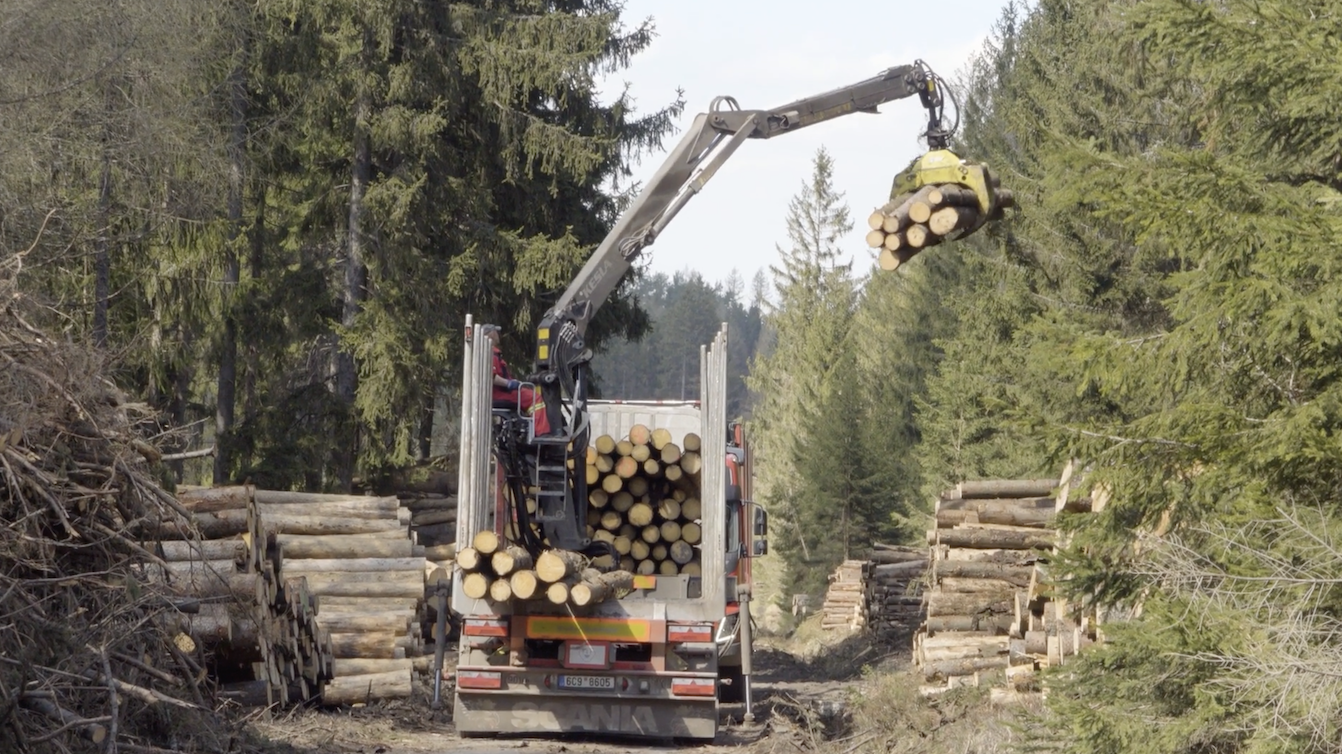
Earlier this week, the Commission announced that it would delay for another 12 months the implementation of a landmark deforestation regulation. Those rules are meant to make sure that imported goods were not produced in a way that has worsened deforestation rates.
It is the first policy of its kind in the world and was meant to leverage the massive purchasing power of the EU’s single market to affect change in countries where products like soy and beef are causing massive damage to the environment.
It was initially delayed in 2024 until the end of this year because the Commission wanted to give companies more time to adapt to the rules. Environmentalists didn’t like it but, ok, the regulation is new, it’s ambitious and it’s better to get it right straight from the start.
But now the deadline has been pushed even further down the road to end of 2026 after the Commission said that the IT system meant to govern all of the reported information on deforestation will not be ready in time.
The EU executive has denied that the delay is because of lobbying from trade partners like the United States and is standing by the technical reason it has provided.
Big companies with huge supply chains like Nestle are appalled at the development as they have been spending huge sums of money over the last 12 months to get ready for this deadline. Plenty of other players have done the same.
To have the rug pulled from under them is unjust and sets a precedent that businesses that play by the rules will not be rewarded, indeed they will be punished.
Lawmakers say that the rules as they are will be too burdensome for small companies but that logic seems to hold little water, as the majority of the reporting obligations will fall on the big fishes like Nestle.
A similar story threatens to unfold in the automotive sector, as some carmakers are pushing for CO2 targets and standards to either be watered down, delayed or scrapped altogether.
Again, big companies like Volvo that have planned for the future, set phaseout dates and made investments in all of the infrastructure needed to produce electric cars risk being left at a disadvantage.
In the name of competitiveness, EU decisionmakers are making some nonsensical policy choices that will in the long-term do the very opposite of what they are trying to achieve.
Appealing to the lowest common denominator rather than encouraging a race to the top is terrible short-term policymaking.
Want more updates and analysis of what is happening in the world of energy and climate? Interested in finding out more information about public tenders and consultations? Sign up to our Energy Rundown newsletter here!
