
Tehran may need to be evacuated due to severe water shortages if rain does not fall before the end of the year, according to Iranian President Massoud Pezeshkian.
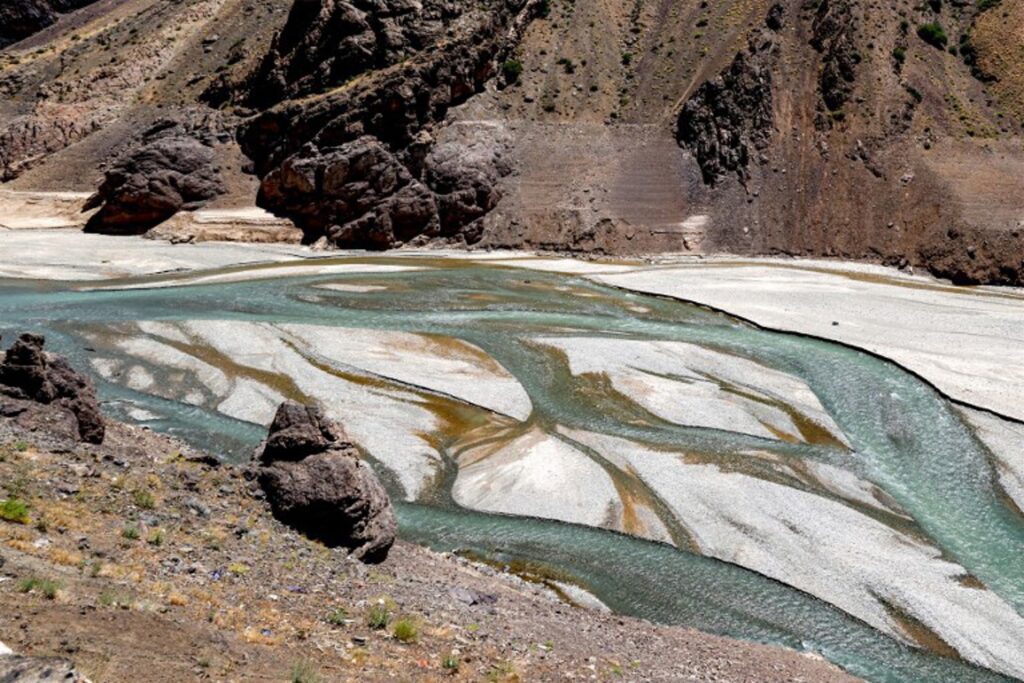
The country is experiencing its worst drought in decades, with the capital suffering almost unprecedented low levels of rainfall, according to local officials. One official stated in October that precipitation in Tehran was at its lowest in nearly a century.
In a televised speech on Friday, Pezeshkian cautioned that if the situation persists, water rationing in the city will begin between late November and early December.
He further warned that even with restrictions, Tehran could run out of water entirely without rainfall within that time frame, forcing authorities to evacuate the city. Pezeshkian did not elaborate on how the evacuation of over 10 million residents would be managed.
Behzad Parsa, head of Tehran’s water company, stated on Sunday that the city could face a shortage of drinking water in as little as two weeks, according to the official news agency, Irna.
The Amir Kabir dam, one of five key sources of drinking water for the capital, is holding just 14 million cubic metres of water — about 8% of its full capacity — he revealed.
Mohsen Ardakani, provincial director of Tehran’s water company, said on Wednesday that the city’s residents have managed to reduce water consumption by 10% over the past six months.
Ardakani noted that if the reduction can increase to 20%, it could stabilise the water supply temporarily for one to two months, providing a buffer until rainfall begins.
In recent weeks, water supplies have been cut in several neighbourhoods of the city as part of efforts to conserve resources, local media reported. Similar measures were undertaken this summer, with frequent water cuts.
In July and August, Tehran authorities even declared two public holidays during an intense heatwave to save both water and energy.
