
The European Parliament’s Environment Committee has approved a report aimed at reducing plastic pollution and making all EU-sold packaging recyclable by 2030.
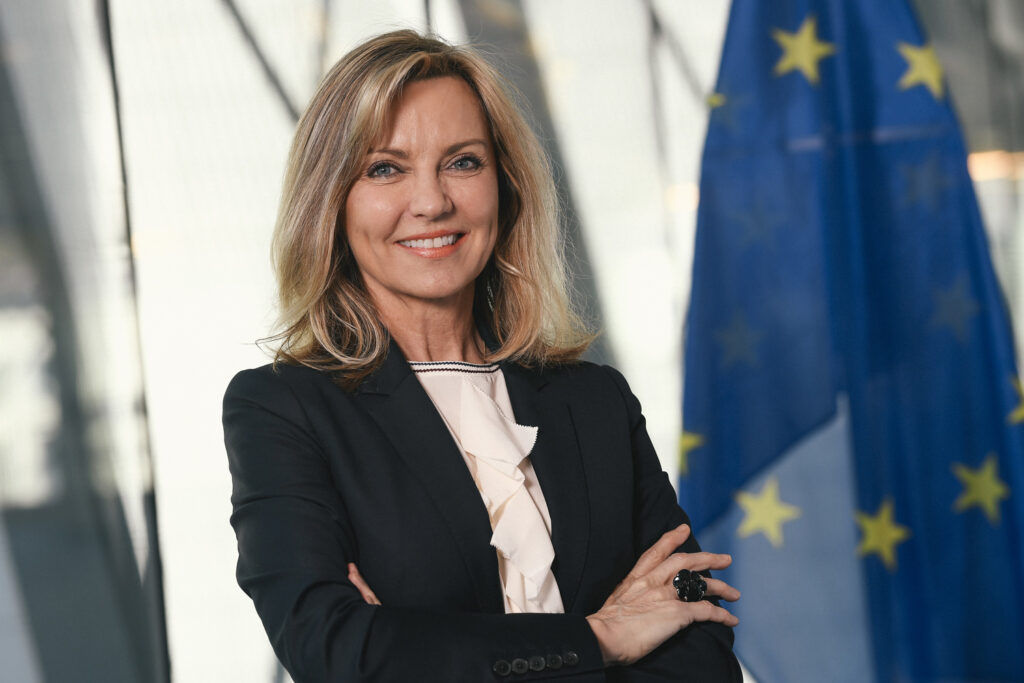
The report from Belgian MEP Frédérique Ries (MR, Renew) focuses on packaging and packaging waste and includes a ban on PFAS. It gained support from 56 votes, with 23 against and 5 abstentions, after nine months of intense work. It will be presented for approval in the November plenary and will determine the Parliament’s negotiating stance with member states.
Ries argued that effective recycling policies need safe, high-quality packaging. This is why the ban on intentionally added PFAS or ‘forever chemicals’ and Bisphenol A is a significant advancement for European consumer health, she emphasized in a statement.
For context, the average European generates nearly 180kg of packaging waste per year, amassing 84 million tonnes in 2021. However, only 40% of plastic packaging in Europe is recycled, making many believe recycling is not the sole solution, highlighted Ries.
Ries stated that she ensured the strive for environmental ambition meets industrial reality. This is mirrored in a vote that promotes innovation, upholds material neutrality, defers certain packaging restrictions by three years and introduces an exemption for businesses with fewer than ten employees.
Changes made by the committee also include letting consumers bring their own containers to be refilled at restaurants and other hospitality businesses.
Paper sachets survive
While all EU-sold packaging should be recyclable by 2030, elected officials want to postpone the goal of 90% reuse for appliance packaging from 2030 to 2040.
The committee outlined specific waste reduction goals for plastic packaging – 10% by 2030, 15% by 2035, and 20% by 2040. Moreover, a de facto ban was established on sales of ultra-light plastic carrier bags (less than 15 microns), with exceptions accounted for hygiene reasons or when used as primary packaging for bulk foods, preventing food waste.
By the end of 2025, the Commission should evaluate the feasibility of proposing objectives and sustainability criteria for bio-based plastic, as a key resource to break free from oil dependency.
There are still unresolved issues, like the ban on small paper sachets for salt, pepper, or sugar, raised by MEP Pieter Liesen, who nevertheless supported the text. Another MEP, Bas Eickhout, celebrated the failure of heavyweight lobbying attempts by fast-food giant McDonald’s, who hoped to maintain disposable waste in restaurants.
The report also received the backing from the Socialists & Democrats group. "For the first time in the EU, we are introducing quotas for packaging reuse to significantly reduce waste from single-use packaging like cups. We also ensured better recycling of unavoidable packaging, for instance, in medical fields," pointed out Delara Burkhardt (S&D - Germany).
