
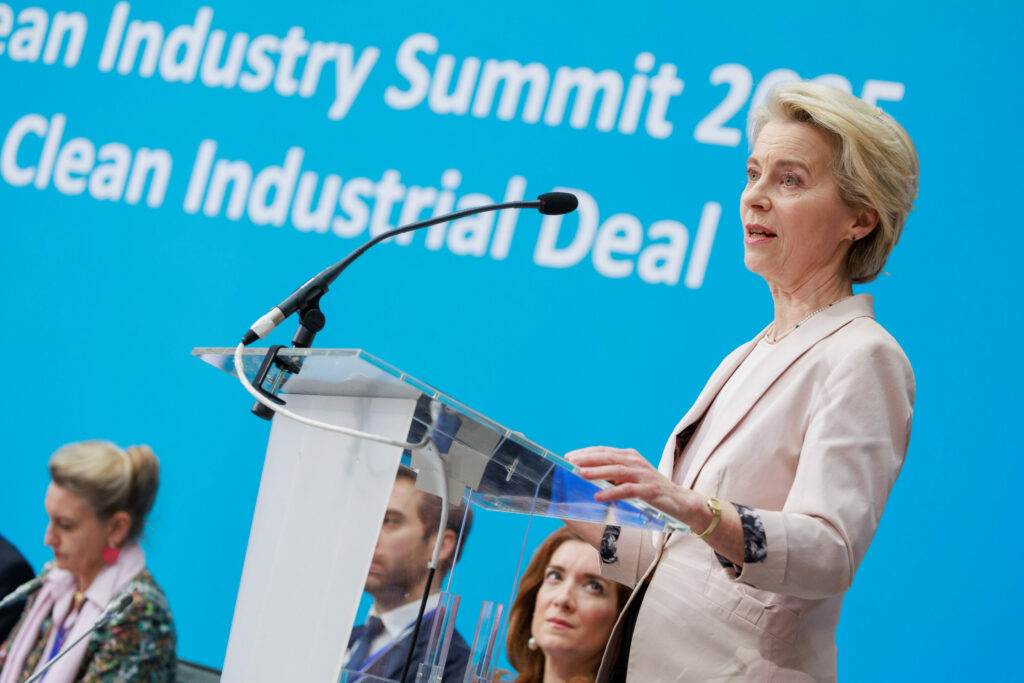
European Commission President Ursula von der Leyen unveiled the EU's new Clean Industrial Deal in Belgian industrial hub Antwerp on Wednesday, providing a framework for industry's green transition and the future of European economic competitiveness.
The plan comes amid mounting concerns over high energy costs and aggressive global competition. The EU is attempting to position its green industry as a driver of growth. The EU, which has experienced declining competitiveness in recent years faced with developing economies, wants to put clean green technologies at the forefront of its sustainability goals.
The announcement comes during the second edition of the Antwerp Declaration, an event gathering over industry leaders from over 1,000 organisation from 25 sectors. The industry summit aims to support the European Green Deal and safeguard jobs across industrial sectors.
Speaking at the event, von der Leyen acknowledged that European industry remains a hub of innovation but warned that "too many obstacles still stand in the way" of companies, from excessive bureaucracy to soaring energy prices. The Clean Industrial Deal, she said, will remove these barriers and strengthen Europe's position as a leader in green manufacturing.
"Europe is not only a continent of industrial innovation, but also a continent of industrial production. However, the demand for clean products has slowed down, and some investments have moved to other regions," von der Leyen announced on Wednesday. "We know that too many obstacles still stand in the way of our European companies from high energy prices to excessive regulatory burden."
The move, she believes, will remove bureaucratic barriers for major industrial companies, especially in high-tech sectors.
New deal for industry
The plan builds on last year's Antwerp Declaration, which called for a European Industrial Deal to complement the Green Deal and boost competitiveness across European industry.
At a a launch event alongside former Belgian Prime Minister Alexander De Croo on 20 February 2024, the platform united dozens of industry leaders.
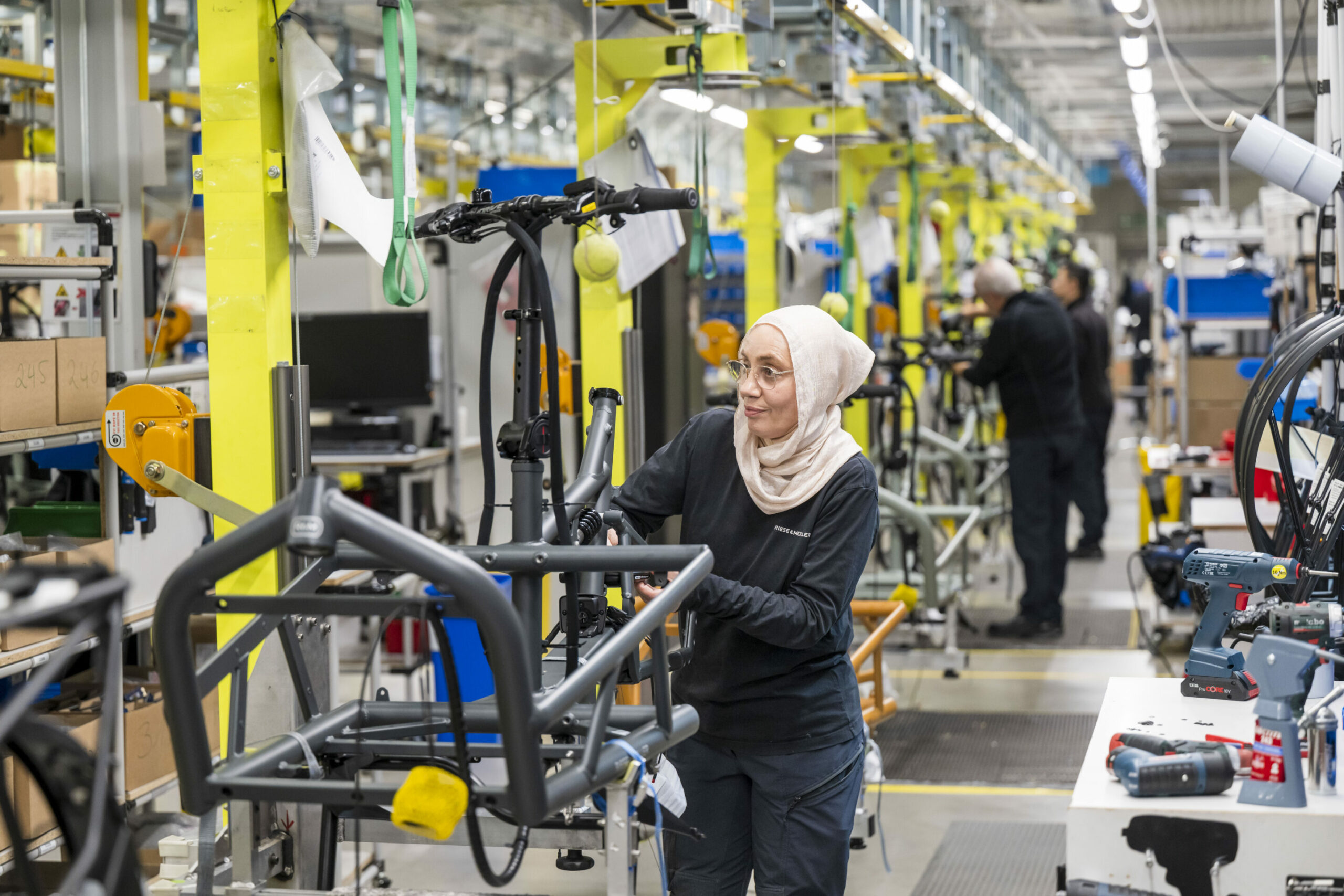
Employees work on the e-bike assembly line at Riese & Mueller in Muehltag (Nieder Ramstadt), Hesse, Germany on 6 December 2024. Credit: European Commission
Major industrial associations have long warned of declining competitiveness compared to other major economies. According to initial estimates, GDP growth across the EU is stagnating compared to its economic rivals. In 2024, EU economic growth amounted to 0.8%, compared to approximately 2.3% in the US and around 5% in China.
In August 2024, the Orgalim Council, composed of major players in the EU's high-tech manufacturing industries, denounced the growing gap between Europe and other parts of the world.
Returning to Antwerp, a major chemical hub and transit point of goods made within the EU to foreign markets, the Commission presented its plans to restore the EU's strategic competitiveness, notably by slashing unnecessary red-tape around green industrial initiatives.
Support for energy-intensive and clean tech industries
The initiative prioritises two key sectors: energy-intensive industries and clean technology. Companies struggling with high energy costs and complex regulations will receive targeted support to electrify and decarbonise operations. The EU also aims to strengthen the clean tech sector, which is seen as vital for Europe's industrial transformation.
In China, clean energy production and investments into clean-energy sectors contributed to 13% of total economic growth last year, a success that Europe intends to replicate. "The pact aims to position Europe as a world leader in clean industries – from boosting our 'made-in-Europe' production, to beefing up regulatory and financial support to our most strategic industrial supply chains," commented Stéphane Séjourné, Executive Vice-President for Prosperity and Industrial Strategy.
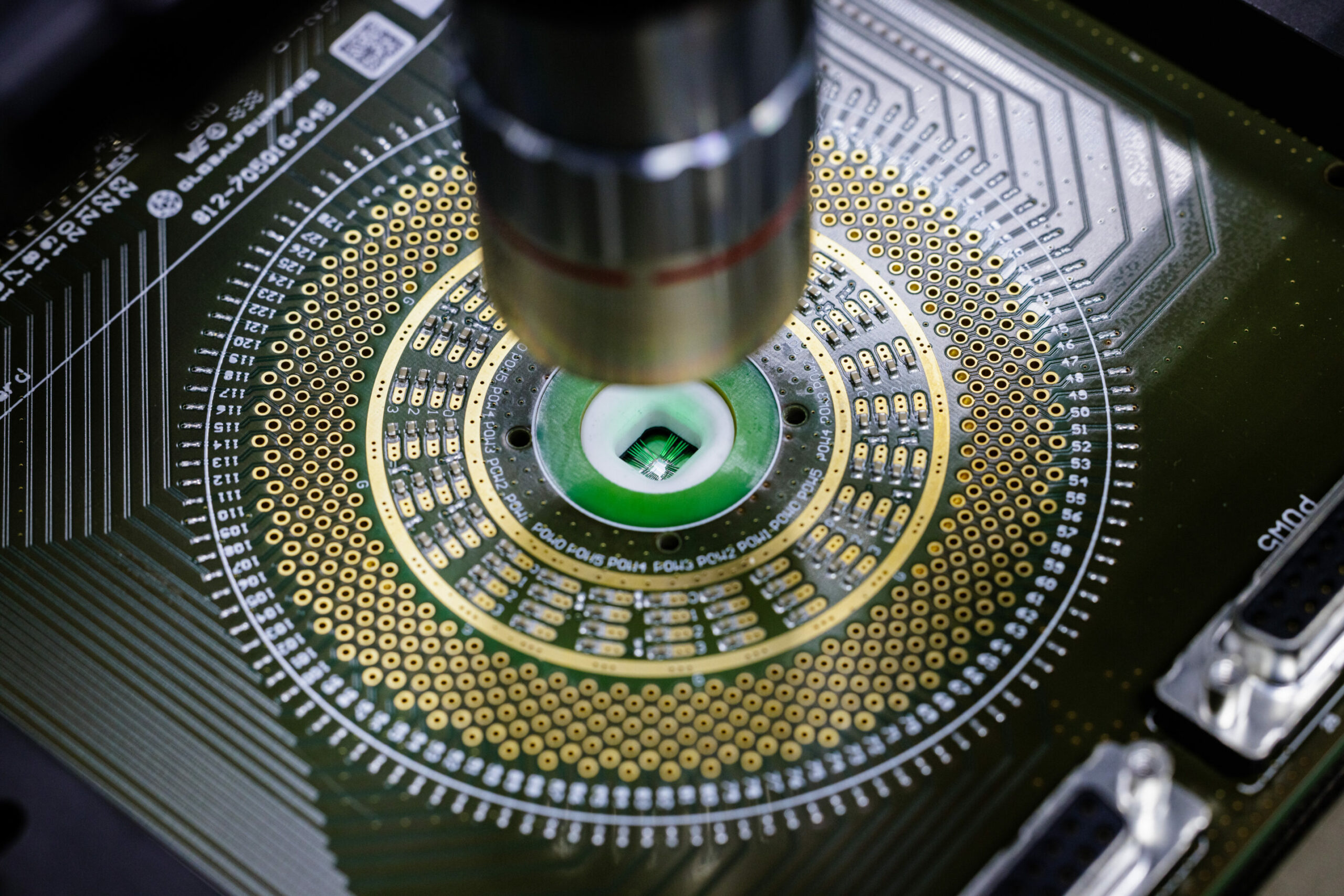
Visit to the Globalfoundries chip factory in Dresden, eastern Germany on 8 February 2022. Credit: Jens Schlueter/European Commission
In Europe, a new Industrial Decarbonisation Accelerator Act will help boost demand for sustainable products, while a voluntary carbon intensity label, starting with steel in 2025, will allow manufacturers to showcase their green credentials.
The Commission has pledged over €100 billion in funding to support clean manufacturing, including €1 billion in guarantees under the current financial framework. It will also introduce a Clean Industrial Deal State Aid Framework to speed up the approval of subsidies for renewable energy projects and industrial decarbonisation.
Further measures include an Affordable Energy Action Plan to lower industrial energy costs, reforms to public procurement rules to favour EU-made clean products, and new mechanisms to secure access to critical raw materials.
"Europe needs to be cleaner, more competitive, and self-sufficient," Wopke Hoekstra, Commissioner for Climate, Net Zero and Clean Growth said at the event in Antwerp. "We're putting our plan into action to ensure a prosperous European future."
A key moment for Antwerp's industry
With its significant chemical sector and one of Europe's largest ports, Antwerp could be a major beneficiary of the deal. The city has long been a centre for industrial innovation, and local businesses will now have access to enhanced funding and policy support to transition towards greener manufacturing.
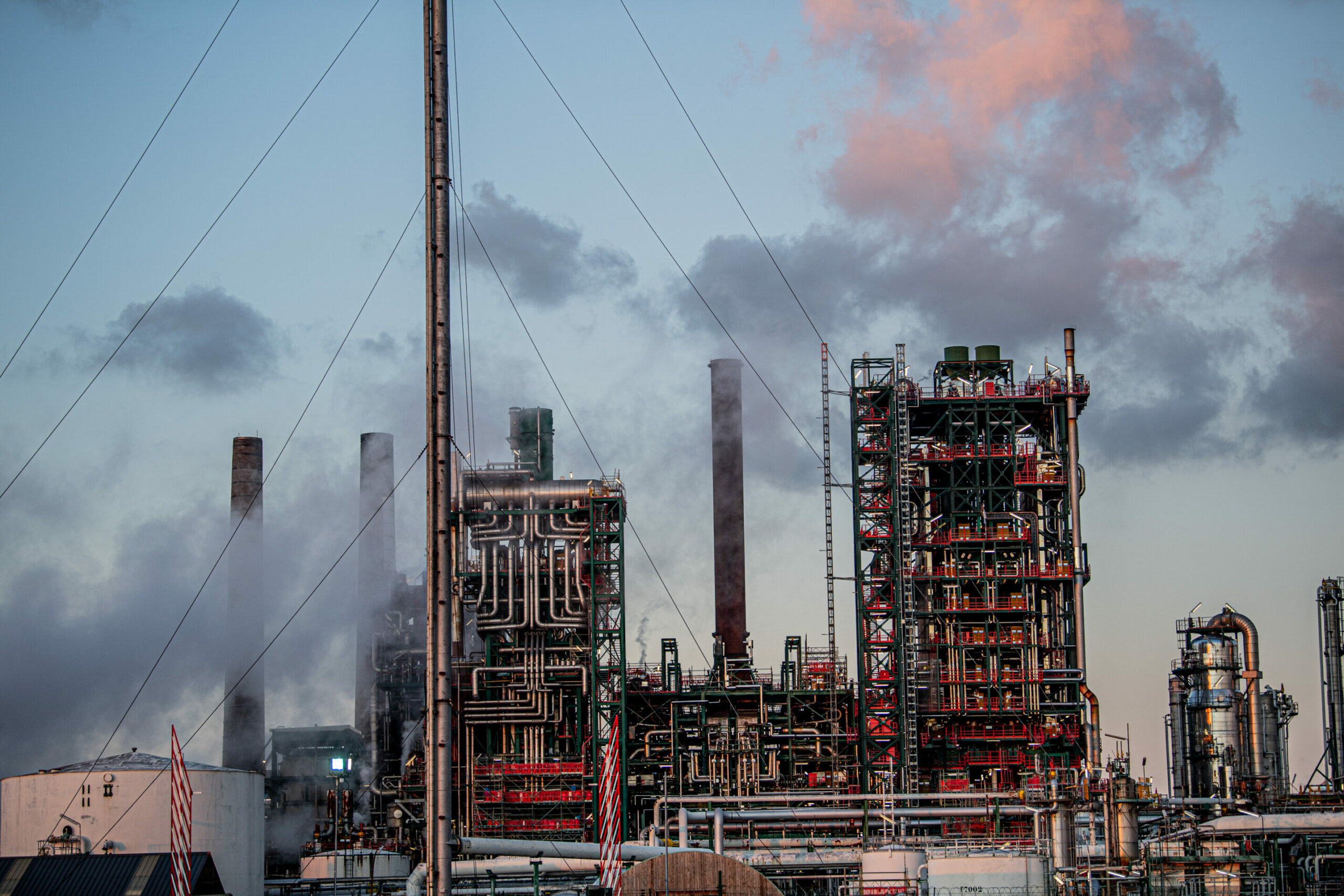
The Port of Antwerp, Belgium, located 80 kilometers inside the lands, is one of the greatest cargo ports in Europe, and houses the largest lock in the world. It's also a benchmark for green shipping and allows the fastest and cheapest liaison with Europe hinterland. Credit: European Commission
The Port of Antwerp-Bruges has established itself as a "green energy hub", positioning itself as a major hub for green hydrogen and renewable energy generation. It is also known for its comparatively dirtier petrochemical and refining sectors. TotalEnergies maintains Europe's largest oil hubs on the Belgian coast, refining over 338,000 barrels of oil per day.
The Commission will present sector-specific action plans in the coming months, including strategies for the steel and chemical industries, all industries with deep ties to Antwerp's economy.
