
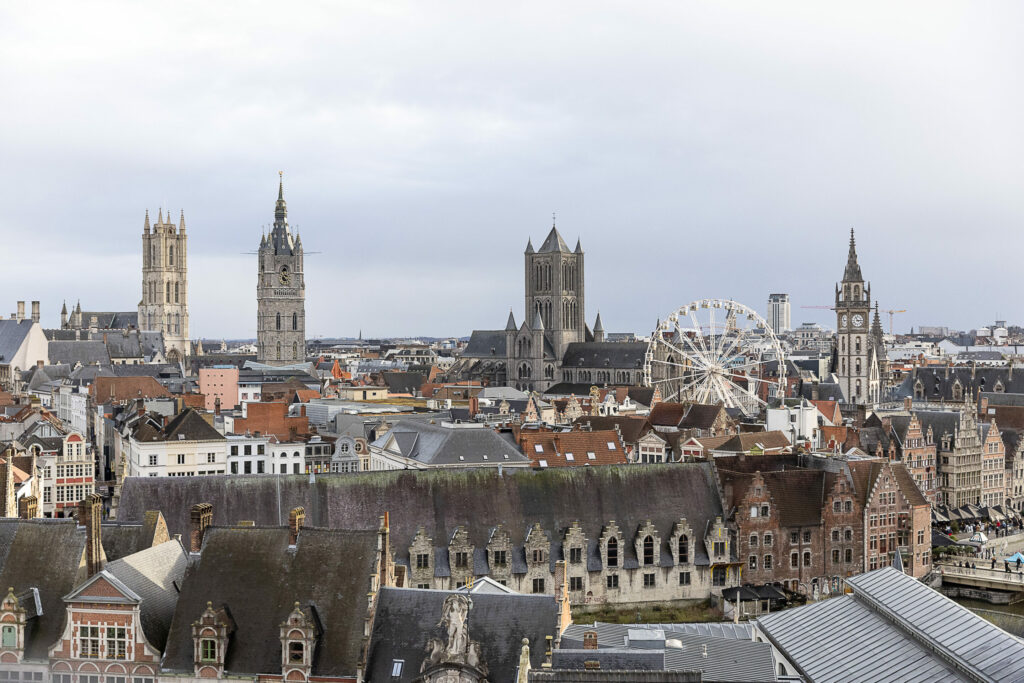
One Belgian city is among more than 90 others joining forces to call on EU leaders to recognise local and regional governments as essential partners in shaping Europe's future – initiated by the global network ICLEI - Local Governments for Sustainability (ICLEI Europe).
As the European Commission prepares to unveil its formal proposal for the next budget (2028–2034), local leaders – including the mayor of the Belgian city of Ghent – published a joint letter to urge the EU's leaders to rethink how EU policy is made and who gets a seat at the table.
"Cities such as Ghent already play a key role in achieving European objectives, from climate and energy to social inclusion and innovation," mayor Mathias Declercq told The Brussels Times. To continue to do so, he stressed that closer cooperation with European institutions is necessary.
"The EU must develop policies with cities, not about cities. Only through genuine cooperation at every stage, from planning to implementation, can we strengthen Europe socially, environmentally and democratically. In short, we must make EU policy urban-proof."
'A powerful lever'
Declercq hopes that cities will be structurally involved in shaping European policy from the outset – not only as implementers, but as partners. "Cities are already making a difference in many areas on the ground and showing how challenges can be tackled in very concrete ways."
The letter calls for structured, permanent dialogue with local and regional governments from the start, including agenda-setting, co-design, and financing, so that EU policies are more effective and impactful on the ground.
Local governments, which are responsible for implementing nearly 70% of European Green Deal legislation and 60% of climate-related public spending, are pivotal in driving tangible changes. Additionally, they deliver transformation in sustainable housing, clean energy, innovation, public health, and infrastructure.
They should not be sidelined in European policy processes, the letter stressed. The signatory cities and regions of this letter alone represent over 47 million citizens and over 1,8 million employees. "Local projects are a powerful lever for achieving European objectives," Declercq said.
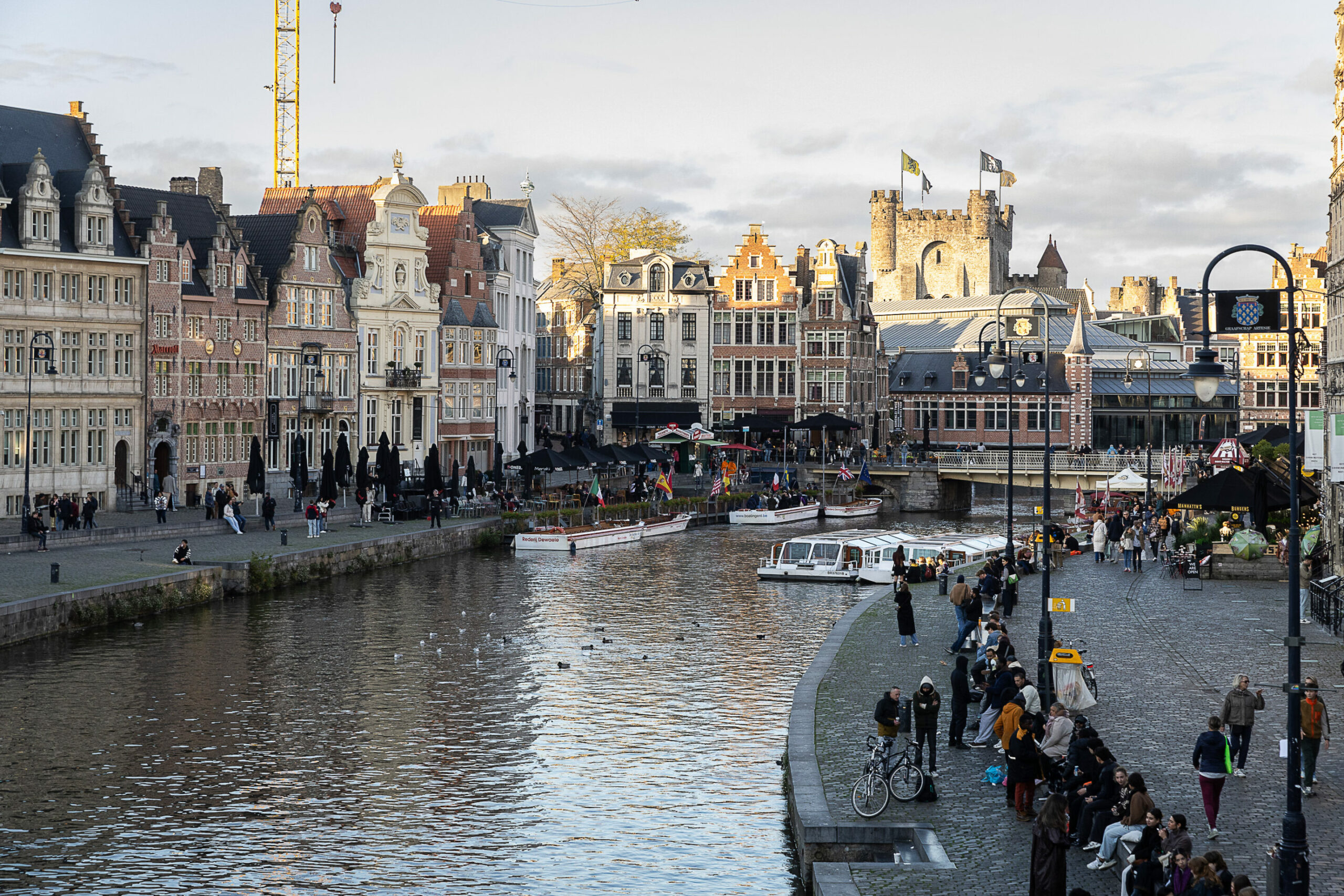
The city of Ghent. Credit: Belga/ James Arthur Gekiere
The letter is part of a broader commitment by ICLEI as the world's leading network of local and regional governments committed to sustainable development. "This way, I want to ensure that cities have a 'seat at the table' in the European Union and that European choices are in line with the reality of cities and their inhabitants," he stressed.
By signing this letter, Delcercq is adding his voice to leaders from cities across the EU, including Barcelona, Budapest, Lisbon, Copenhagen, Vienna, Munich, Tallinn, Rotterdam and Strasbourg.
Together, all of them are calling for a move beyond consultation to genuine collaboration at the EU level, seizing the next seven-year budget preparations as a critical opportunity to invest in regional development, social cohesion, and innovation.
No business-as-usual
The initiative was led by the mayors of Malmö and Freiburg, in their respective roles as ICLEI's Global and European Presidents. "The status quo is no longer an option, as Commission President Ursula von der Leyen said. We cannot afford business-as-usual nor to leave local and regional potential untapped," Katrin Stjernfeldt Jammeh, mayor of Malmö (Sweden) told The Brussels Times.
She added that not working together on policy-making is a waste of time and money. "You can decide on policies that sound smart at the EU level or national level, but if a policy does not work in regions, cities and towns, it will not work at all."
By bringing the local level to the table where the policies are being discussed, implementing them can happen in a more structured and planned way. "And as a result, we can achieve more and come up with smart solutions."
Local and regional governments are not only local service providers, but major investors in Europe's economy and green transition, she argued.
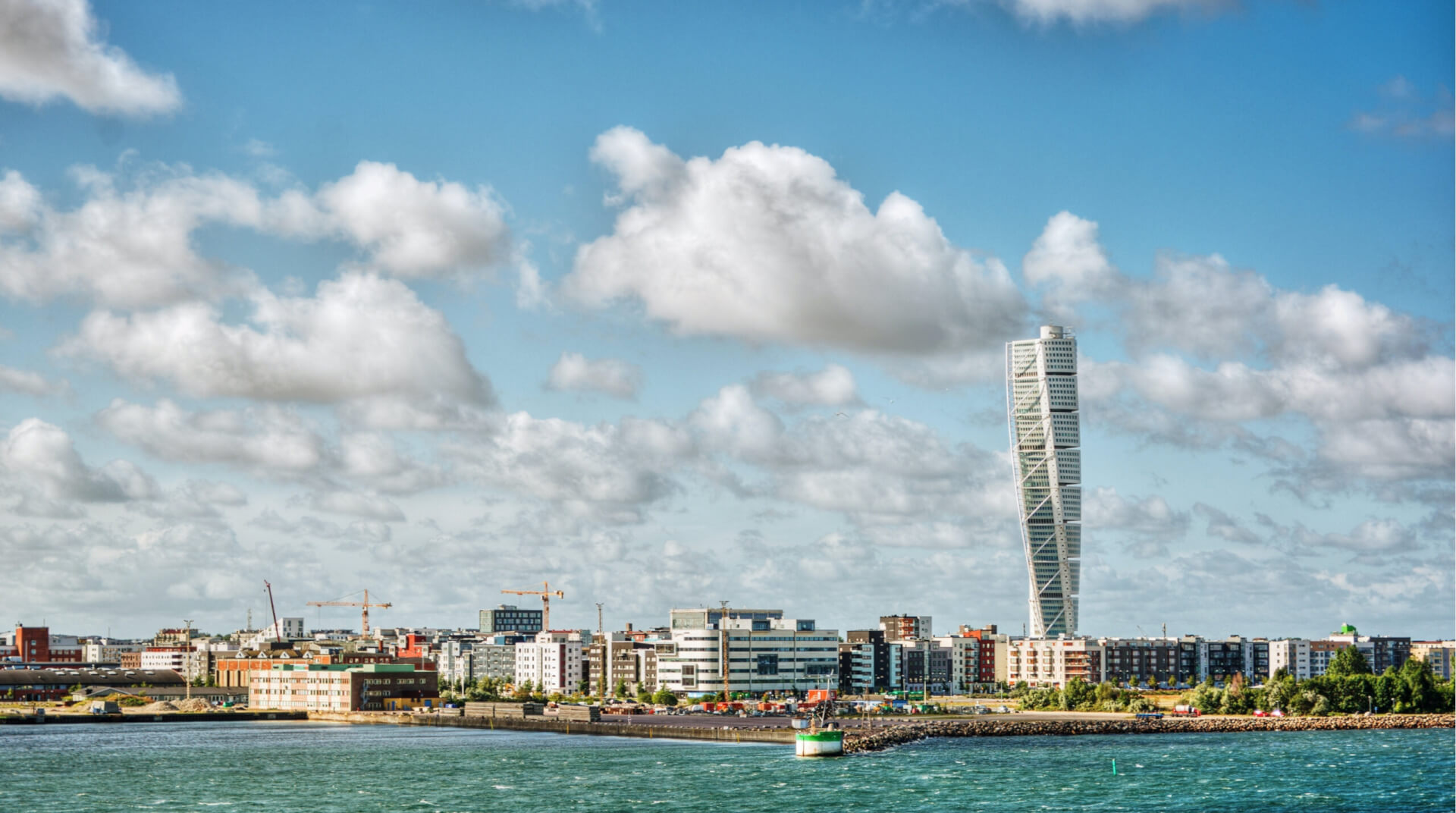
Swedish city of Malmö. Credit: Pexels
"Cities and regions are where the European project meets people. We are testbeds and engines of progress, we invest billions in infrastructure, social and public services that allow businesses to settle, operate and thrive. We are the engines of Europe's job creation, resilience and competitiveness, but we have to be let in and be part of the policy-making."
As drivers of Europe's transformation in areas such as sustainable housing, clean energy, digital innovation, infrastructure and public health, local and regional governments stress that EU funding must reach community needs.
Therefore, the letter highlights that multilevel governance must become a "guiding principle" for the next EU Budget to ensure that funding priorities reflect local and regional needs and that implementation is effective on the ground.
Most trusted level of governance
The signatories stressed that a stronger role for local and regional governments in decision-making is essential for turning European ambitions into lasting change in communities.
"Opinion polls show that local governments are the most trusted level of governance. And this trust is earned every day by engaging citizens on the issues that matter most to them," said Martin W.W. Horn, Mayor of Freiburg (Germany).
If Europe is to deliver the transformative changes communities urgently need, he emphasised that local and regional governments need to be equipped with the mandate, recognition, and resources to shape and deliver them. "Effective EU policymaking is not about centralising responsibility, but about sharing it with those best placed to understand the needs on the ground."
