
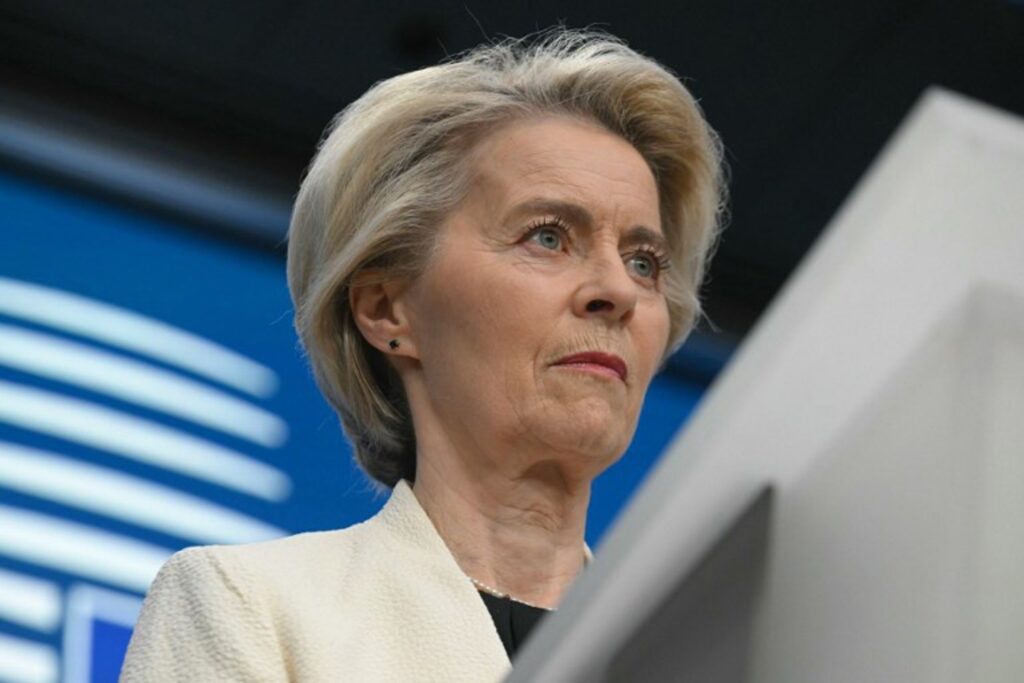
European Commission president Ursula von der Leyen said Belgium should not be the only country to carry the risks of using frozen Russian assets to back a loan for Ukraine.
Speaking after an informal EU summit in Copenhagen on Wednesday, Von der Leyen stressed that any risks linked to the plan must be shared across member states. "It is absolutely clear that Belgium cannot be the only one bearing the risks," she said.
The Commission has proposed granting Ukraine a 140 billion euro "recovery loan" backed by frozen Russian assets, most of which are held at Euroclear in Brussels.
Belgium has long raised concerns about the legal and financial dangers of such a move. Belgian Prime Minister Bart De Wever repeated his government's "legal and technical concerns" during the talks. He has also insisted that Belgium will not drop its demand that risks be pooled among all EU members.
Von der Leyen said the leaders had a "good first discussion" and confirmed that the proposal would need to be developed further.
The topic was only briefly discussed at the Copenhagen summit, which focused mainly on European defence. Leaders are expected to return to the issue at the next EU summit in Brussels on 23-24 October.
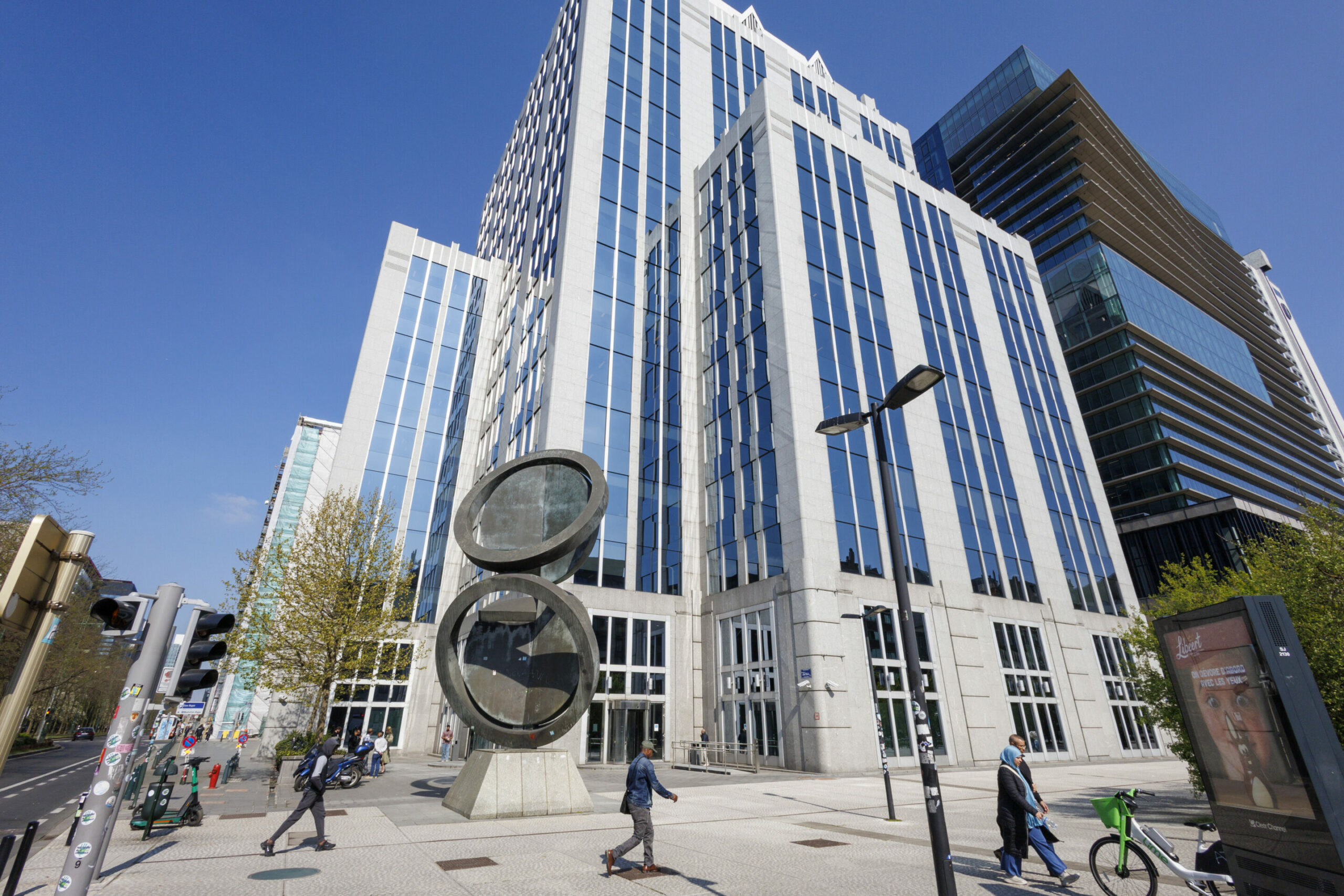
An outside view of the building of the headquarters of the Euroclear Group financial institute in Brussels, Wednesday 09 April 2025. Credit: Belga / Nicolas Maeterlinck
In parallel with a European summit in Copenhagen, a virtual meeting was held by the G7 finance ministers on Wednesday, where the plan to use frozen the Russian assets was addressed.
In a statement following the meeting, the ministers expressed their willingness to use the "full value" of Russian sovereign assets frozen in their territories to end the war in Ukraine.
In the same statement, G7 finance ministers pledged to target those who continue to increase their purchases of Russian oil despite Moscow's war in Ukraine.
Belgian concerns
Belgian Prime Minister Bart De Wever raised concerns about the Commission's plan at the end of Wednesday’s informal meeting of EU leaders in Copenhagen.
De Wever is concerned about the risks of what he sees as a “quasi-confiscation” of Russian sovereign funds.
He points out that other countries, including EU Member States, also hold Russian funds. An estimated €160 billion in Russian assets are frozen in these countries, he told an international press conference on Thursday in Copenhagen.
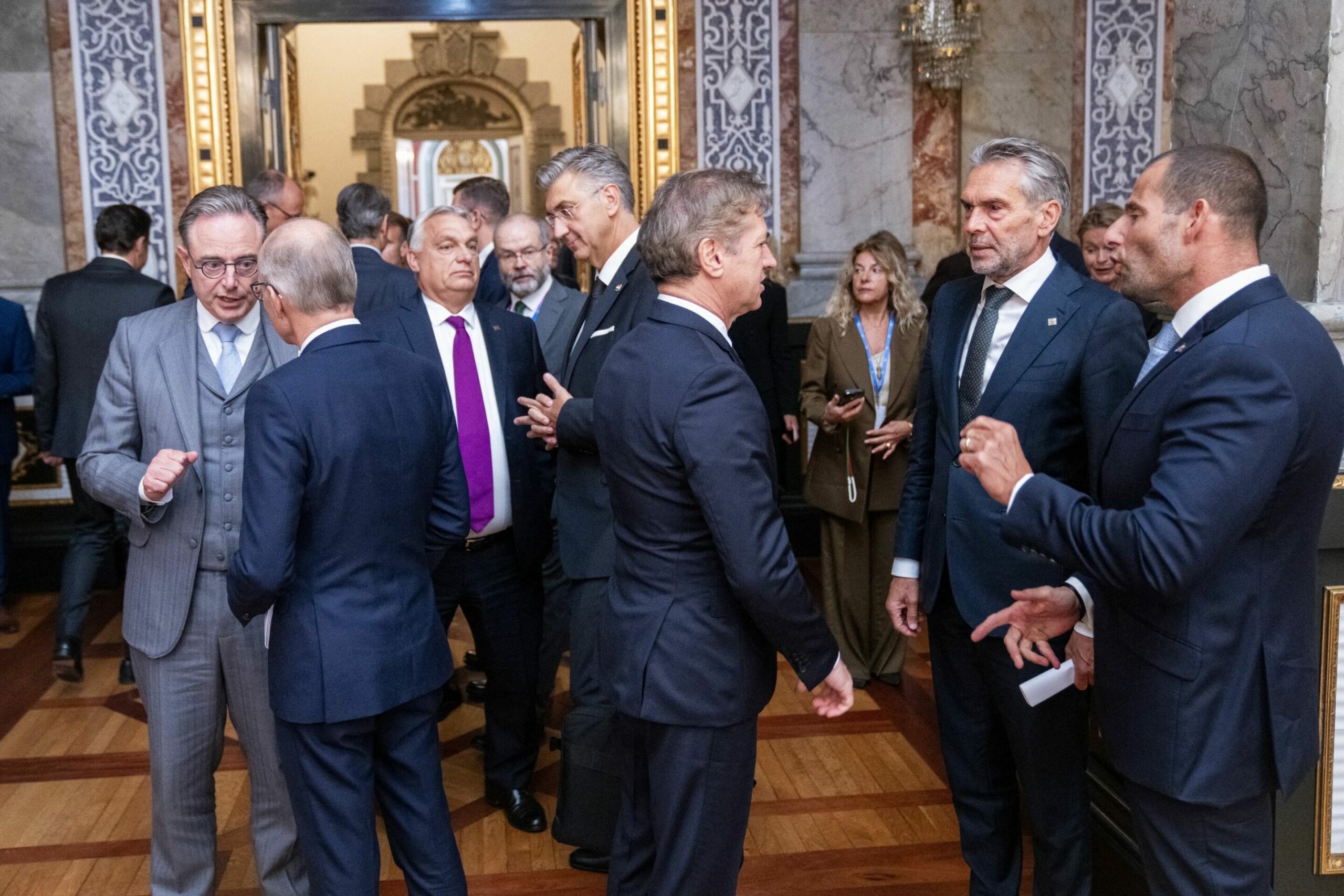
World leaders discuss frozen Russian assets in Copenhagen's informal leaders summit, Thursday 2 October 2025. Credit: Belga
“How much Russian money is there?,” he said. “What has happened to the profits so far? Are you also willing, ready and able to put them on the table?”
As the assets generate profits, Belgium collects some 1.3 billion euros a year in corporate tax, which is transferred to Ukraine. De Wever said he was outraged by allegations that Belgium was opposed to using Russian assets in order to keep these tax revenues.
