
The European Union and its 27 member states have provided more than $216 billion in financial, military, humanitarian, and refugee support to Ukraine since the start of the Russian invasion in 2022.
Figures released show that about 65% of this support has been given as grants or in-kind assistance, with the remaining 35% in the form of highly concessional loans — loans offered at below-market interest rates to make repayment easier.
Major assistance packages outlined include the commitment of up to $54 billion until 2027 under the ‘Ukraine Facility’ — a programme designed to help finance Ukraine’s reconstruction and reforms as it works towards joining the EU.
In October 2024, EU and Group of Seven (G7) partners agreed to provide $50 billion in collective aid, mainly through loans funded by revenues from Russian assets frozen by international sanctions.
The EU contribution to this package is up to $20 billion, with $10 billion already distributed in 2025.
Breakdown of key support areas
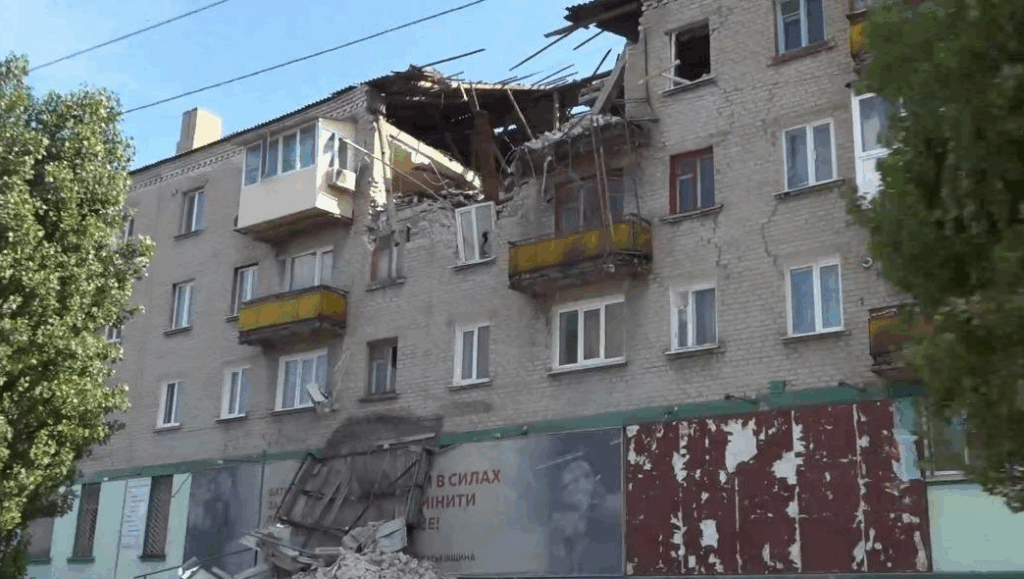
A large share of EU and European national support — close to $104 billion — has gone toward financial and budgetary assistance, as well as humanitarian and emergency help.
These funds have been used to pay Ukrainian wages and pensions, maintain public services, restore infrastructure, and rebuild schools destroyed in the war.
Military assistance totals over $70 billion, covering ammunition, air defence systems, tanks, fighter jets, and training for Ukrainian military personnel.
An EU-run military training mission has trained more than 81,000 Ukrainian soldiers.
In terms of energy support, $2.3 billion has been used to maintain Ukraine’s energy security, primarily via the Ukraine Energy Support Fund.
The EU also guaranteed $577 million for gas reserves and is providing $46 million to help Ukraine prepare for winter in 2025/2026.
Nearly $18 billion from the EU budget has gone to support Ukrainian refugees in EU countries since February 2022.
About eight million people have fled Ukraine into the EU, with more than four million registered for temporary protection, which grants access to work, healthcare, and education.
Trade and aid routes have also been bolstered.
Over $2.2 billion has supported the “EU Solidarity Lanes,” designed to help transport Ukrainian exports like grain, which has helped Ukraine ship over 196 million tonnes of goods — including 88 million tonnes of grain—to global markets during the war.
The EU statement also noted continued cooperation with the United States and other international partners on sanctions targeting Russia’s economy and efforts to reduce the bloc’s reliance on Russian fossil fuels.
