
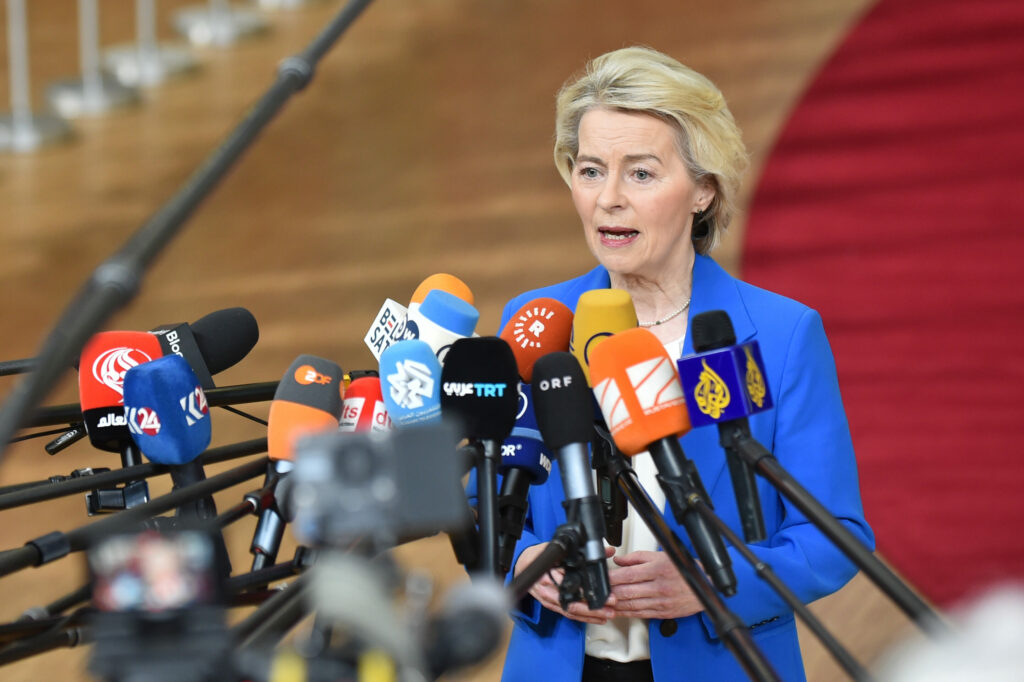
European Commission President Ursula von der Leyen backs Belgium’s call for all EU member states to share the risks of using frozen Russian assets to fund loans for Ukraine.
Ahead of the EU summit in Brussels, von der Leyen said solidarity is a fundamental principle of the European Union and fully supports Belgium’s push to distribute the financial risks.
She praised Belgian Prime Minister Bart De Wever for his dedication and efforts in identifying risks, addressing uncertainties, and seeking solutions. Von der Leyen expressed "full support for our Belgian friends."
European Council President Antonio Costa assured that European leaders will not approve a solution for financing Ukraine that does not guarantee the safety of Belgium and its citizens. His remarks were aimed pointedly at Belgian television cameras.
Costa emphasised that the summit would not conclude without a definitive decision and reiterated that no solution compromising Belgian security would be accepted.
EU leaders are tasked with finding a way to finance Ukraine, which urgently needs funds to stay afloat during its ongoing war with Russia.
The bloc has pledged €90 billion, covering roughly two-thirds of Ukraine’s financial needs for the next two years.
One proposal involves using frozen assets from Russia’s central bank.
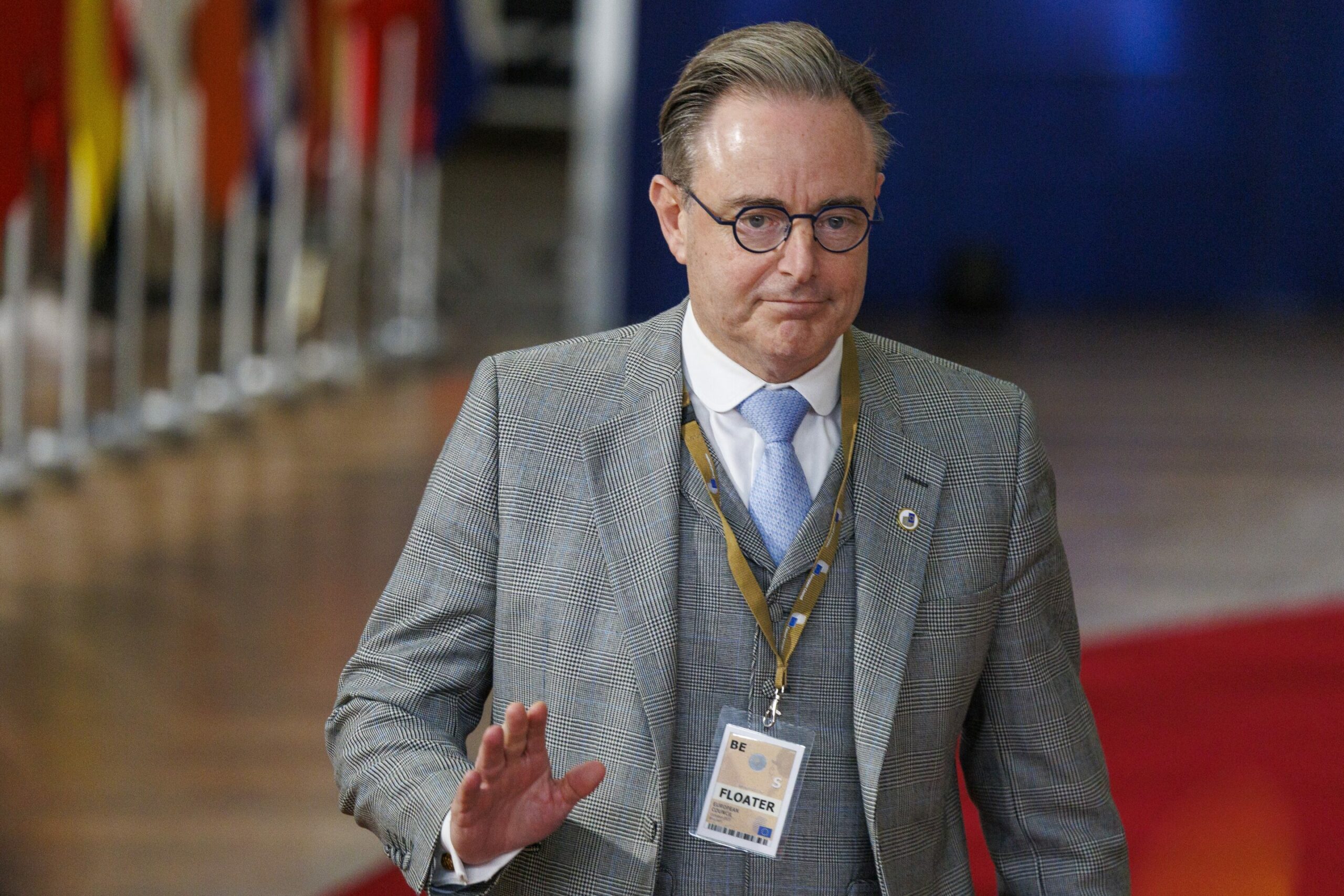
Belgian Prime Minister Bart De Wever pictured at the arrivals ahead of a European council summit (23-24/10), in Brussels, Thursday 23 October 2025. Credit: Nicolas Maeterlinck/Belga
However, Belgium has voiced concerns about significant financial and legal risks, particularly since €185 billion of these assets are held at Brussels-based Euroclear. Belgium insists that other member states should collectively shoulder these risks.
'They'll have to carry me out'
Speaking ahead of the summit, Belgian Prime Minister De Wever noted that discussions would depend on the dynamics of the meeting.
"Europe resembles Belgium in that much often happens at the last minute", he said, adding that he therefore does not know what will be on the table, and what the final Belgian position will be.
Belgium has outlined its objections over several weeks, presenting arguments that De Wever described as technically well-founded, rational, constructive, and "widely seen as reasonable".
Nevertheless, he insists on removing critical provisions, or "dealbreakers", from the proposed texts. "Otherwise, they’ll have to carry me out of the meeting," he remarked.
While the Premier expressed willingness to compromise on matters of less immediate importance, he said there was "no possibility" of doing so on points that jeopardise the financial stability of Europe and Belgium.
He remains optimistic, stating that his arguments may be strong enough to deflect the plan entirely.
Alternatively, amendments addressing Belgium’s concerns may lead to a satisfactory resolution, he suggested.
Joint debts
The European Commission wants to use the frozen Russian assets, which are mainly stored at Euroclear in Belgium, but Brussels is known to be very wary of this. It continues to advocate joint debts, but many other countries are not in favour of this.
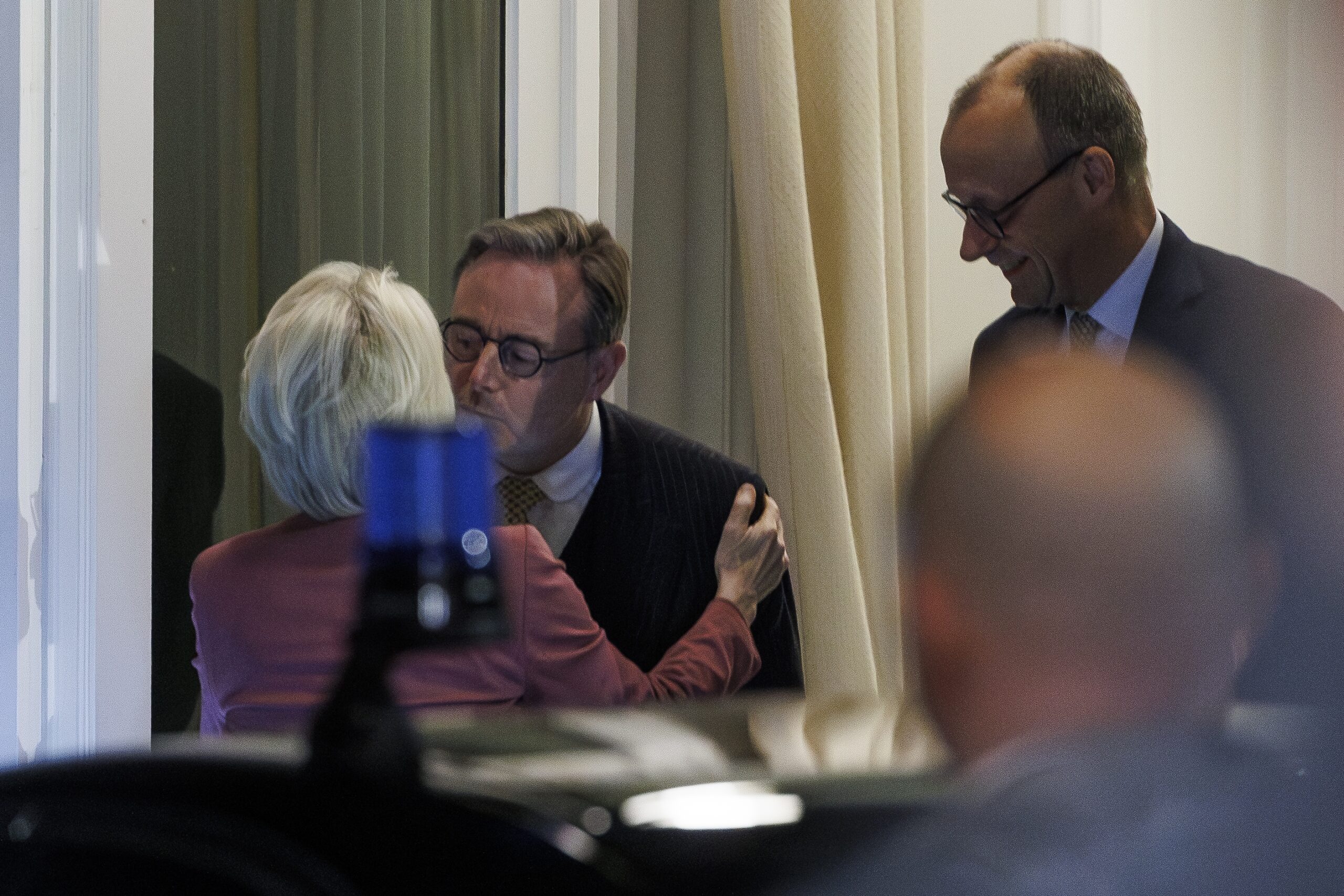
EU President Ursula von der Leyen, Prime Minister Bart De Wever and German Chancellor Friedrich Merz pictured during a meeting in Brussels, on Friday 05 December 2025. Credit: Nicolas Maeterlinck/Belga
For Belgium, a joint loan with the European budget as collateral remains the best option, possibly "with an opt-out option for certain countries" such as Hungary, which have already indicated their opposition to a loan. "That option also remains on the table."
De Wever considers it "virtually unthinkable" that the EU would opt for a loan based on the assets without Belgium's agreement, i.e. "expropriating a private company in a Member State against the will of that Member State".
"If you open a door, a lot can happen. I think everyone understands that," he said. "Theoretically, anything is possible, but it would set a dangerous precedent if they did it without us."
De Wever added that he will be relieved when everything is over. ‘If we can get everything we need to shield Belgian taxpayers from this story. And I don't think it's unthinkable that we will succeed.’
He also remains hopeful that an agreement will be reached soon, because "otherwise it will be very tight for the financing of Ukraine".
"And perhaps I should say this very clearly once again: for this country, it is absolutely certain that Ukraine must be financed."
This story was updated.
