
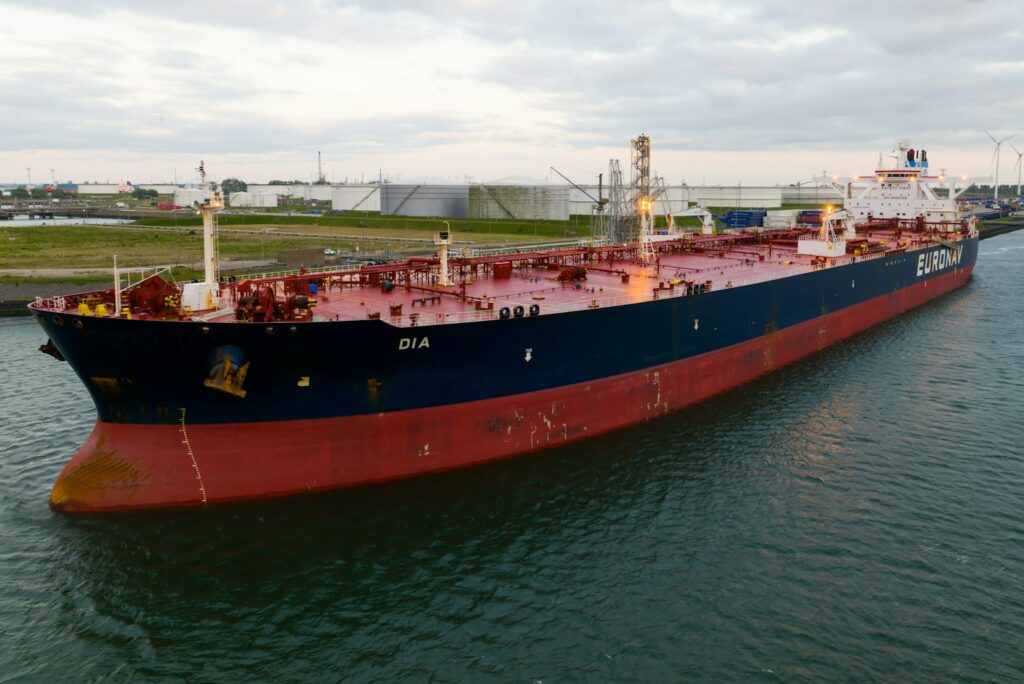
The European Union reduced its petroleum oil imports but saw a sharp rise in liquefied natural gas (LNG) shipments over the first nine months of 2025.
The average monthly value of petroleum oil imports dropped by 18.3% and volumes fell by 6.6% compared with the same period in 2024, Eurostat announced on Friday.
At the same time, the value of imported LNG rose by 36.1% while the volume was up by 25.9%.
Natural gas imported through pipelines in a gaseous state increased slightly in value, by 3.1%, but the actual volume brought into the EU decreased by 4.9%.
Key suppliers to the EU in 2025
Norway accounted for the highest share of petroleum oil imports to the EU during July to September 2025, supplying 14.6%, the figures show. The United States was close behind with 14.5%, and Kazakhstan provided 12.2%.
During the same period, the majority of LNG came from the United States, which supplied 59.9% of all EU LNG imports. Russia was the next largest source with a share of 12.7%, followed by Algeria at 7.7%.
For pipeline natural gas, Norway was again the leading partner, supplying 51.8% of the EU’s imported gas in its gaseous state. Algeria was the second-largest supplier at 14.6%, while the United Kingdom provided 13.4% of these imports.
All data refer to extra-EU imports — trade between the EU and countries outside the bloc.
