
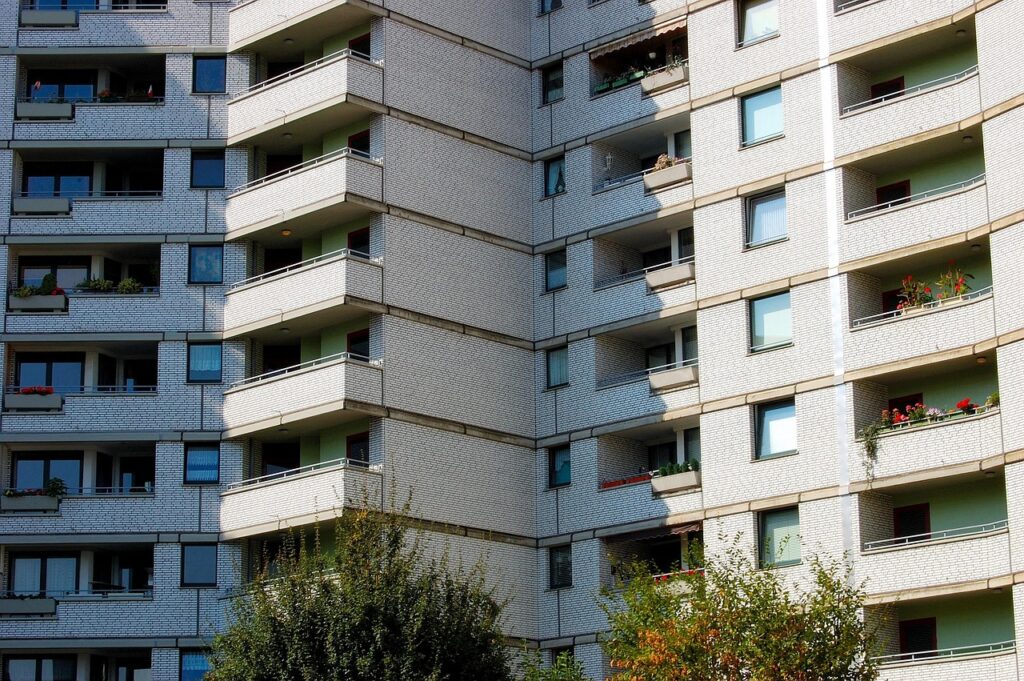
The proportion of people living in overcrowded households across the European Union has declined slightly over the past decade.
In 2024, 16.9% of EU residents lived in such conditions, compared with 18.1% in 2014, Eurostat announced on Monday.
Overcrowded households are defined as those where the number of rooms is insufficient for the number of residents, based on their age and family situation.
Country differences remain significant — more than 30% of the population lived in overcrowded housing in Romania, Latvia, Bulgaria, Poland, and Croatia.
Romania recorded the highest share, at 40.7%, followed by Latvia at 39.3%. Bulgaria, Poland, and Croatia also each saw more than one in three people in overcrowded homes.
Lowest rates in Western and Southern Europe
Some EU countries reported far lower rates: Cyprus had the lowest proportion, with only 2.4% of its population living in overcrowded accommodation, while Malta and the Netherlands saw rates of 4.4% and 4.6% respectively.
