
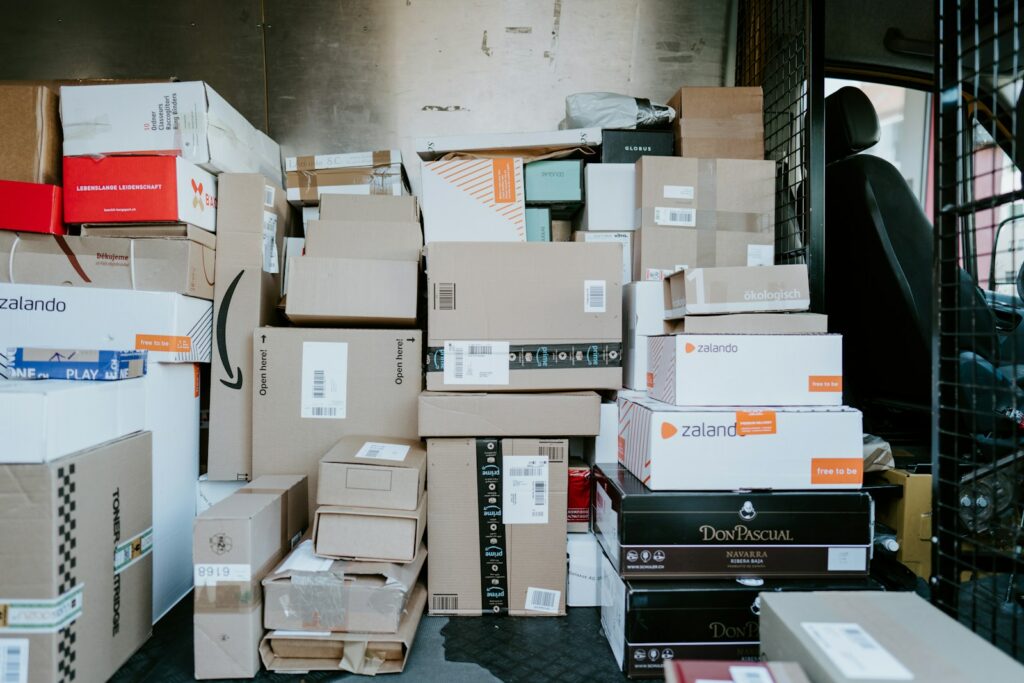
Massive EU customs control checks have found that "most third-country e-commerce goods do not follow standards and are dangerous."
The number of parcels entering the European Union from abroad continues to surge, with nearly 4.6 billion packages arriving in 2024 and a 36% jump in July 2025 compared to the previous year, the European Commission revealed in a release on Tuesday.
Customs authorities are increasingly challenged to inspect the flood of small packages arriving from global online retailers — shipments have doubled every year since 2022, the Commission informed.
Shipments now arrive at a rate of about 180 consignments per second, making up 97% of all imports.
Recent large-scale checks conducted across the EU found widespread failure to meet product safety standards among goods shipped directly to consumers.
Over half of the 20,000 toys and electronic items inspected did not comply with EU product rules. Laboratory tests showed that 84% of these items posed safety risks.
Customs officers refused entry to an average 13 items per million parcels released in 2024, but authorities warn that traditional inspection methods cannot keep pace with the rapid expansion of e-commerce-driven imports. Control measures have increased, but the sheer volume of shipments continues to outstrip current capacities.
Rule change targets small parcels
The Commission confirmed that member states have agreed to end the exemption from customs duties for parcels valued under €150, replacing it with a standard €3 customs duty per item beginning 1 July 2026.
This move is intended to ensure that online purchases face similar regulation to those bought from traditional EU retailers.
Under new customs rules announced in the statement, online marketplaces and sellers will become responsible for the customs compliance, safety and payment of taxes for goods shipped to the EU, shifting the responsibility away from individual consumers and delivery firms.
The changes are designed to keep dangerous products out of the single market and reassure shoppers that taxes and duties have been paid on their purchases.
Customs authorities will continue to cooperate closely with national product safety agencies to enforce compliance and protect consumers, the Commission vowed.
