
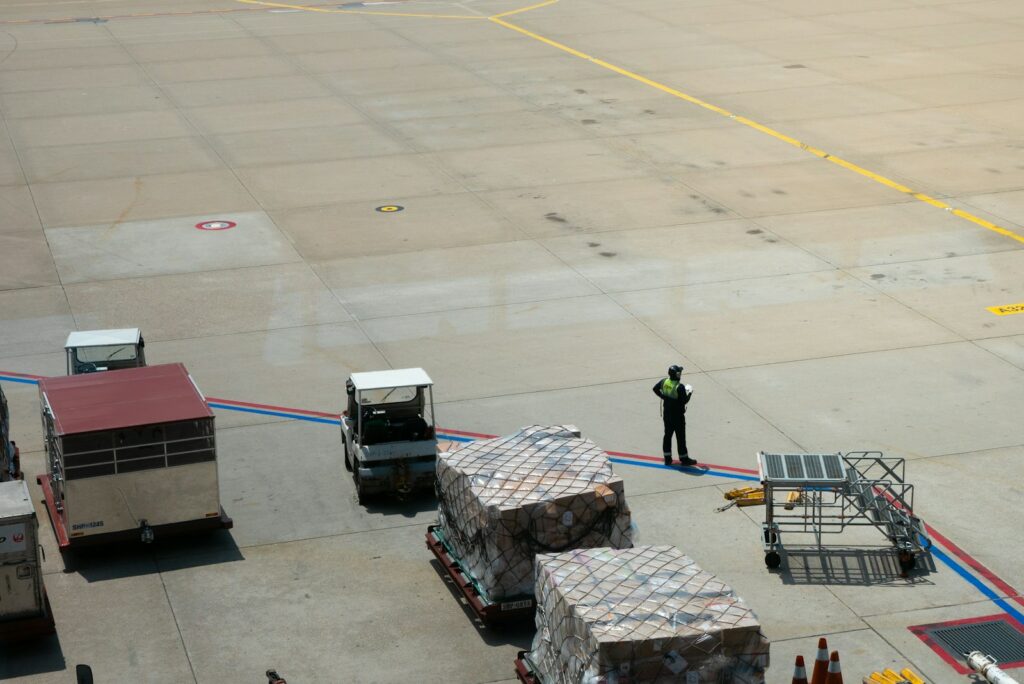
Customs authorities across the European Union are handling a rapidly growing volume of online purchases arriving from outside the bloc, with many of the parcels containing unsafe goods.
The number of small parcels sent into the EU has doubled every year since 2022, reaching 4.6 billion packages in 2024, the European Commission said in a release on Wednesday.
In July 2025, shipments were still up 36% compared to the previous year. Nearly 180 direct online shipments are imported into the EU every second.
Customs play a central role at the EU’s borders — ensuring only safe products reach consumers and fair competition is maintained in the single market.
Once goods enter the EU, national market surveillance authorities, such as consumer product safety agencies and chemical regulators, monitor compliance with European product safety laws.
Customs authorities are now managing an unprecedented increase in small parcels, largely due to the expansion of global e-commerce.
A recent large-scale EU customs control operation in cooperation with market surveillance authorities found that the majority of goods shipped directly to EU consumers from third countries fail to meet EU product safety standards.
Of 20,000 toys and small electronic items checked, over half did not comply with EU rules. Laboratory tests of a subset of these products showed that 84% were potentially dangerous.
Reform ahead as e-commerce floods EU borders
Customs controls on product compliance have increased every year, with more products being stopped or refused entry due to safety concerns, the Commission said.
In 2024, customs authorities across the EU refused an average of 13 items per million products released because of non-compliance or serious risks.
However, the rapid increase in small consignments — which made up 97% of all shipments in 2025 — is outpacing the ability of traditional control methods to keep up.
To address these challenges, EU member states have agreed to end the exemption from customs duties on parcels below 150 euros.
From 1 July 2026, all items will face a single customs duty of 3 euros each.
Under the EU Customs Reform, online platforms and sellers — rather than individual consumers or carriers — will become responsible for ensuring products sold online comply with all customs rules and standards.
The reform is intended to guarantee that taxes, duties, and safety requirements for online purchases are met when entering the EU.
