
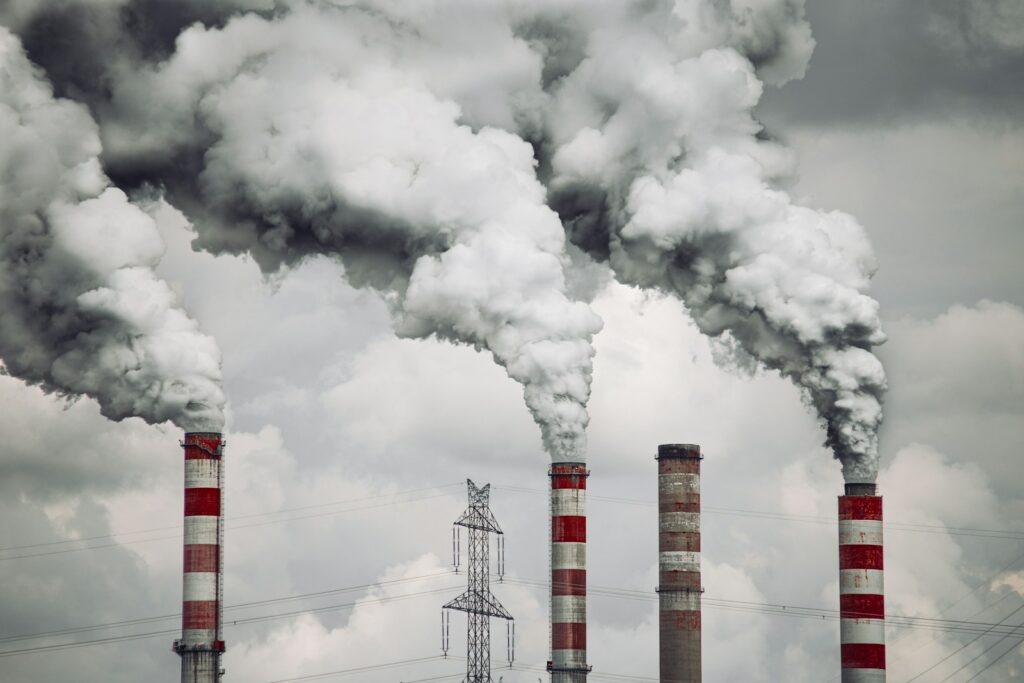
EU countries have been told they must move faster to hit the bloc’s pollution reduction targets by 2030, after a mid-term review found that progress is uneven and some forms of pollution are worsening.
Cutting pollution brings immediate health benefits, including fewer cases of asthma, heart disease and mental illness, the European Commission said in a statement on Thursday.
The review says pollution prevention should be treated as public health policy as well as environmental policy, because air, water, soil and noise pollution are all linked to health outcomes, it added.
It also points to economic and social gains cited in the report, including higher productivity and improved agricultural yields in places where pollution reduction measures are being taken.
Jessika Roswall, the Commissioner for Environment, Water Resilience and Competitive Circular Economy, said existing EU laws on pollution “are already delivering real benefits” but called for more decisive action “for all Europeans.”
Where progress is on track — and where it is not
Air pollution, pesticide use, antimicrobial sales and plastic pollution at sea have fallen significantly, but pollution of waters, waste and microplastics is either stable or worsening, the review found.
PFAS — often called “forever chemicals” because they persist in the environment — were flagged as a growing public concern, alongside references to Commission work examining the societal costs of PFAS pollution.
Noise pollution was also singled out, with the EU not on track to meet its target of cutting the number of people affected by transport noise by 30% by 2030.
The review says that legislation alone will not deliver the 2030 goals, and calls for stronger enforcement and implementation alongside continued investment in innovation, digitalisation and skills, according to the Commission’s mid-term update on the Zero Pollution Action Plan.
