
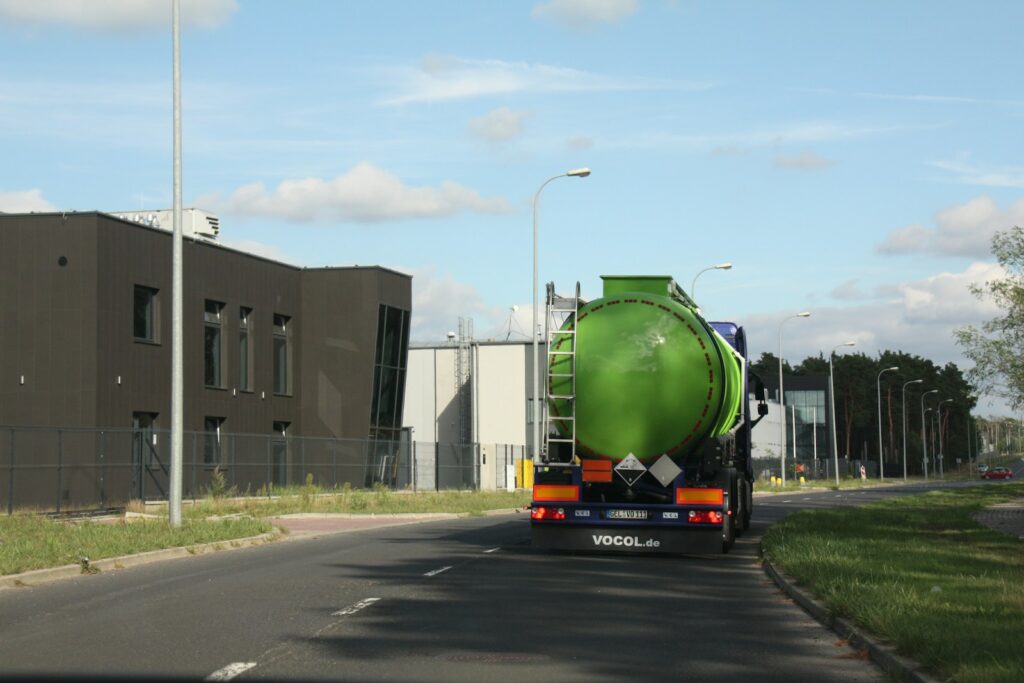
A new EU report says scaling up advanced biofuels could help cut transport emissions, but would require up to €8 billion in public support to build production plants and secure feedstock supplies.
The report says advanced biofuels — made from non-food materials such as certain wastes and residues — can be produced sustainably within the EU without relying on imported technologies or feedstock, the European Commission said in a statement on Tuesday.
It estimates annual financial support of between €3.8 billion and €7.5 billion by 2030 to build industrial plants for biofuel production, based on modelling of industrial value-chain business cases in the report.
A further €700 million to €1.25 billion a year would be needed by 2030 in direct payments to farmers and aggregators to supply the necessary feedstock, with higher levels projected for deployment towards 2040.
Mix of fuels and policy alignment
Meeting EU targets for 2030–2040 will require a portfolio of complementary solutions rather than a single technology, with a diverse mix needed to use the full range of eligible feedstocks and produce different types of fuels, the report said.
The report says support would be needed to bridge the gap between the “Levelised Cost of Production” (an estimate of the average cost to produce a fuel over a plant’s lifetime) for advanced biofuels and the market price of fossil fuels.
Existing EU funding tools could be used to encourage investment, including InvestEU, the Connecting Europe Facility, the European Regional Development Fund, and funding streams under the Common Agricultural Policy.
The report also calls for administrative measures alongside funding, including closer alignment between the Common Agricultural Policy and the Renewable Energy Directive, as well as improvements to registries and sustainability certification systems.
It follows an earlier publication on the same topic and was recently presented at a European Parliament event on transport decarbonisation.
