
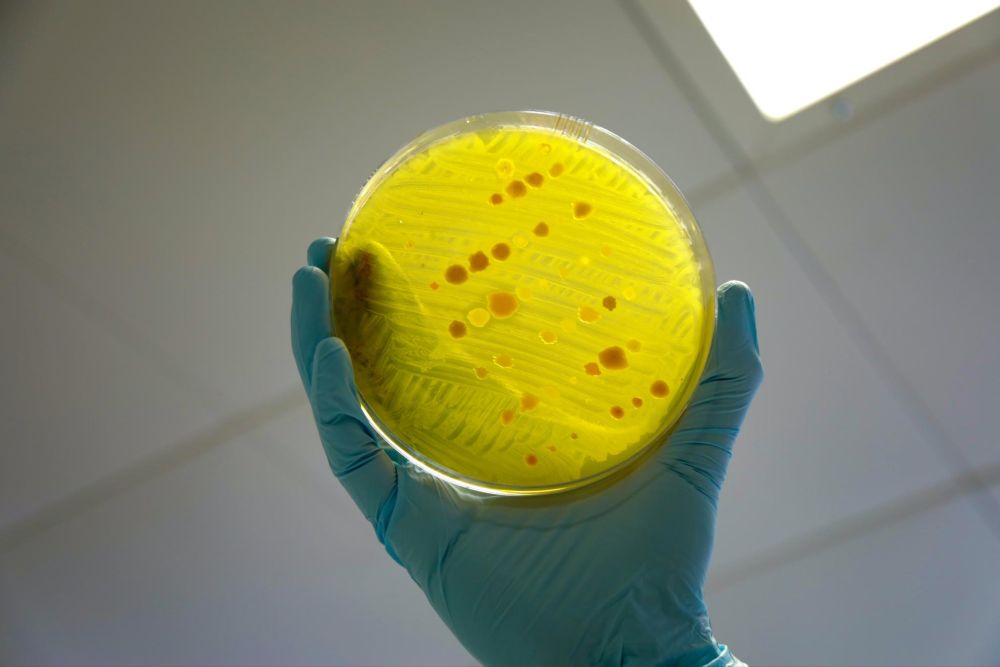
Antibiotic-resistant bacteria and hundreds of previously unreported antibiotic resistance genes have been detected in sewage linked to two hospitals in Norway, including in treated wastewater.
Antimicrobial resistance (AMR) happens when microorganisms such as bacteria evolve so medicines like antibiotics no longer work against them, the European Commission pointed out in a press release on Thursday.
AMR is responsible for more than 35,000 deaths each year in the EU, it added, citing EU figures.
The research summarised by the Science for Environment Policy service examined whether untreated hospital sewage could contribute to AMR in the environment, using Norway as a case study — a country described in the summary as having comparatively low antibiotic use and low AMR levels in clinics.
The study also focused on carbapenems, a class of antibiotics used as a last resort when infections resist several other drugs.
Researchers collected 24-hour sewage samples from both raw and treated flows at Holen, Norway’s second-largest wastewater treatment plant, which receives sewage from two hospitals, and also took samples directly from a sewer line at Haukeland University Hospital.
The samples were analysed for pathogens, antibiotics and antibiotic resistance genes — genetic material that can help microbes survive antibiotic treatment.
Resistant bacteria found in treated effluent
Across the samples, researchers detected 28 bacterial families and found antibiotic-resistant strains of E. coli, which can cause stomach infections, and Klebsiella species, linked to illnesses including pneumonia, blood poisoning and meningitis, the summary said.
These resistant strains were found in both untreated hospital sewage and treated effluent.
Using genetic analysis, the researchers identified 1,130 unique antibiotic resistance genes, including genes associated with resistance to carbapenems, according to the summary.
It said 349 of the genes were described as “novel” — previously unknown — and had emerged through evolutionary processes.
The study also found 40 antibiotic resistance genes present in all three sample types: untreated hospital sewage, untreated sewage entering the treatment plant, and treated sewage.
When comparing hospital sewage and treated effluent, an additional 14 genes were found in both, bringing the total shared across those two to 54.
The Science for Environment Policy summary noted that an updated EU directive on urban wastewater treatment adopted in 2024 requires member states to monitor wastewater for AMR.
The study was published in "Ecotoxicology and Environmental Safety," the Commission said, citing the paper by Victor and colleagues (2025).
