
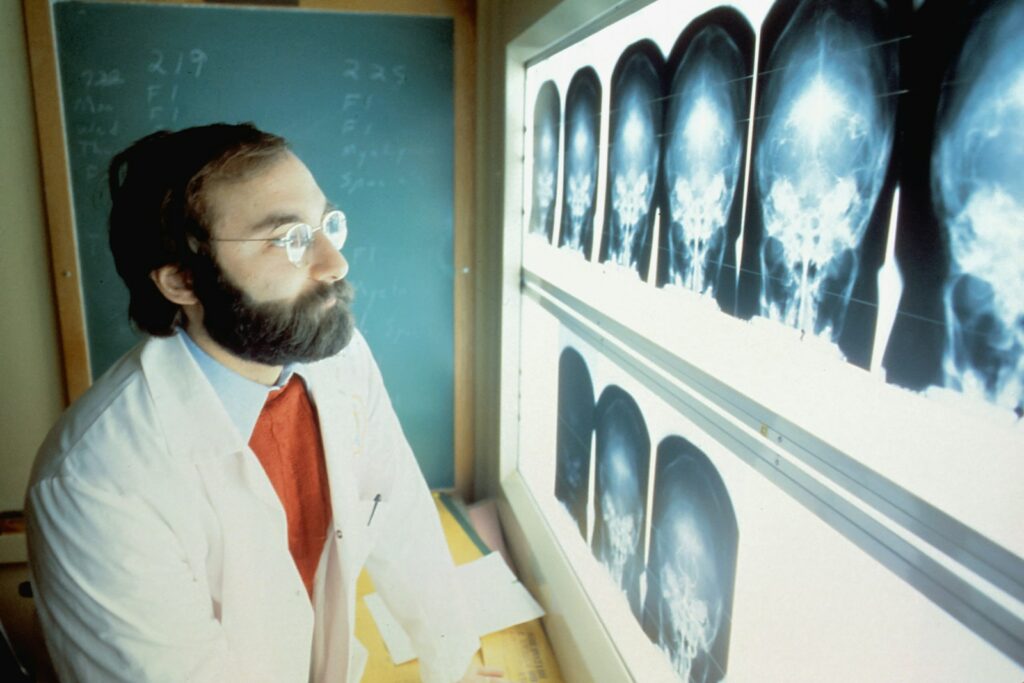
The European Commission has adopted a recommendation setting out how EU countries should establish, review and use “diagnostic reference levels” to help manage patient radiation doses in common medical imaging and interventional radiology procedures.
The recommendation — listed as Euratom/2026/403 — builds on the EU’s Basic Safety Standards Directive (2013/59/Euratom) and describes methods and good practices for running a national system that sets and periodically re-evaluates these reference levels for widely used diagnostic and therapy-guiding techniques involving ionising radiation, the Commission said on Wednesday.
Diagnostic reference levels, or DRLs, are benchmark dose levels used to compare radiation doses for common examinations by collecting data from hospitals, analysing it statistically and setting values that can help identify departments where doses are unusually high.
Hospitals flagged through this process can then take steps to reduce doses, lowering the risk of secondary cancers or injuries linked to excessive radiation exposure in patients.
Part of the SAMIRA health radiation plan
The work sits under the SAMIRA Action Plan — the Strategic Agenda for Medical Ionising Radiation Applications — which the Commission describes as the EU’s first initiative aimed at supporting safe, high-quality and reliable use of radiological and nuclear technology in healthcare.
SAMIRA sets out EU actions in three areas: securing the supply of medical radioisotopes, improving radiation safety and quality in medicine, and supporting innovation and technological development in medical ionising radiation applications.
The Commission said SAMIRA is supported by a Steering Group on Quality and Safety of medical applications of ionising radiation, which brings together representatives of EU health and radiation protection authorities.
A position paper agreed by that steering group in 2024 served as the basis for the recommendation that has now been adopted.
