Foreign ministers from the EU and the Gulf Cooperation Council met in an extraordinary session on 5 March 2026 to discuss escalating tensions in the Middle East and what they described as Iranian attacks on GCC countries.
The GCC delegation was led by Bahrain’s foreign minister Abdullatif bin Rashid Al Zayani, in his role as chair of the GCC Ministerial Council, alongside GCC Secretary-General Jassim Mohammed Al-Budaiwi and foreign ministers from GCC member states, the EU and the GCC informed in a joint statement.
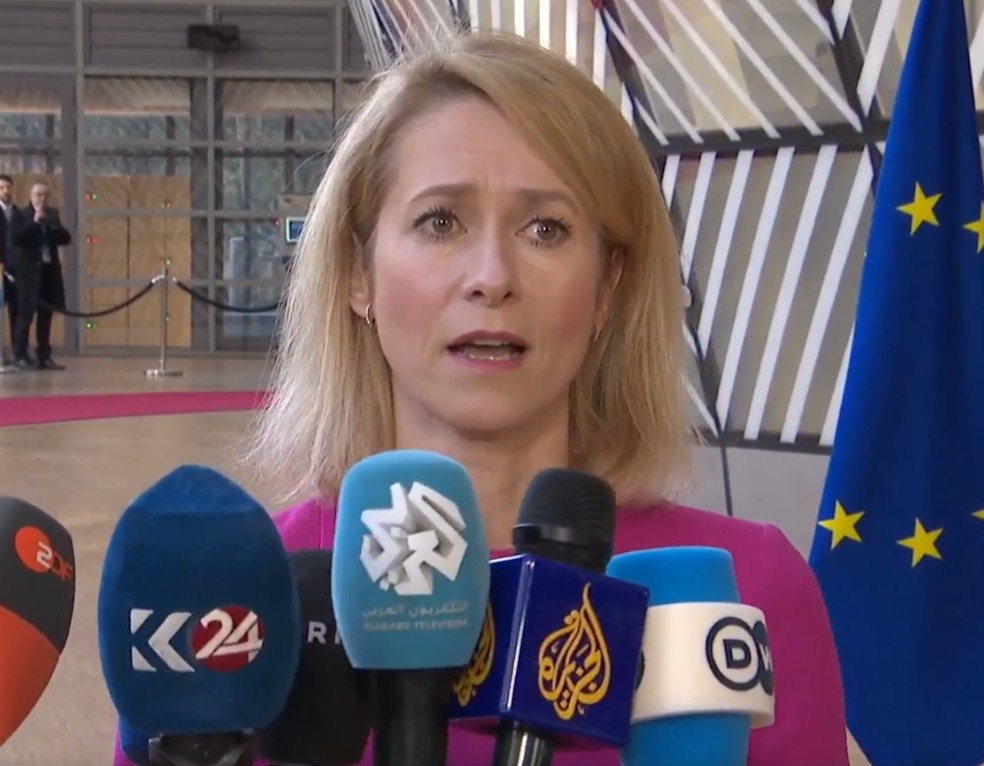
The EU side was led by Kaja Kallas, the EU’s High Representative for Foreign Affairs and Security Policy and a Vice-President of the European Commission, with the participation of Commissioner Dubravka Šuica and foreign ministers from EU member states.
Ministers “strongly condemned” what they called “unjustifiable” Iranian attacks against GCC countries and called on Iran to stop them immediately.
The EU reaffirmed its solidarity with GCC countries.
Ministers said the attacks caused “significant damage” and targeted civilian infrastructure including oil facilities, service facilities and residential areas, resulting in material damage and threatening civilian safety.
Calls for diplomacy and protection of shipping routes
Ministers reiterated a commitment to regional stability and called for the protection of civilians and respect for international law and international humanitarian law, the statement said.
They also reaffirmed “dialogue and diplomacy” as a way to resolve the crisis and praised Oman’s role.
The ministers referenced Article 51 of the UN Charter — which covers a state’s right to self-defence — saying GCC states have the right to defend themselves individually and collectively, and called on the UN Security Council to help restore and maintain international peace and security.
They agreed to pursue joint diplomatic efforts aimed at preventing Iran from acquiring a nuclear weapon and to seek an end to the production and spread of ballistic missiles and unmanned aerial vehicles that they said threaten the region and beyond.
Ministers also stressed the need to safeguard maritime routes and freedom of navigation, including in the Strait of Hormuz and Bab-el-Mandeb, as well as airspace and supply chains.
The statement cited EU maritime operations ASPIDES and ATALANTA, describing them as defensive missions to protect key waterways and reduce disruption to supply chains, and encouraged coordination to support the operations.
The EU thanked GCC states for support provided to EU nationals and said it would continue efforts to enable the safe departure of its citizens in cooperation with GCC countries.
