
The European Union increased its defence investment to record levels, continued backing Ukraine and pushed measures to strengthen competitiveness and the single market in 2025.
Defence and security dominated the agenda as the EU took “more responsibility for its own security” amid a more “volatile and fragmented” world, according to the European Commission’s General report on the activities of the EU in 2025.
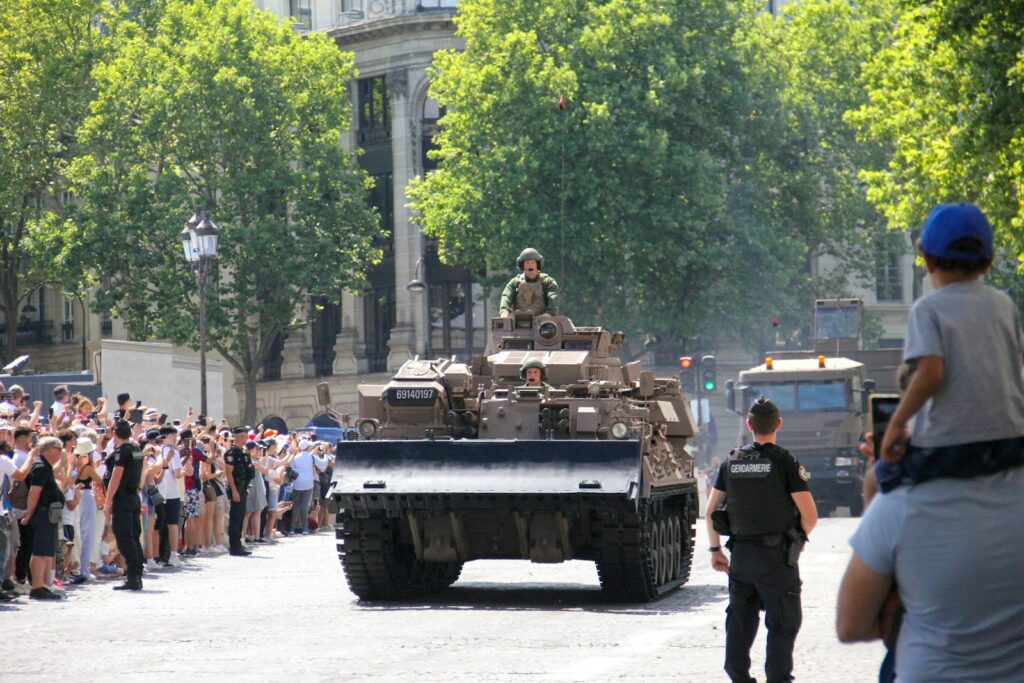
The Commission pointed out it launched the Readiness 2030 package, describing it as the biggest surge in European defence investment in the EU’s history.
The EU also set out a Preparedness Union Strategy, which the Commission said was designed to boost readiness for crises.
Support for Ukraine remained a central focus, with the EU and its member states providing political, financial, humanitarian and military backing.
The EU and its member states had provided €193.3 billion since the start of Russia’s war against Ukraine by the end of 2025, the Commission said, adding that sanctions were imposed to limit Russia’s ability to finance the war.
Competitiveness and the single market
The report says the EU worked to strengthen its industrial base, accelerate clean and digital transitions and deepen the single market — the EU’s system for allowing goods, services, money and people to move more freely across member states.
A “Competitiveness Compass” and a “Clean Industrial Deal” guided efforts to close the innovation gap, reduce dependencies and align climate goals with economic growth, the Commission said.
The Commission also proposed a single market strategy intended to make it easier to do business in the EU, alongside initiatives to cut red tape, modernise taxation and support fair competition.
Other actions listed in the report include work on farming and food security, the launch of the Choose Europe campaign to attract researchers, and continued humanitarian relief efforts, it added.
The EU marked the 75th anniversary of the Schuman Declaration in 2025, the Commission said, referring to the 1950 proposal that led to the European Coal and Steel Community — the forerunner of today’s EU.
