
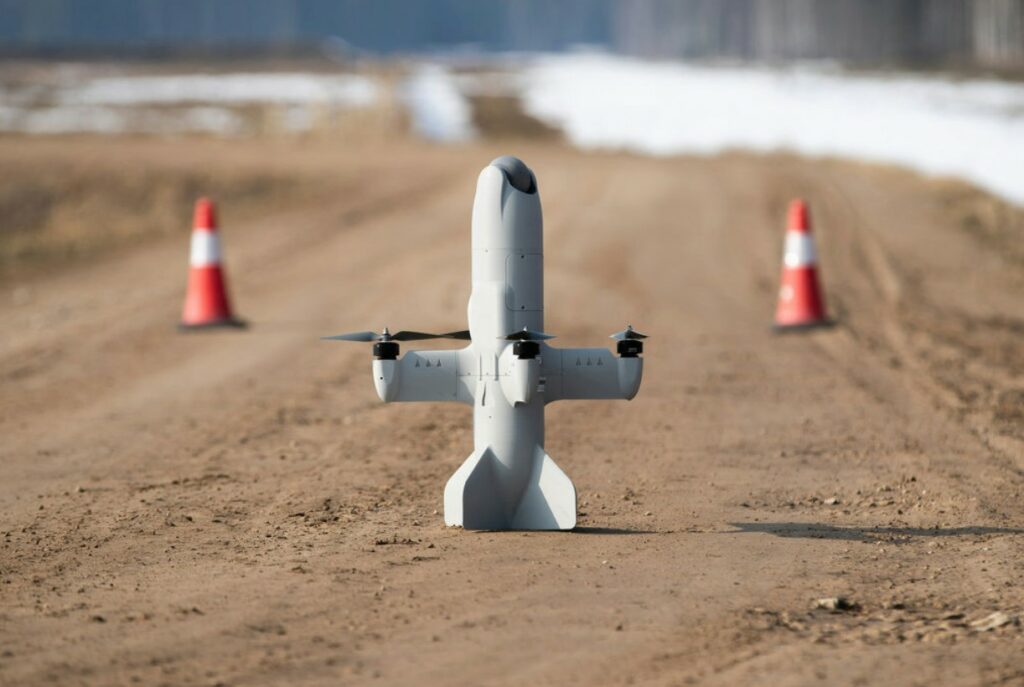
NATO has begun its first counter-drone technology testing campaign at a new innovation range in Latvia, running from 9 to 13 March.
The trials took place at the Sēlija Military Training Area and covered Unmanned Aircraft Systems (UAS) — drones — and Counter-UAS (C-UAS) technologies designed to detect or stop them, the NATO press service informed.
Defence industry firms from NATO member countries and Ukraine joined operational users and government representatives at the site for what NATO described as the first in a series of Testing, Evaluation, Verification and Validation activities planned for 2026.
NATO said the range can support high-speed and high-altitude interceptor flights, as well as tests of electronic warfare systems — technologies that can disrupt or interfere with communications and sensors — in an open environment.
Part of a wider NATO pilot programme
The Latvia facility is one of five pilot NATO Innovation Ranges set up under NATO’s Rapid Adoption Action Plan, the alliance said.
The others include a cyber testbed range in Estonia, a future connectivity range co-led by Finland and Sweden, an underwater environment range in Italy, and a shallow waters range in the Netherlands.
The next testing and evaluation activity linked to the Latvia range is due to take place alongside the International Drone Summit in Riga on 27 May.
