With Thursday's vote in the European Parliament – and European conservatives breaking the cordon sanitaire to support a far-right EU return policy – many in Europe are waking up to the new threat that is ready to consolidate its power.
Our migration policies – in the United States, in Europe, around the world – are changing as never before, sometimes on a daily basis. But what's driving these changes isn't a changed reality on the ground – in conflict zones, at borders or local communities. What's changing is a political movement taking aim at our democracies.
As an American migration researcher living in Europe and studying its impact on both sides of the Atlantic, I am shocked that European politicians, civil society and the media are not aware of its power – Trumpification.
Europe has long talked about the threat of 'Orbánisation' – where populists manipulate public stereotypes about migration in order to deftly consolidate their own power, enrich their cronies and undermine the opposition, judiciary and supranational institutions.
What's different with Trumpification is the question of power. It's one thing for European politicians to stand up to their own homegrown populists, led by one or two petty tyrants. It's another thing entirely for the President of the Free World to be led by White Christian nationalists and for the former democratic superpower to impose an extreme-right migration policy not only on America, but the rest of the world.
This shift in the world order is coming for Europe through an attack on its migration policies and institutions.
The Trumpification of migration policies is a neo-imperial project of regime change. This is not a question of public opinion. When researchers ask citizens directly about migration policies, their views on migration are far more nuanced than politicians or the press might expect.
The danger lies in the growing gap between a nuanced public opinion and elite electoral strategies that present populism as inevitable and emergencies as permanent.
This way, the Trumpification of migration policies is used to discredit democracies governed by the rule of law and replace them with a permanent state of emergency, unchecked executive power and the threat of state violence, in order to coerce and force obedience from both migrants and citizens and from all other states and actors in the international system.
This project, through policies like the EU return regulation, is not about empty rhetoric, but building infrastructure.
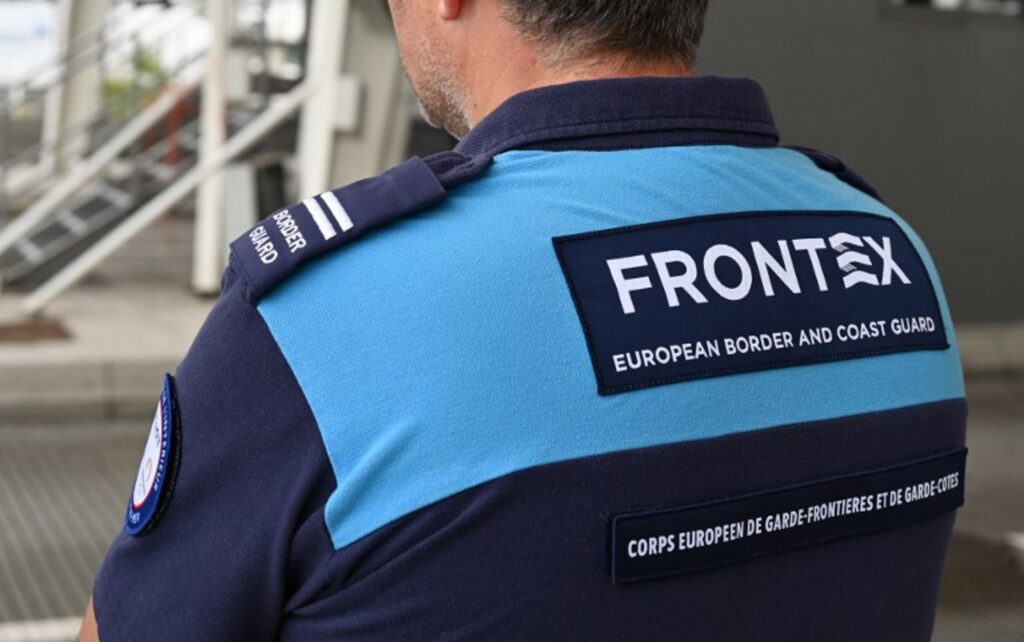
We are moving from laws and procedures to total closure, with the militarisation of migration policy: emergency declarations, paramilitary groups, economic warfare and massive defence-like spending, with major risks of corruption and authoritarian power-grabs. Protection is turned into criminalisation. Externalisation evolves into incarceration.
We have started to see our first deaths from "reverse migration", as people are paying smugglers and dying to try to get out of Panama's "return hubs".
It would be a mistake to assume that Europe is immune because its national and European institutions are stronger. We in Europe may not reach the same level of violence and militarisation as Trump's America. But the risk of Trumpification continues to grow. An extreme-right takeover in key EU Member States is a clear threat in today’s Europe and an explicit goal of Trump’s security strategy.
And our migration laws are fragile, discretionary, and open to manipulation. EU migration policies like the proposed return regulation are introducing new procedures, exceptions, funds and tools that can be weaponised by Europe’s little Trumps-in-waiting.
In the end, everything will depend on the strength of our democratic institutions and the rule of law. Our migration policies are both a harbinger and a vehicle for democratic decline – what happens first to foreigners will also eventually happen to all of us as citizens.
Thomas Huddleston is a lecturer at the University of Liège and a widely recognised independent migration researcher.
